
Support the MERCY Act
Protect immigrant children with serious health conditions.
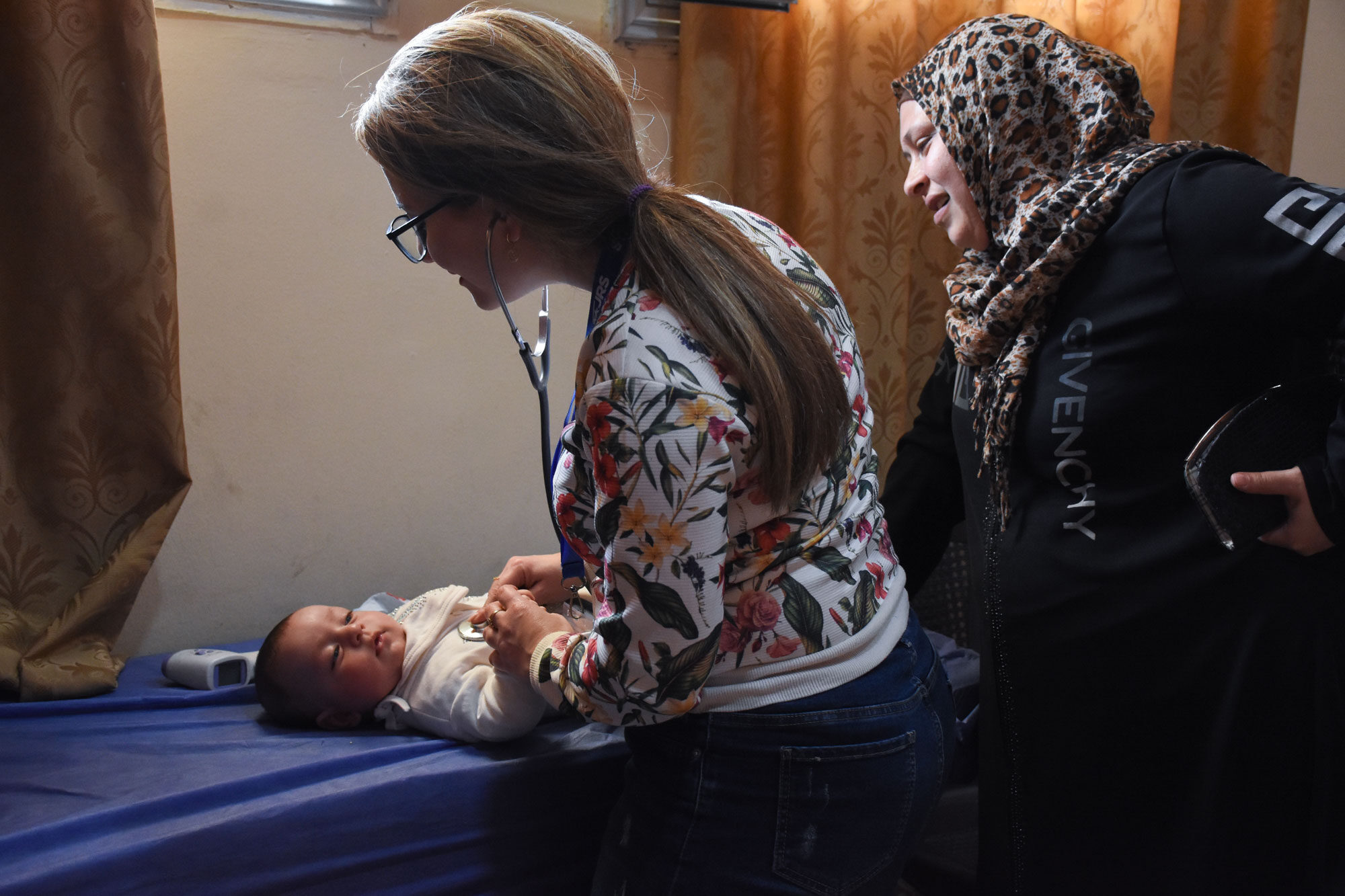
Congress will soon consider the Maintaining Essential Recovery and Care for Youth (MERCY) Act as an amendment to the Fiscal Year 2027 National Defense Authorization Act (NDAA). This amendment would provide deferred action for medically fragile children and up to two qualifying caregivers, allowing families to remain together while children receive essential medical treatment.
At a time when many immigrant families with serious medical needs face the risk of deportation, Congress has the power to provide humanitarian protection for some of the most vulnerable children in the United States right now. By supporting the MERCY Act amendment, members of the House and Senate can demonstrate Congress’s bipartisan commitment to protecting vulnerable children, preserving family unity, and ensuring that families facing extraordinary medical challenges are treated with compassion and dignity.
How the MERCY Act Helps Children and Families
The MERCY Act would help protect medically fragile children by allowing them and up to two qualifying caregivers to remain together in the United States while the child receives essential medical care. This protection is especially important for children whose treatment could be interrupted by deportation or family separation.
- Protects children with serious medical conditions from interruptions in life-saving care.
- Preserves family unity by allowing qualifying caregivers to remain with the child.
- Provides temporary deferred action for an initial two-year period, with the possibility of renewal.
- Reflects humanitarian and faith-based values rooted in dignity, compassion, and care for children and families.
Jesuit Refugee Service/USA urges advocates to contact their Members of Congress and:
- Ask their Representatives to join as an original co-sponsor of the MERCY Act by 4:00 p.m. on Monday, June 26, by contacting Kathleen Bush-Joseph at Kathleen.bush-joseph@mail.house.gov in Representative Delia Ramirez’s office; and
- Urge their Representatives and Senators to vote for the MERCY Act amendment when it comes before Congress this July. This is Amendment 109 in the House of Representatives.
Why JRS/USA Supports the MERCY Act
JRS/USA supports the MERCY Act because it protects the dignity, well-being, and lives of already vulnerable children and helps keep families together while children receive life-saving medical care. Consistent with JRS/USA’s mission to accompany, serve, and advocate for refugees and other forcibly displaced people and the principles of Catholic Social Teaching, the MERCY Act ensures that medically fragile children are not forced to end or interrupt essential treatment due to deportation.
Why This Matters for People of Faith
The MERCY Act matters for people of faith because it reflects a moral commitment to the dignity of every person, especially medically fragile children and their caregivers. It helps ensure that families can remain together while children receive essential medical care, rather than being deprived of lifesaving treatment or forced to choose between treatment and separation.
For many faith traditions, this aligns with the call to welcome and care for the vulnerable, stand in solidarity with those who are suffering, and protect family unity. It also reflects a broader sense of shared responsibility for the well-being of others and the belief that society should create conditions where all people can thrive with safety, dignity, and compassion.
Take Action
Please contact your Members of Congress today and urge them to support the MERCY Act. Their support will demonstrate congressional commitment to protecting medically fragile children and ensuring that families can remain together while children receive essential medical care at a critical time.
Thank Your Members If They Have Co-Sponsored
If your Members of Congress are already leaders or co-sponsors of this amendment, please thank them.
FAQs
What is deferred action?
Deferred action is an exercise of prosecutorial discretion that allows individuals to live and work in the U.S. temporarily without immigration enforcement action, such as deportation, during that period.
What is the MERCY Act?
The Maintaining Essential Recovery and Care for Youth Act, also known as the MERCY Act, would grant medically fragile children in the U.S. deferred action for an initial period of two years, along with up to two qualifying caregivers.
To qualify for deferred action under the MERCY Act, a licensed physician must certify that the child meets the eligibility criteria. Following the initial two-year period, deferred action may be renewed in additional two-year increments for individuals who continue to qualify.
What qualifies a child as “medically fragile”?
According to the MERCY Act, a “medically fragile child” is defined as an individual under 21 years of age who has been diagnosed by a qualified physician with a serious medical condition for which an interruption in ongoing medical care or removal from the United States would likely result in death, severe or permanent disability, or a significant deterioration in the child’s condition.
Examples of serious medical conditions that may qualify a child as “medically fragile” under the MERCY Act include pediatric cancer requiring ongoing treatment, end-stage renal disease requiring dialysis, congenital heart conditions, and organ transplant status requiring ongoing immunosuppressive therapy and medical management.
Related Resources
Learn more about JRS/USA’s mission, explore ways to get involved, and support our work with refugees and displaced people around the world.
Get Involved
Join JRS/USA in accompanying, serving, and advocating for refugees and other forcibly displaced people.
Human Dignity
Learn how Catholic Social Teaching affirms the inherent dignity of every person and shapes JRS/USA’s mission.
Donate
Your gift helps JRS/USA support refugees and displaced people through education, emergency assistance, mental health services, and advocacy.