Jesuit Refugee Service (JRS) accompanies, serves, and advocates for refugees and forcibly displaced people around the world.
Through education, mental health and psychosocial support, emergency assistance, livelihoods, reconciliation, and advocacy, JRS works alongside displaced communities as they rebuild their lives with dignity, hope, and opportunity.
How JRS Makes an Impact
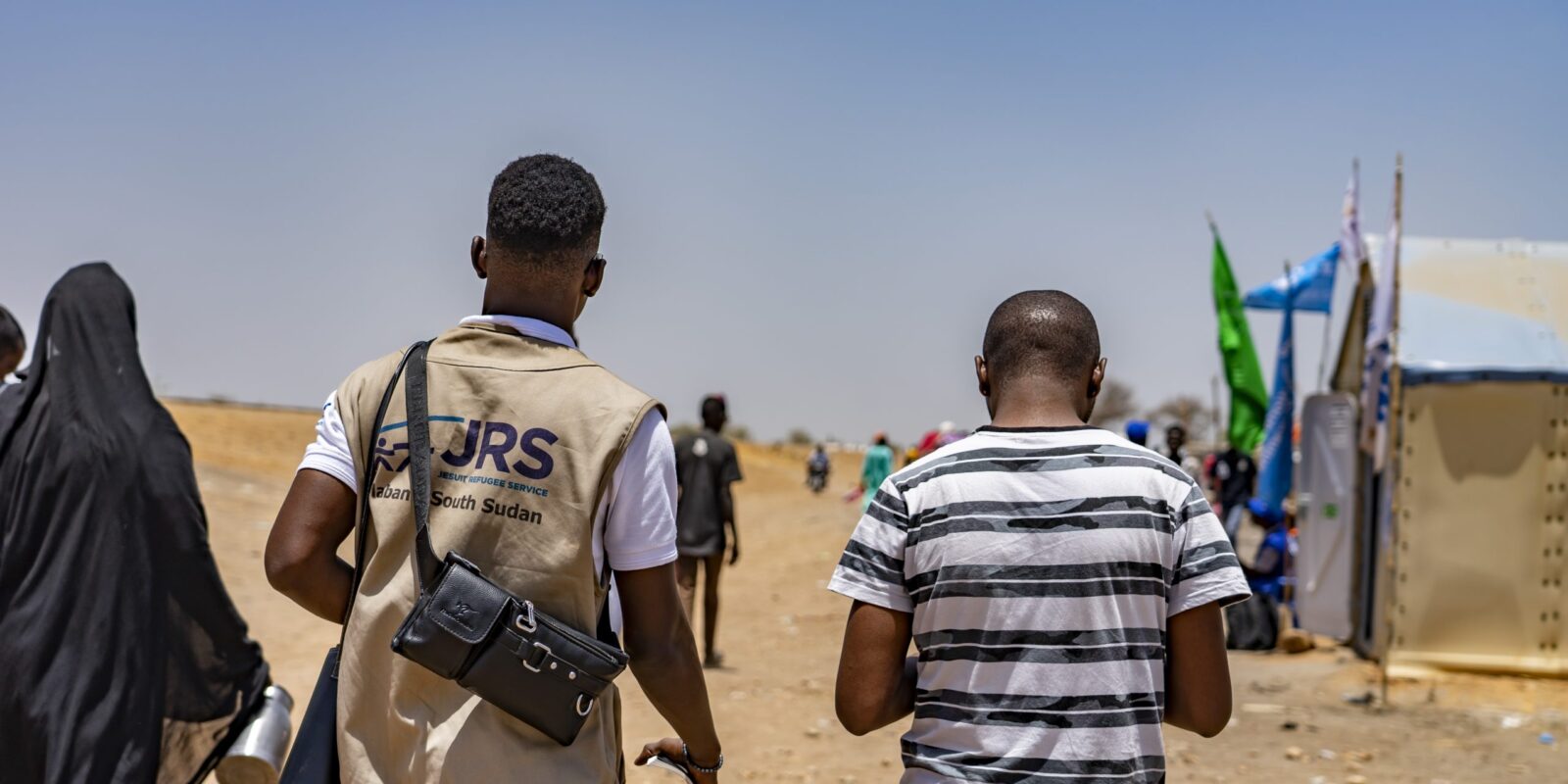
JRS responds to the urgent and long-term needs of people who have been forced to flee their homes because of conflict, persecution, climate-related disasters, and other crises. Our work is rooted in accompaniment: being present with people in moments of uncertainty, listening to their needs, and supporting programs that help individuals, families, and communities move toward healing and self-reliance.
JRS/USA supports this global mission through fundraising, advocacy, education, and awareness-building in the United States.
JRS Global Impact at a Glance – 2025
Each year, JRS reaches refugees, asylum seekers, internally displaced people, and host communities through programs designed to meet immediate needs while supporting long-term resilience.
58
Countries where JRS serves refugees and forcibly displaced people
1,086,269+
People accompanied through JRS programs each year
477,034+
Students supported through education and training programs
134,921+
People reached through mental health, psychosocial support, and protection services
View our 2025 Annual Report here
Our Areas of Impact
Education for Refugees and Displaced Children
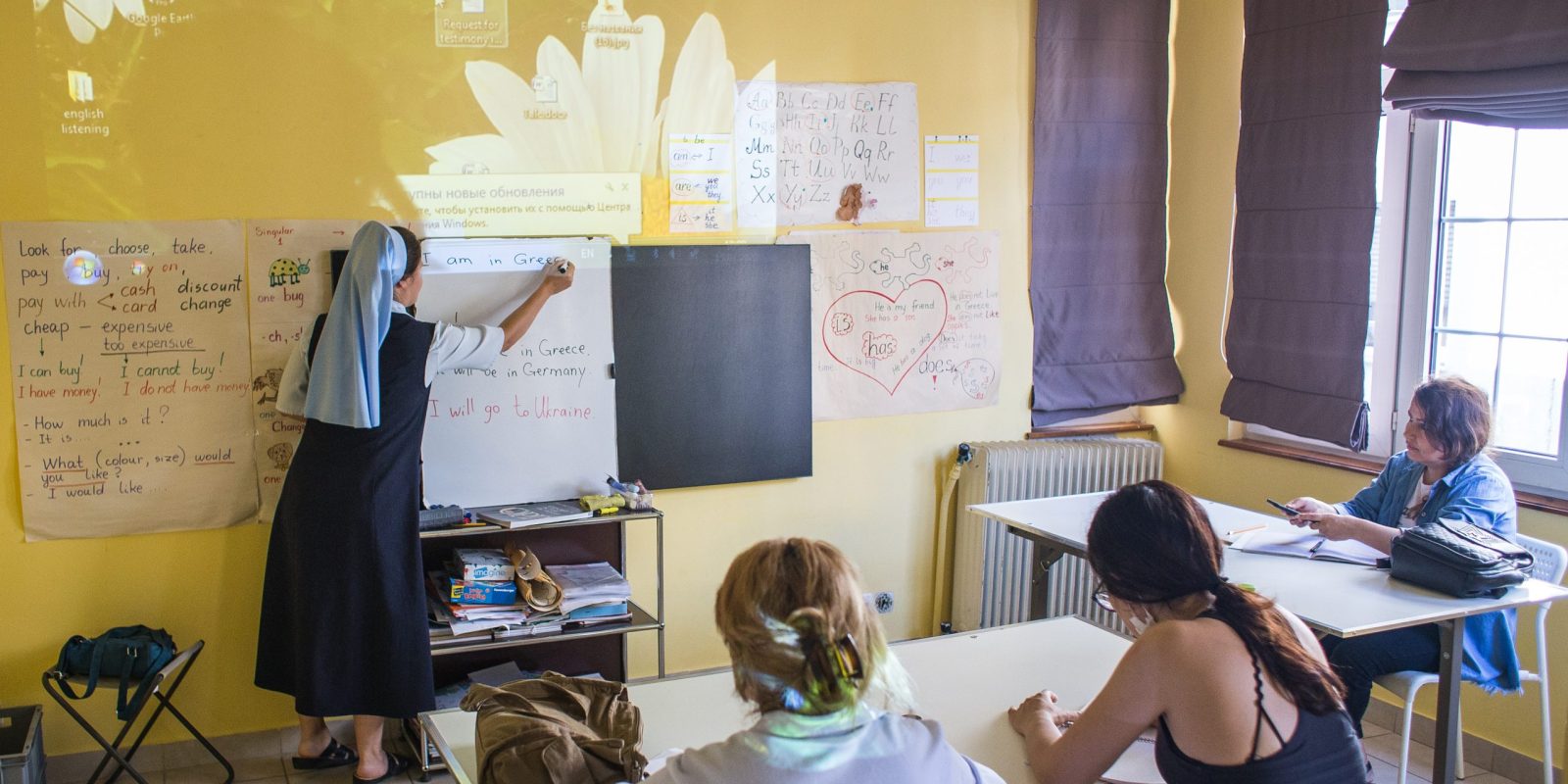
Education is one of the most powerful ways to restore stability and opportunity for children and young people affected by displacement. JRS supports access to quality education, teacher training, early childhood learning, secondary education, vocational training, and higher education pathways for refugees and displaced students.
Learn more about JRS education programs
Mental Health and Psychosocial Support
Displacement often brings trauma, grief, uncertainty, and isolation. JRS provides mental health and psychosocial support that helps individuals and communities process trauma, strengthen resilience, and rebuild trust. These programs may include counseling, group support, safe spaces, community-based care, and staff training.
Learn more about mental health and psychosocial support
Emergency Assistance and Crisis Response
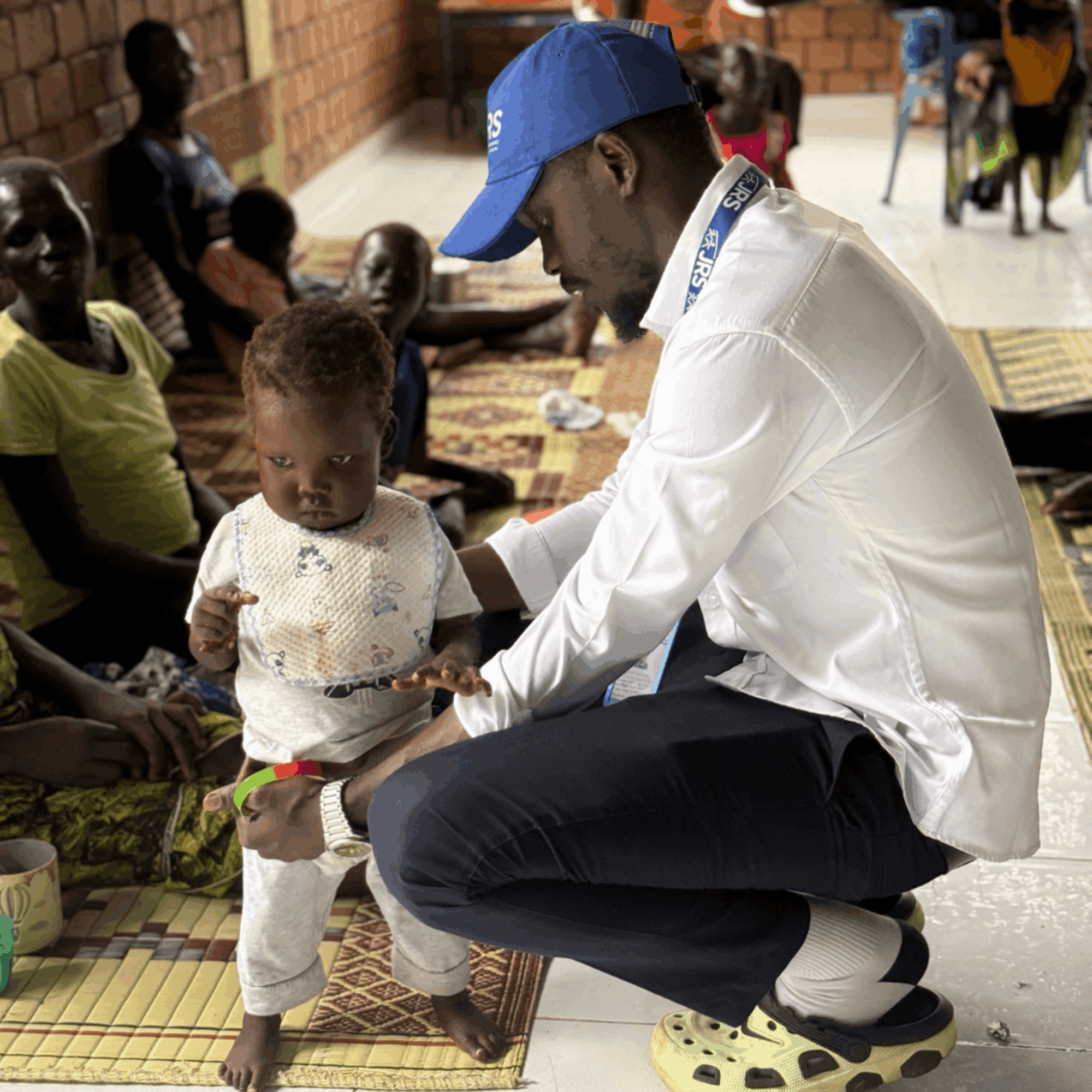
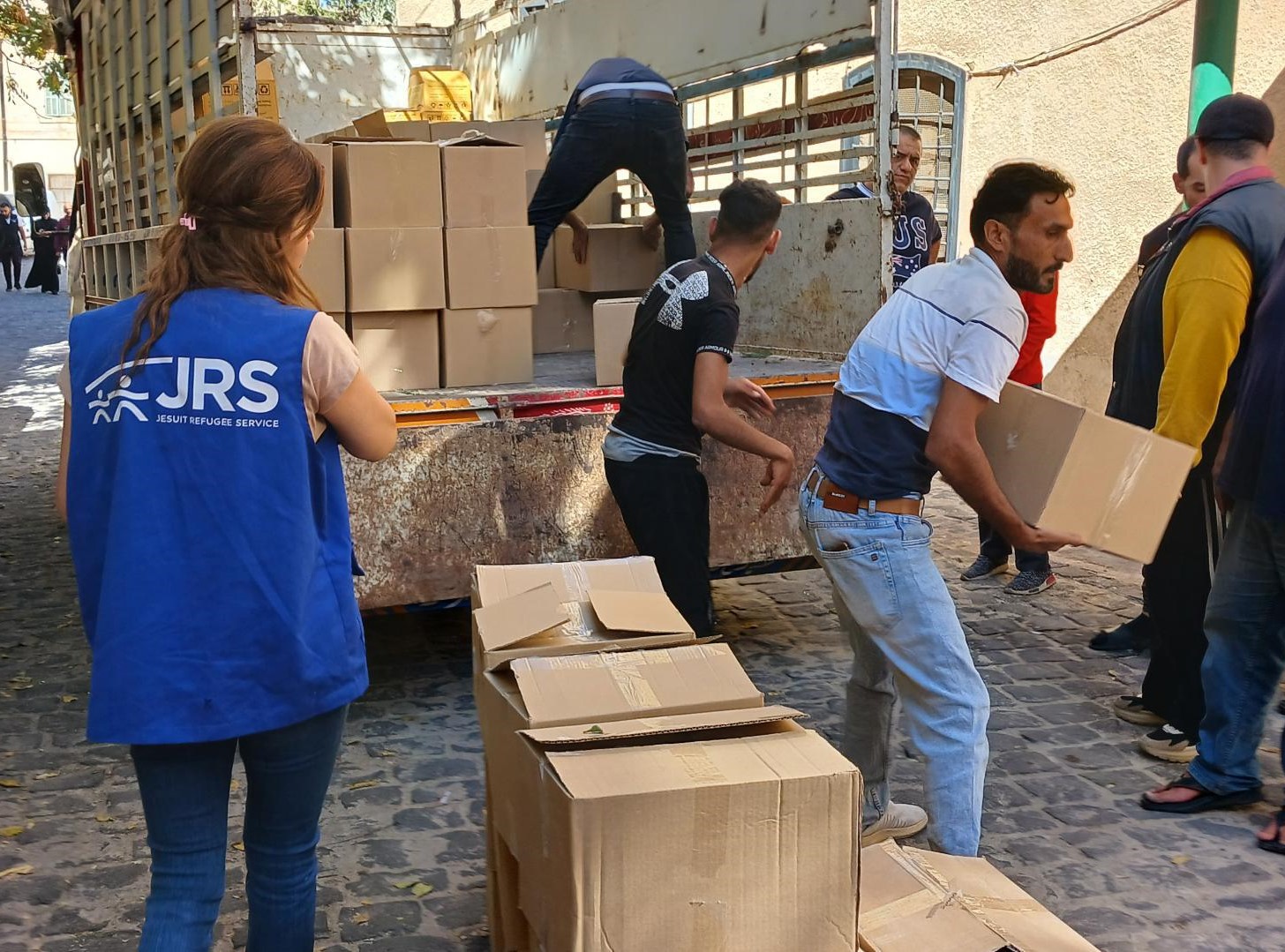
In times of crisis, JRS helps meet urgent needs such as food, shelter, medical care, transportation, protection, and emergency supplies. JRS teams often remain present after the immediate crisis has passed, helping communities recover and rebuild over time.
Learn more about emergency assistance
Livelihoods and Self-Reliance
JRS supports refugees and displaced people as they build skills, access training, and pursue opportunities for work and income. Livelihoods programs help families regain independence, contribute to their communities, and plan for the future with greater stability.
Learn more about livelihoods programs
Protection, Reconciliation, and Community Support
JRS works with displaced communities to promote safety, dignity, and social connection. Protection and reconciliation programs may include community-building activities, legal information, support for people with specific vulnerabilities, and efforts to strengthen relationships between displaced people and host communities.
Explore JRS programs
Advocacy for Refugees and Displaced People
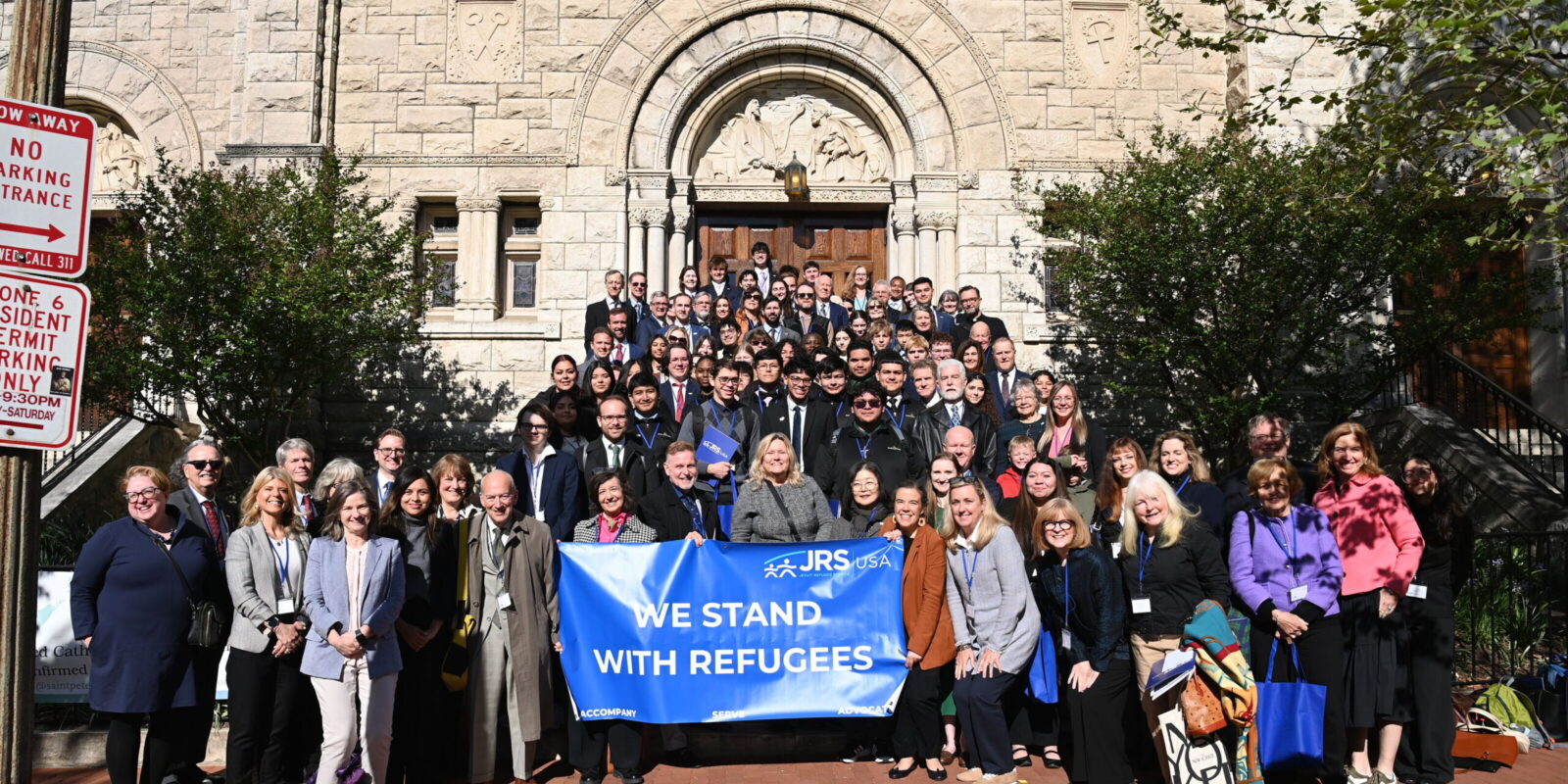
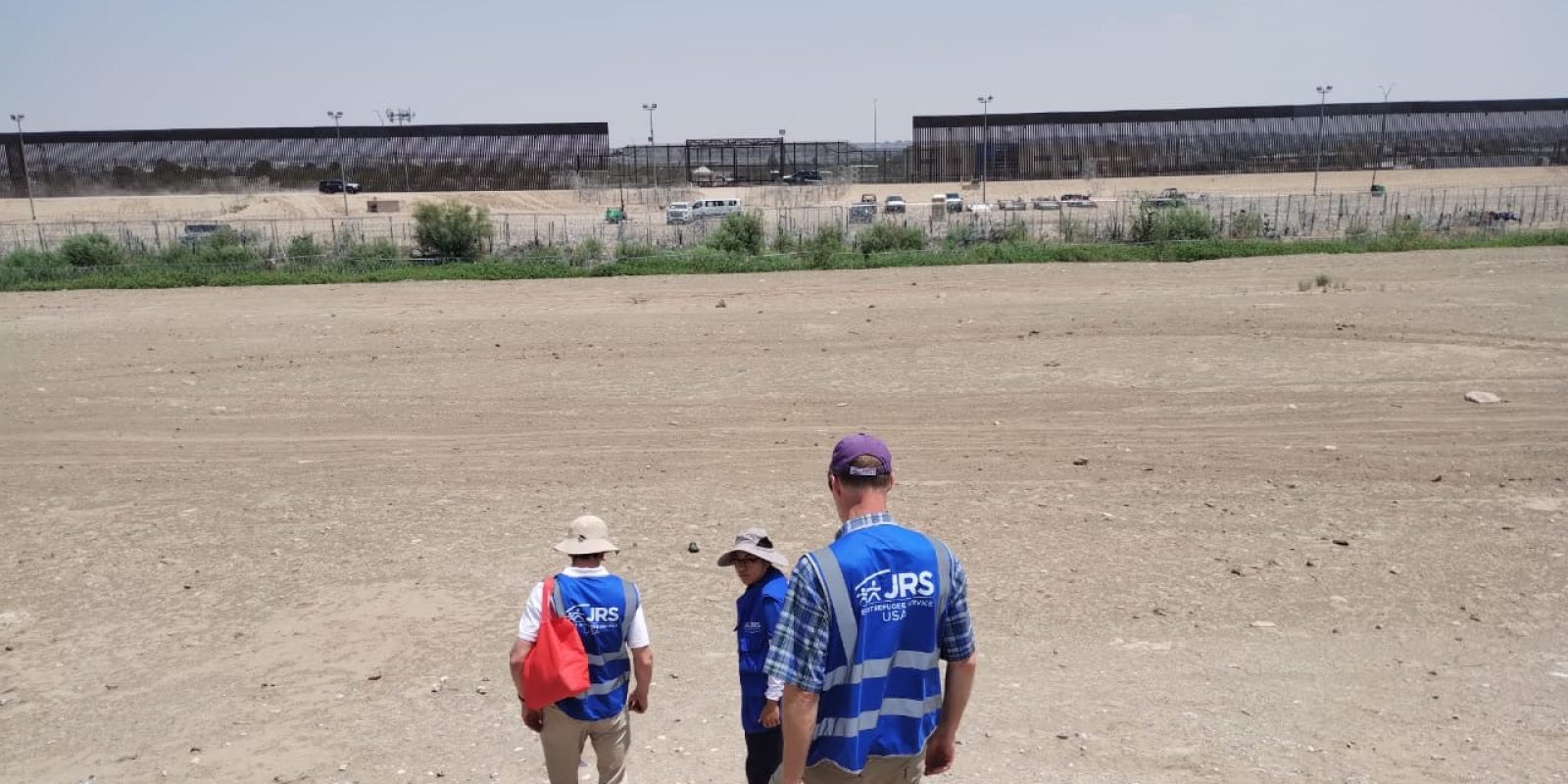
JRS/USA advocates for policies that protect refugees, asylum seekers, and forcibly displaced people. Through action alerts, public education, coalition work, and events such as Advocacy Day, JRS/USA helps supporters raise their voices for humanitarian assistance, refugee protection, and the rights of displaced people.
Learn more about JRS/USA advocacy
What Makes JRS Different: Accompaniment
JRS is grounded in the belief that every person deserves to be seen, heard, and accompanied. Accompaniment means walking with refugees and displaced people — not only providing services, but building relationships rooted in dignity, trust, and shared humanity.
This approach shapes every part of JRS’s work. Programs are designed in response to the needs of local communities, and staff remain present with people through crisis, transition, and recovery.
How JRS Measures Impact
JRS measures impact through both data and human experience. Quantitative results help track reach, services delivered, participation, and program outcomes. Qualitative feedback from displaced people, staff, and local partners helps ensure that programs remain responsive, respectful, and effective.
- Program monitoring and evaluation
- Community feedback and participation
- Local partnerships and accountability practices
- Annual reporting and outcome tracking
- Stories that reflect the lived experience of displaced people
Impact in Action
Behind every number is a person, family, and community seeking safety, healing, and a future. JRS shares stories from around the world to highlight how accompaniment, education, advocacy, and emergency response make a difference in the lives of displaced people.
Responding to Crisis
In places affected by conflict and instability, JRS provides emergency support while continuing to accompany communities through long-term recovery.
Read stories of impact
Supporting Education
JRS helps displaced children and young people continue learning, even in the midst of uncertainty and crisis.
Explore education programs
Advocating for Protection
JRS/USA works with supporters across the United States to advocate for policies that uphold human dignity and protect displaced people.
Take action
Support JRS’s Work with Refugees
Your support helps JRS accompany refugees and forcibly displaced people through education, emergency assistance, mental health support, livelihoods, and advocacy. Together, we can help displaced communities rebuild their lives with dignity and hope.
Donate to Support Refugees
Frequently Asked Questions About JRS’s Impact
What impact does Jesuit Refugee Service have?
Jesuit Refugee Service supports refugees and forcibly displaced people through education, mental health and psychosocial support, emergency assistance, livelihoods, protection, reconciliation, and advocacy. JRS’s impact includes both immediate crisis response and long-term accompaniment that helps people rebuild their lives.
How does JRS help refugees?
JRS helps refugees by providing programs that respond to urgent needs while supporting long-term stability. This includes education, emergency aid, counseling, community support, livelihood training, and advocacy for policies that protect displaced people.
Where does JRS work?
JRS works in countries around the world where refugees, asylum seekers, internally displaced people, and host communities need support. Programs vary by location and are shaped by the needs of the communities JRS accompanies.
What is accompaniment?
Accompaniment is central to JRS’s mission. It means being present with refugees and displaced people, listening to their experiences, and walking with them as they seek safety, healing, and opportunity.
How does JRS measure impact?
JRS measures impact through program data, monitoring and evaluation, community feedback, local partnerships, annual reporting, and stories from the people and communities served.
Why is refugee education important?
Education helps displaced children and young people regain stability, build skills, and prepare for the future. It also supports healing, protection, and stronger communities.
Why is mental health support important for refugees?
Many refugees and displaced people experience trauma, grief, and uncertainty. Mental health and psychosocial support helps individuals and communities process these experiences, strengthen resilience, and rebuild social connection.
How can I support JRS?
You can support JRS by donating, taking advocacy action, sharing resources, joining events, and learning more about the experiences of refugees and displaced people.