Inside a Church Shelter: How JRS is Supporting Displaced People in Beirut
17 March 2026
When violence escalated across Lebanon in early March 2026, thousands of people fled their homes with little warning. As displacement spread across the country, Jesuit Refugee Service (JRS) teams in Beirut mobilized quickly to provide emergency shelter and assistance to people seeking safety.
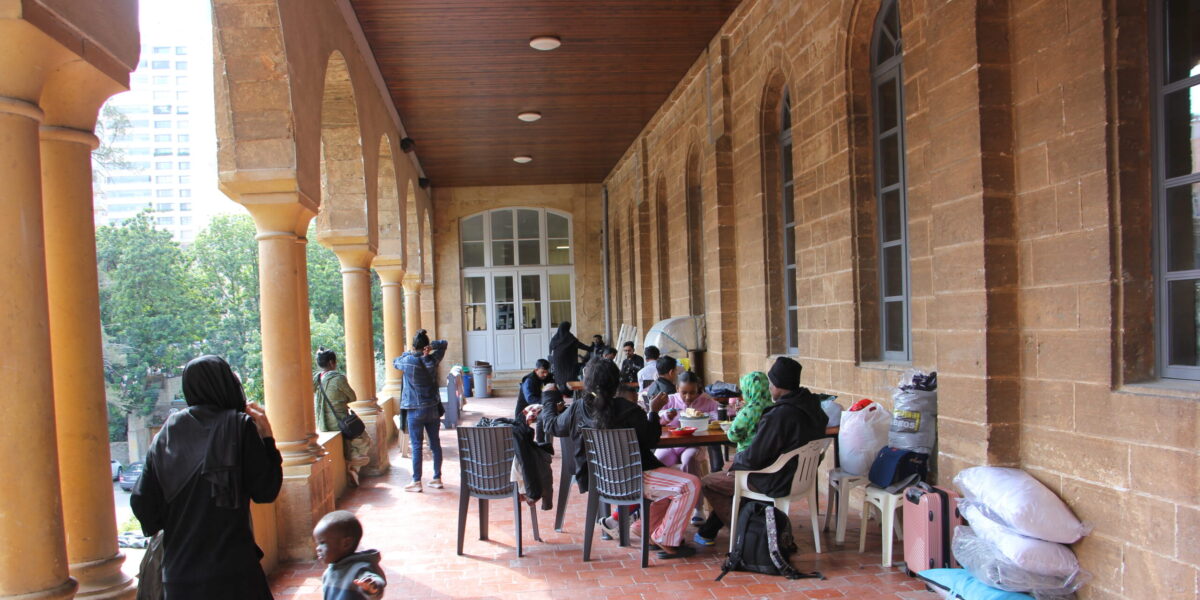
Within hours of the escalation, St. Joseph Jesuit Church in Beirut’s Monnot neighborhood opened its doors to displaced migrant workers and families who had nowhere else to go. The church, which has long supported migrant communities through the Arrupe Migrant Center, quickly became a place of refuge for people fleeing areas affected by violence.
For many arriving at the church, it was one of the few places where they could find safety, food, and stability amid rapidly unfolding events.
Why Migrant Workers Needed Emergency Shelter
As displacement spread across Lebanon, many public shelters prioritized Lebanese families. Migrant workers and refugees often faced barriers accessing these shelters, leaving them with limited safe options.
Community spaces such as churches and humanitarian centers therefore became critical places of protection. At St. Joseph Jesuit Church, JRS teams began receiving migrant workers fleeing areas including southern Lebanon and Beirut’s southern suburbs.
Today, the church shelter hosts approximately 200 displaced migrant workers, offering a temporary place of safety while the situation continues to evolve.
Daily Support for Displaced Families
Since the shelter opened, JRS teams have focused on ensuring that residents can meet their immediate daily needs.
Support provided at the shelter includes:
- Daily meals for residents
- Mattresses, pillows, and blankets
- Hygiene kits and essential personal supplies
- Infant supplies including milk and diapers
- Transportation support to access medical services
These services help displaced families maintain basic living conditions and dignity while they navigate an uncertain situation.
Medical Care and Support for Vulnerable Residents
Healthcare support is also a key part of the shelter response.
JRS is coordinating medical care with humanitarian partners to ensure residents receive treatment when needed. Recently, Médecins Sans Frontières (MSF) conducted medical consultations at the shelter and provided medication to residents requiring care.
Particular attention is given to vulnerable residents, including pregnant women. JRS teams are preparing postpartum kits and following up on medical needs to ensure that mothers and newborns receive appropriate care.
Stories from the Shelter
Among those seeking safety at the church is Rudayna, a mother of three from Sudan who has been living in Beirut since 2019. She arrived at the shelter with her children hoping to find stability while the situation remains uncertain.
Another resident, Zahraa, had previously taken refuge at the same church during the 2024 conflict. When violence escalated again this year, she returned with her young son.
For families like Rudayna’s and Zahraa’s, the church represents more than temporary shelter. It is a place where displaced families can find protection, care, and support during an extremely difficult moment.
Expanding Assistance Across Lebanon
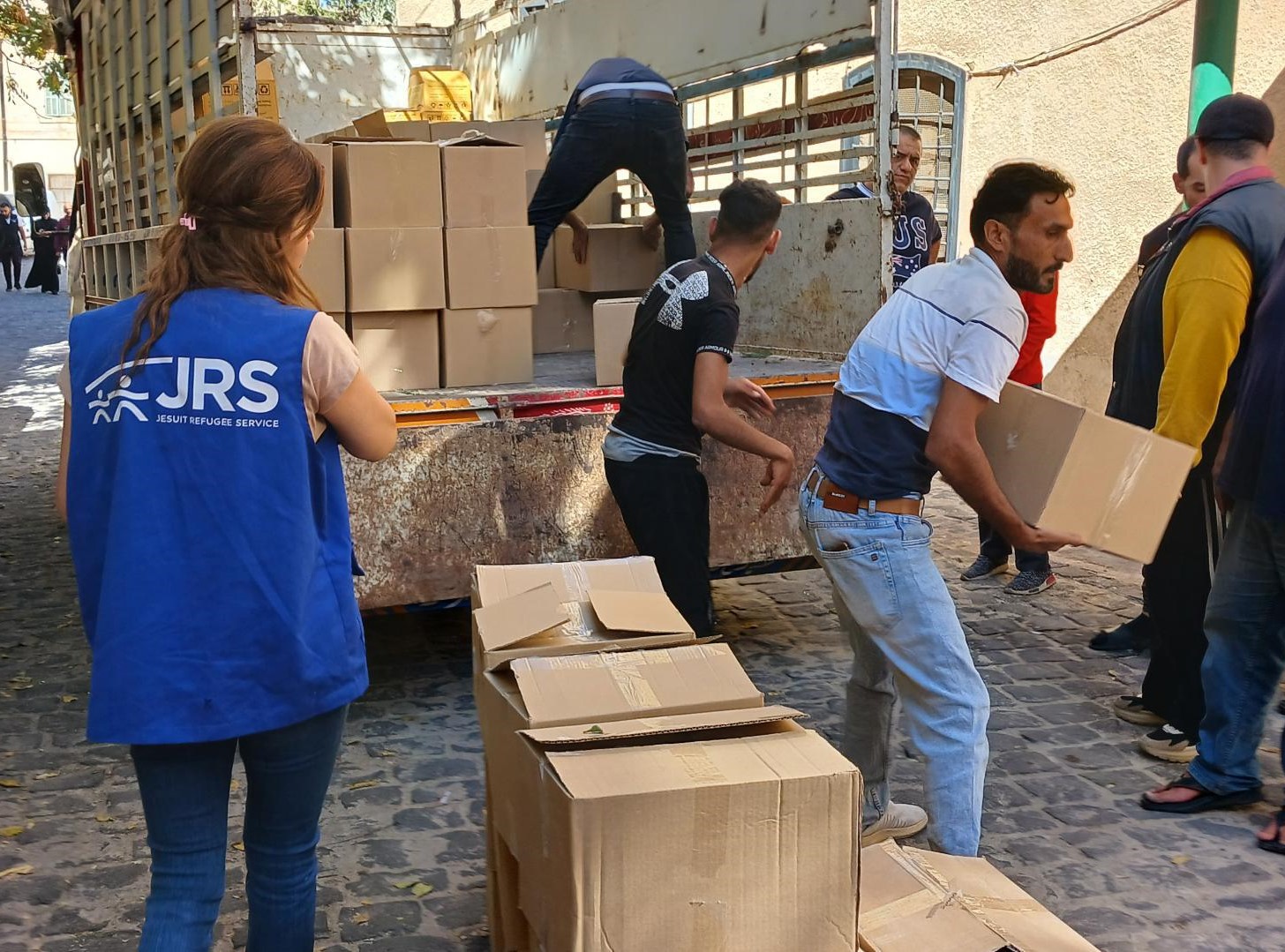
Beyond the church shelter in Beirut, JRS Lebanon is also responding to growing humanitarian needs among displaced families in several regions where the organization already operates.
Planned emergency distributions include food baskets and essential items for internally displaced families in:
- Bourj Hammoud (Beirut–Mount Lebanon)
- Bar Elias (Central Bekaa)
- Baalbek
These efforts aim to support families who fled their homes and are now living in crowded shelters or shared housing with host communities.
Responding to a Growing Humanitarian Crisis
According to recent humanitarian reporting, the escalation of violence in March 2026 has displaced more than 830,000 people across Lebanon, placing immense strain on shelter systems, healthcare services, and community infrastructure.
JRS teams continue to monitor the situation closely and adapt their response to meet emerging needs.
Through emergency shelter, humanitarian assistance, and protection services, JRS remains committed to accompanying displaced families during this crisis.
Learn More About the Crisis
To learn more about the situation in the region and how JRS is responding, visit:
JRS/USA Middle East Crisis Response
Sources
Explore more