Three Years Into Sudan’s War, a Growing Crisis We Cannot Forget
15 April 2026
April 15 marks three years since the escalation of violence in Sudan. 2023’s rapid descent into conflict has become one of the world’s most profound humanitarian crises, with no clear end in sight. Thousands of civilians have been killed. Millions more have been forced from their homes, seeking safety in neighboring countries including South Sudan, Egypt, Chad, and Ethiopia.
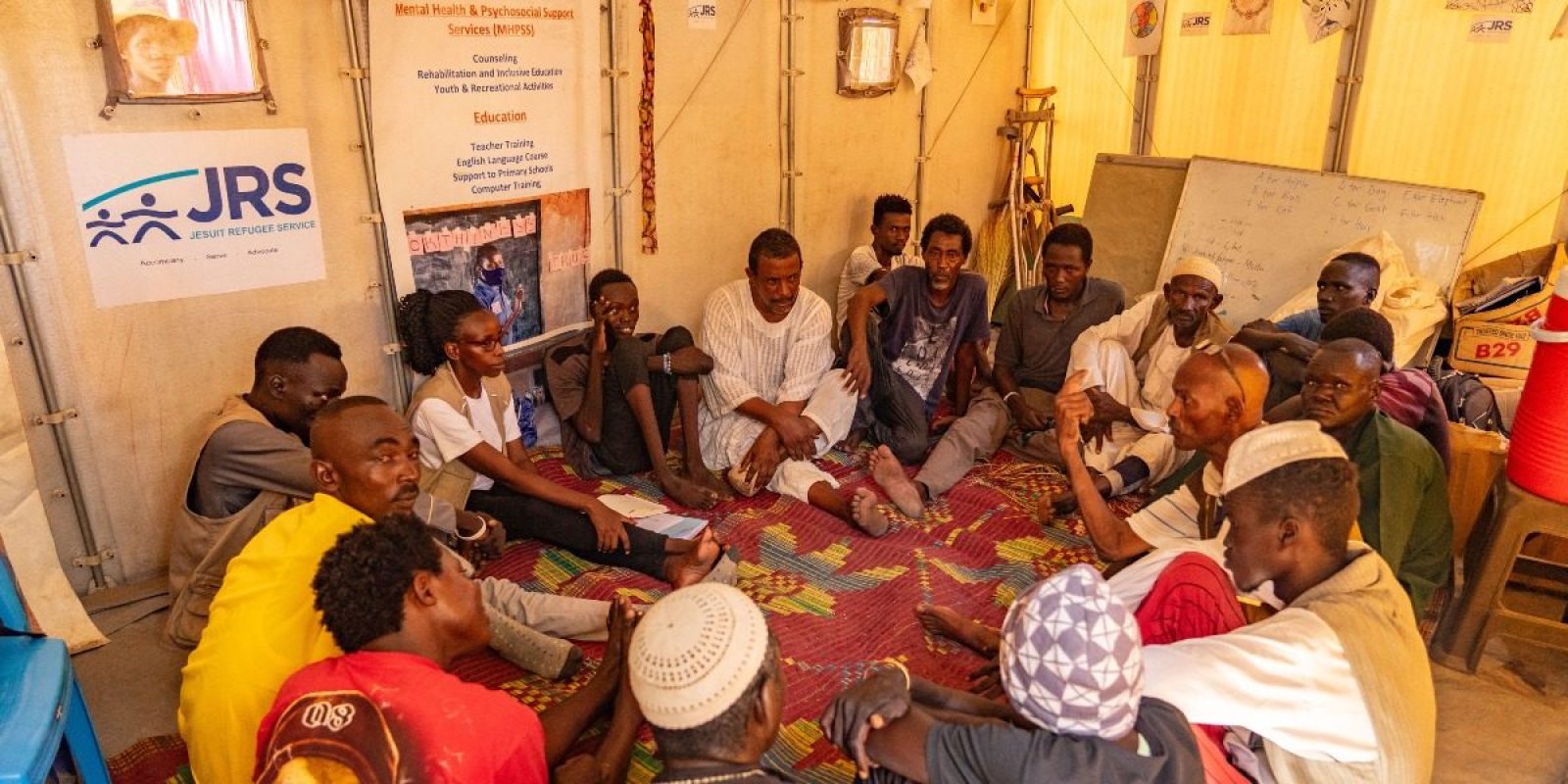
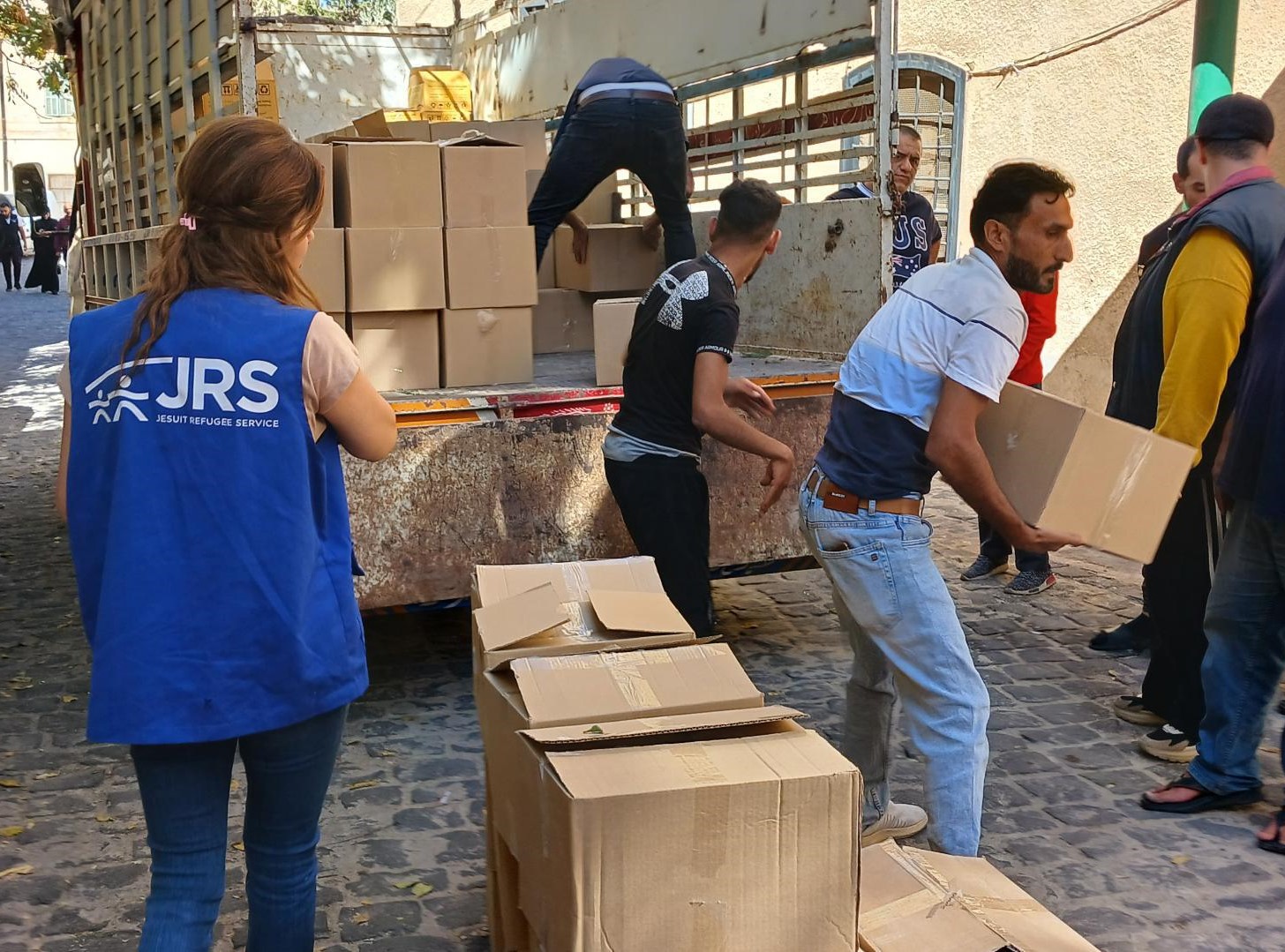
Across the region, Jesuit Refugee Service (JRS) continues to respond with emergency assistance, education, and mental health and psychosocial support.
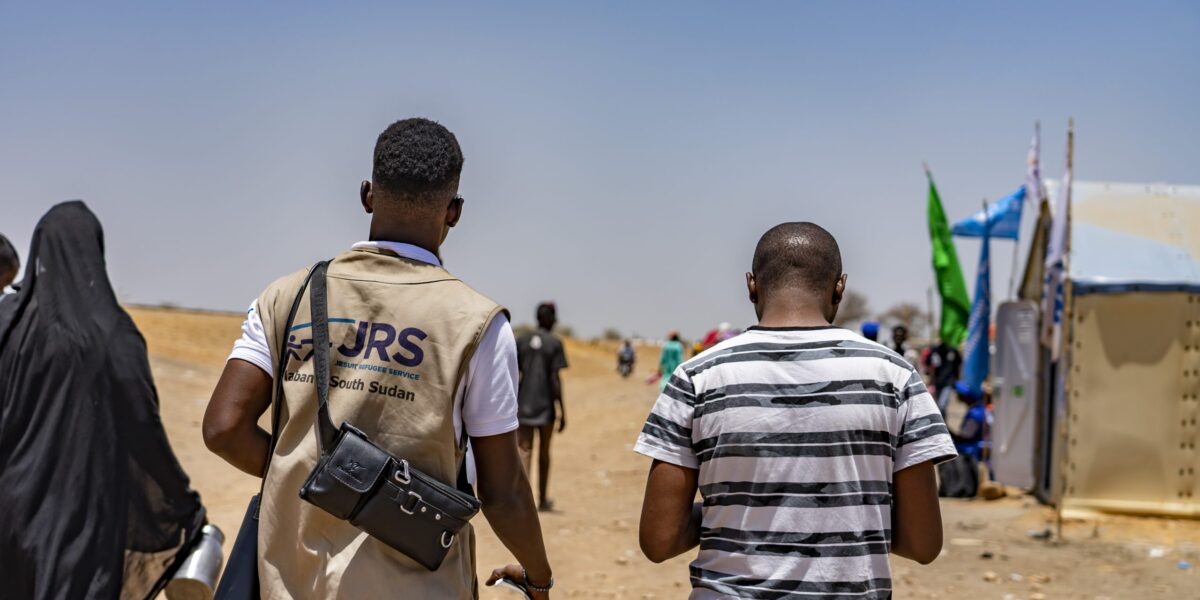
In South Sudan, JRS teams serve both Sudanese refugees and South Sudanese returnees—individuals who had previously sought opportunity in Sudan but are now forced to return under dire circumstances. In Renk County, a key entry point along the border, the transit center receives a constant flow of people arriving with little more than what they could carry. Many arrive in acute emotional distress, having witnessed or experienced violence.
Nadir, a 35-year-old Sudanese refugee, is one of them.
Before the conflict, Nadir supported his family as a commercial transport operator. That stability was abruptly shattered when armed soldiers seized his truck, forcing him to flee for his life.
His journey to safety, from El Obeid to Rebek, then to Joda, and finally to Renk, was marked by exhaustion, fear, and uncertainty. By the time Nadir finally arrived in Renk the cumulative weight of displacement had taken a serious toll on his mental health. He experienced severe depression, including persistent sadness, anger, sleeplessness, and recurring flashbacks.
 Nadir first learned about JRS through a community awareness session at the transit center. Despite the stigma that often surrounds mental health, he chose to seek support.
Through six individual counseling sessions with a JRS counselor, Nadir began to process his experiences and develop practical coping strategies. He was also referred for clinical care and received medication to support his recovery. He is one of the hundreds of success stories from JRS’ integrated approach that combines psychosocial and medical support.
“I encourage anyone going through similar struggles not to suffer in silence,” he says. “Help is available.”
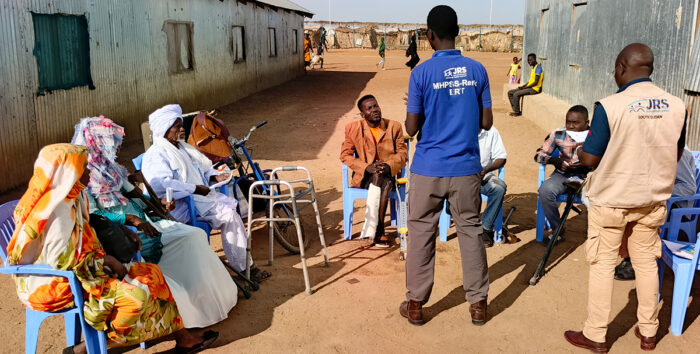
Further south in Maban, JRS provides another critical and often overlooked form of care— physiotherapy and support for people living with disabilities. For many in this region, refugees and host communities included; these services are otherwise unavailable.
Hadija, a seven-year-old girl, arrived with her mother after developing post-injection paralysis, a condition that left her unable to properly use her limb. What began as a routine medical procedure had become life-altering.
When she first came for an assessment, Hadija faced significant mobility challenges. She relied heavily on her mother for daily tasks and could no longer participate in the activities that once brought her joy.
She was enrolled in a structured physiotherapy program, attending 15 sessions focused on restoring movement, building strength, and improving coordination. Through consistent care and targeted interventions, Hadija began to make steady progress. 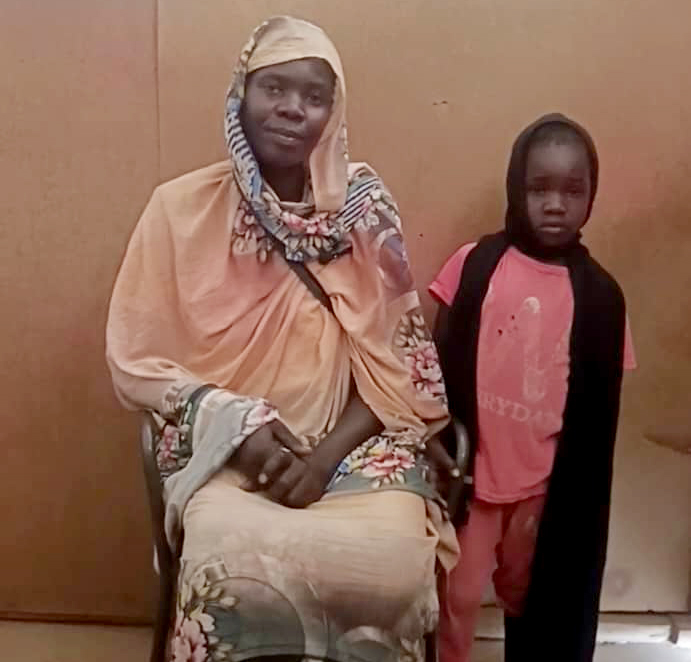
Gradually, she regained mobility and independence. She began walking with greater stability, and with it, her confidence returned. Today, she is once again able to play and engage with others.
For her mother, this change has unlocked opportunities and a future she had otherwise resigned.
While these stories reflect a fraction of the realities of displaced communities, they are a testament to what is possible when care is sustained, holistic, and rooted in accompaniment.
Three years into this crisis, the needs continue to grow especially as support from foreign governments wanes and global attention shifts to other conflicts. Sudan must not be forgotten. The resilience of refugees and other forcibly displaced people endures, and so too does the responsibility to remain present to them.
Explore more