Mental Health and Psychosocial Support
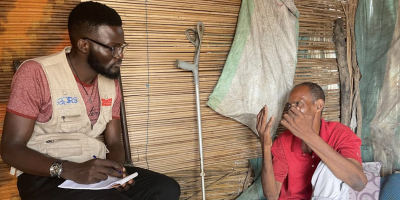
Mental Health and Psychosocial Support (MHPSS) helps refugees and other forcibly displaced people recover from the emotional and social impacts of conflict and displacement. Jesuit Refugee Service provides mental health support for refugees through community-based programs, counseling services, safe spaces, and psychosocial activities that strengthen resilience and rebuild social connections. By integrating mental health care into humanitarian assistance, education, and community programs, JRS helps displaced people heal, regain stability, and move forward with dignity and hope.
Mental Health and Psychosocial Support (MHPSS)
What Is Mental Health and Psychosocial Support?
Mental Health and Psychosocial Support (MHPSS) refers to programs and activities that protect or promote psychological well-being and strengthen social connections in communities affected by crisis or displacement. The term recognizes that mental health is shaped not only by individual experiences but also by relationships, community networks, cultural context, and access to safety and basic services.
For refugees and forcibly displaced people, MHPSS helps individuals and communities cope with hardship, rebuild resilience, and restore dignity after conflict, violence, or forced migration.
Why Mental Health Support Matters During Displacement
People who are forced to flee their homes often experience multiple layers of stress. These may include exposure to violence, separation from family members, loss of livelihoods, disruption of community networks, and uncertainty about the future. These experiences can significantly affect emotional well-being and social stability.
Many individuals experience natural reactions such as sadness, anxiety, fatigue, or difficulty concentrating. These responses are common and often improve when people regain safety, access basic services, and reconnect with supportive relationships. However, some individuals may need additional support to recover and adapt to new environments.
Ensuring access to mental health services is widely recognized as part of the fundamental right to health and is essential for supporting healthy development, stability, and long-term well-being for displaced individuals and families.
The JRS Approach to Mental Health and Psychosocial Support
Jesuit Refugee Service provides holistic Mental Health and Psychosocial Support rooted in the Jesuit tradition of cura personalis, or care for the whole person. This approach recognizes that healing and resilience are strengthened when individuals are supported within their families, communities, and cultural traditions.
JRS programs focus on community participation and local leadership. Rather than focusing solely on clinical diagnoses, JRS emphasizes restoring safety, connection, and resilience in displaced communities. Well-being is understood not simply as the absence of distress, but as the presence of dignity, social support, and hope for the future
MHPSS has long been a core part of JRS programming worldwide, and the organization has contributed to global humanitarian guidance on psychosocial support in emergency settings. Programs are designed to be culturally relevant, inclusive, and accessible to people of all ages and backgrounds.
Community-Based Mental Health Support
JRS prioritizes community-based approaches to mental health and psychosocial support. Community-based MHPSS focuses on strengthening the capacities of individuals, families, and communities to support one another and rebuild social cohesion after displacement.
These approaches emphasize early support, prevention, and the integration of mental health considerations across humanitarian programming. Community members themselves often play an active role in designing and delivering these activities, ensuring that services are culturally appropriate and responsive to local needs.
MHPSS Services and Activities
JRS implements a wide range of activities that promote mental health, strengthen social connections, and support resilience among displaced communities.
Examples of Mental Health and Psychosocial Support services include:
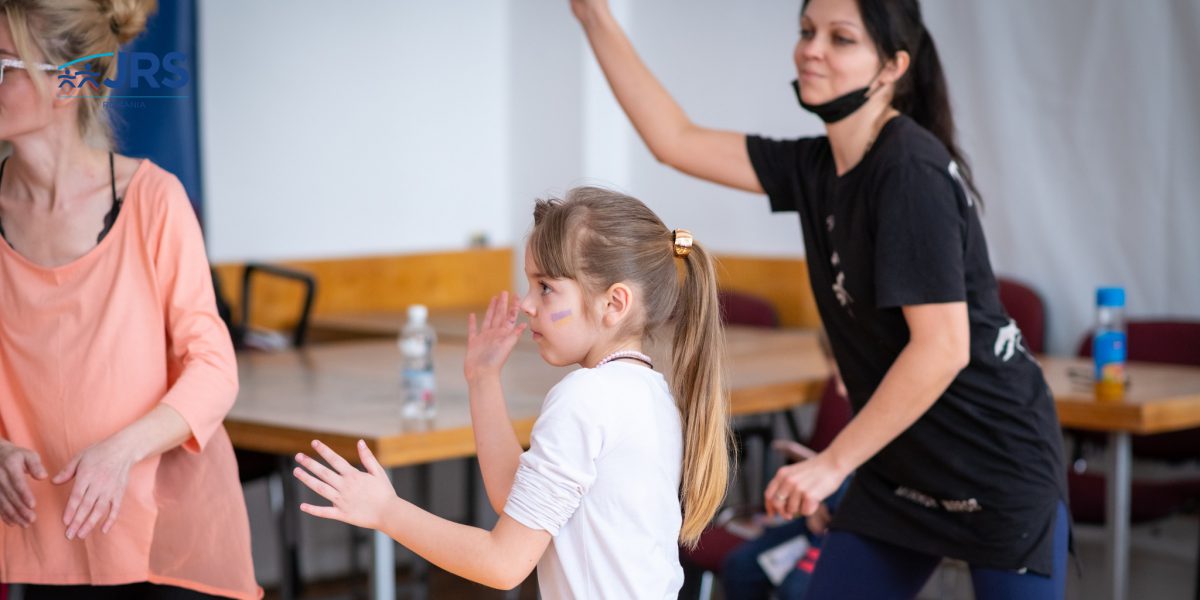
- Safe spaces for children and youth that provide structured activities, emotional support, and opportunities for learning and play
- Community activities such as sports, arts, music, theatre, and cultural programs that strengthen social bonds and restore a sense of normalcy
- Peer support groups and group counseling where individuals can share experiences and receive encouragement from others in similar situations
- Psychological first aid and emotional support for individuals experiencing distress following crisis or displacement
- Psychoeducation and social-emotional learning to help individuals understand stress responses and develop healthy coping strategies
- Support for parents, teachers, and caregivers to strengthen protective environments for children and young people
- Individual counseling and case management for those who require more targeted support
- Referrals to specialized mental health services when advanced clinical care is needed
These services aim to strengthen resilience, reduce suffering, and help displaced people rebuild a sense of safety and belonging.
Integrating MHPSS Across Humanitarian Programs
JRS integrates mental health and psychosocial considerations across its broader humanitarian work, including education, livelihoods, child protection, and advocacy initiatives. This integrated approach recognizes that emotional well-being is closely connected to access to education, economic opportunity, safety, and community life.
Programs may incorporate psychosocial elements into classrooms, youth programs, livelihood initiatives, and community centers, helping individuals rebuild confidence, strengthen relationships, and develop the skills needed to move forward after displacement.
In many settings, JRS also trains teachers, community leaders, and humanitarian staff to recognize signs of distress and respond with compassionate, culturally appropriate support.
Supporting Healing, Resilience, and Hope
Mental health and psychosocial support is essential to helping displaced people rebuild their lives after crisis. By investing in community-based care, early support, and integrated services, JRS works to ensure that refugees and other forcibly displaced people can heal, strengthen relationships, and pursue meaningful opportunities for the future.
With the right support systems in place, individuals and communities affected by displacement can recover, adapt, and flourish.
FAQ About Mental Health Support for Refugees
How does displacement affect mental health?
Displacement often follows experiences such as conflict, violence, loss of home, separation from family, and prolonged uncertainty. These experiences can affect emotional well-being and increase stress, anxiety, or feelings of isolation. Access to safety, community support, and appropriate mental health services can help individuals recover and rebuild resilience.
What services help refugees recover from trauma?
Refugees may benefit from a range of Mental Health and Psychosocial Support (MHPSS) services, including psychological first aid, counseling, peer support groups, community activities, safe spaces for children and youth, and referrals to specialized mental health care when needed.
Why is psychosocial support important in humanitarian response?
Psychosocial support helps individuals and communities cope with hardship, strengthen social connections, and rebuild a sense of safety and dignity after crisis. Integrating psychosocial support into humanitarian programs can improve long-term recovery and resilience for displaced populations.
What organizations provide mental health support for refugees?
Many humanitarian organizations provide mental health and psychosocial support services for refugees. Jesuit Refugee Service is one such organization, offering community-based mental health programs, counseling, safe spaces, and social support initiatives in refugee communities around the world.
Resources on Mental Health and Displacement
Related JRS Programs
Program Stories
World Mental Health Day | Communities Shaping Mental Health and Psychosocial Support
09 October 2026
The Frontlines of Humanitarian Aid Cuts: South Sudan, Kenya, and Lebanon One Year Later
19 February 2026
JRS INSIDER | Where a Church Opened Its Doors, Community Took Root
06 February 2026

JRS INSIDER | Walking with Refugee Women in Athens
22 December 2025
How Communities Safeguard Mental Health in South Sudan
10 October 2025