Afghanistan
Displacement in Afghanistan: How Jesuit Refugee Service Responds
Afghanistan has faced decades of conflict, economic instability, and climate-related challenges, leaving millions in need of humanitarian assistance. Jesuit Refugee Service (JRS) accompanies internally displaced people and returnees through community-based programs focused on education, livelihoods, psychosocial support, and youth empowerment.
Support Displaced Communities in Afghanistan
View Full Country Report
Learn More About JRS Programs
Quick Facts
- Serving about 14,000 individuals
- Supporting internally displaced people and returnees from Iran and Pakistan
- Programs operate in key areas including Kabul and Herat
- Community-based, community-led programs focused on long-term resilience
Our Work in Afghanistan
The people of Afghanistan have endured decades of conflict, political instability, and economic hardship. The country is also among the most vulnerable to the impacts of climate change, compounding existing challenges for communities already under strain.
Ongoing political conditions continue to limit access to education and participation in public life, particularly for women and minority groups. At the same time, an influx of returnees has placed additional pressure on already limited resources, leaving many families unable to meet basic needs.
How JRS Responds in Afghanistan
JRS Afghanistan delivers community-based programs designed to meet immediate needs while building long-term resilience and self-reliance.
Core Programs
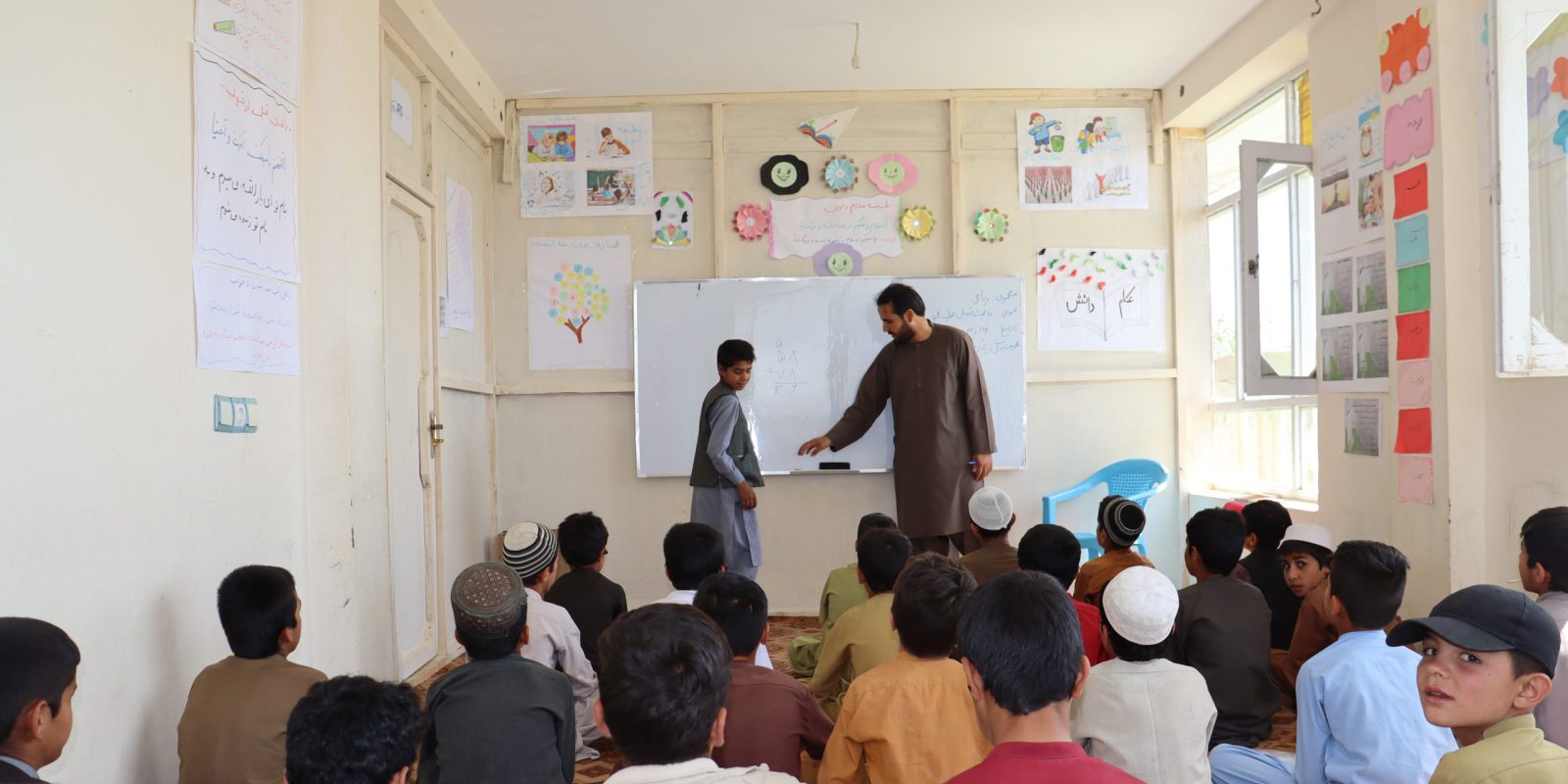
- Education and supplemental learning programs
- Livelihoods and vocational training
- Psychosocial support services
- Child protection initiatives
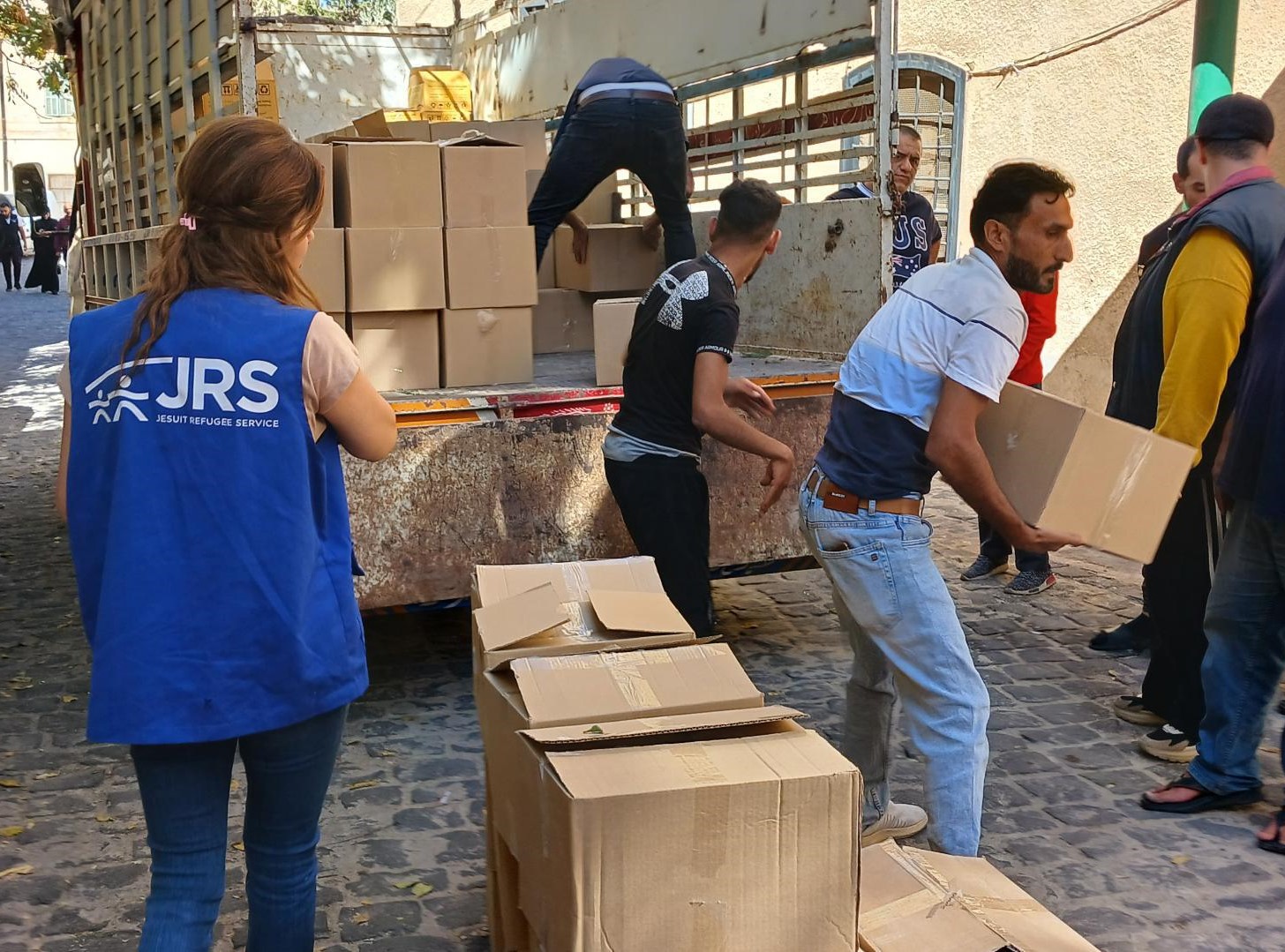
- Emergency aid
- Youth empowerment programs
- Social cohesion initiatives
- Environmental stewardship programs
Community-Based Approach
JRS programs are community-led and designed to empower individuals to move from dependency toward self-reliance. Through local engagement, JRS works to strengthen communities and create sustainable opportunities for future generations. :contentReference[oaicite:2]{index=2}
Today’s Challenges
1. Political and social restrictions
Women and girls face severe limitations on access to education and participation in public life.
2. Widespread humanitarian need
Nearly half the population requires humanitarian assistance due to ongoing instability and economic hardship.
3. Increasing displacement and returnees
Large numbers of internally displaced people and returnees continue to strain limited infrastructure and services.
Critical and Immediate Needs
Communities across Afghanistan face urgent needs that require both immediate and long-term support.
- Community Development Centers and Child Friendly Spaces for child protection, literacy, nutrition, and psychosocial support
- Skilling centers for youth focused on communication, literacy, and technical training such as tailoring and carpet weaving
- Youth-led initiatives providing education, including English, math, science, and sports programs
These programs are essential to supporting children, youth, and families as they rebuild stability in extremely challenging conditions. :contentReference[oaicite:3]{index=3}
Youth Empowerment and Community Impact
JRS places a strong emphasis on youth empowerment, recognizing young people as leaders within their communities. Through education and volunteer opportunities, youth play a key role in supporting learning and building resilience for future generations.
Stories of Hope and Resilience
Lessons from Hawa and Aisha
Despite significant barriers, young women in Afghanistan continue to find ways to lead and serve their communities.
Hawa, a 16-year-old volunteer displaced from her home, now leads English classes for younger students through JRS programs. Aisha, 23, found renewed purpose by supporting children’s education after her own academic path was disrupted.
Through outreach, home visits, and community engagement, they are helping young girls continue learning and building confidence in their futures.
“I’ve dedicated myself to helping my community continue their education, and JRS gives me the opportunity to do that.”
Their stories reflect the resilience and determination of communities working to create hope even in the most difficult circumstances.
Localizing Aid and Building Resilience
JRS Afghanistan prioritizes locally driven solutions that empower communities to take ownership of their future. Through education, livelihoods, and psychosocial support, programs are designed to build long-term resilience and reduce dependency on external aid.
Impact of Reduced Funding
As international funding declines and humanitarian needs increase, programs face growing pressure to meet demand. Reduced resources limit access to education, youth programs, and psychosocial support services that are critical to community stability.
Frequently Asked Questions
How does JRS help people in Afghanistan?
JRS provides education, psychosocial support, livelihoods training, emergency aid, and youth empowerment programs for displaced communities.
Why are people displaced in Afghanistan?
Decades of conflict, political instability, climate challenges, and economic hardship have led to widespread displacement and humanitarian need.
What programs does JRS run in Afghanistan?
Programs include education, vocational training, child protection, psychosocial support, youth empowerment, and community development initiatives.
Who does JRS serve in Afghanistan?
JRS serves internally displaced people, returnees, and vulnerable communities across Afghanistan.
Stories
Contact