Uganda
Refugees in Uganda: How JRS Responds
Uganda is the leading refugee-hosting country in Africa, known for its progressive open-door policy toward displaced people. Jesuit Refugee Service (JRS) accompanies refugees and host communities through education, mental health support, livelihoods, and emergency assistance, ensuring access to quality services despite growing demand and limited resources.
Support Refugees in Uganda
View Full Country Report
Visit JRS Uganda
Quick Facts
- Serving more than 23,000 refugees and people seeking asylum
- Uganda is the largest refugee-hosting country in Africa
- Refugees come from Somalia, Eritrea, Democratic Republic of Congo, Sudan, South Sudan, and Afghanistan
- JRS operates in Kampala and Adjumani
- One of the only organizations providing pastoral and spiritual accompaniment to refugees and host communities
Our Work in Uganda
Uganda is globally recognized for its progressive refugee policies, offering an open-door approach to those fleeing conflict and instability. However, the country faces significant challenges due to the sheer number of refugees it hosts, combined with limited infrastructure and strained service systems.
Refugee populations continue to grow, with new arrivals from neighboring countries such as the Democratic Republic of Congo and Sudan. As demand increases, funding constraints have made it more difficult to ensure consistent access to essential services. :contentReference[oaicite:0]{index=0}
How JRS Responds in Uganda
JRS Uganda provides integrated support across urban and refugee settlement contexts, focusing on both immediate needs and long-term resilience.
Kampala Programs
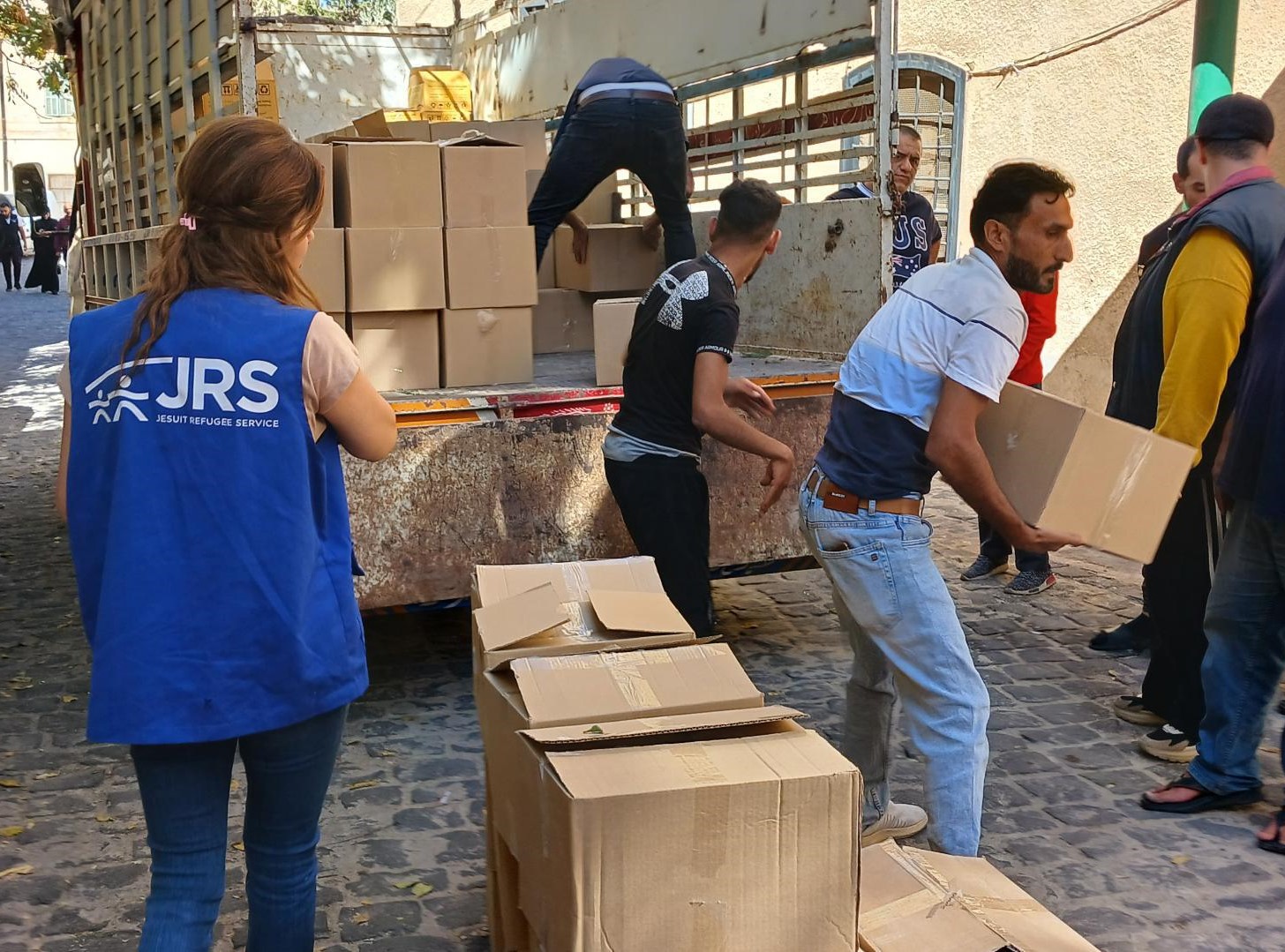
- Basic needs support including food, rent, medical services, blankets, mosquito nets, and maternity kits
- Mental Health and Psychosocial Support (MHPSS)
- Education programs
- Livelihoods training and income-generating support
Adjumani Programs
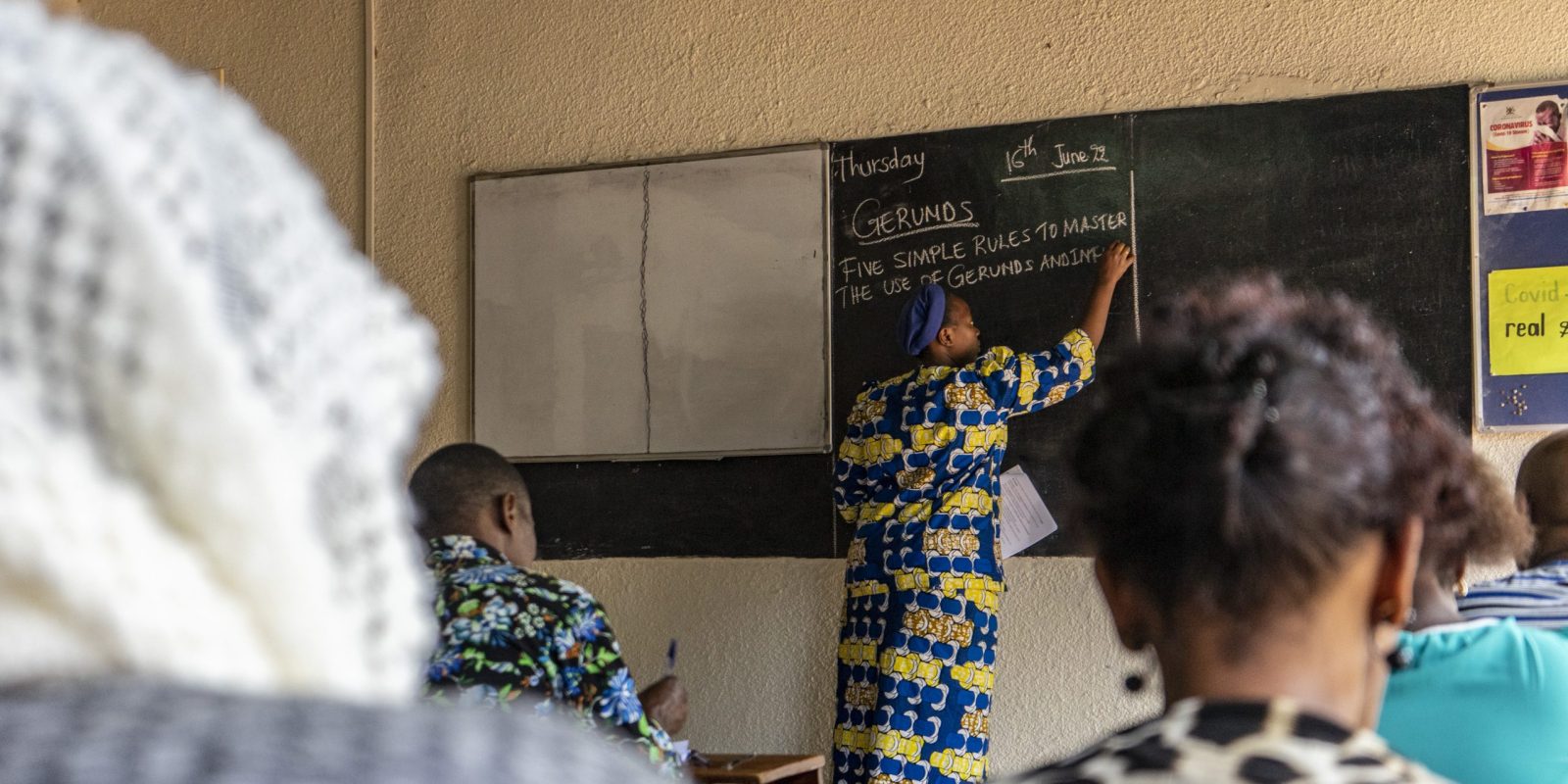
- Education including gender-responsive programs, scholarships, and teacher training
- Provision of bicycles to improve access to school
- Pastoral care and spiritual services
- Livelihoods training programs
Today’s Main Challenges
1. Medical care access
Access to consistent medical services remains a major challenge, particularly in urban areas like Kampala.
2. Malnutrition and food insecurity
Reduced assistance from global programs such as the World Food Programme has increased food insecurity for many refugee families.
3. Access to education
There is a strong need for scholarship support and improved access to education, especially for children and youth.
4. Economic inclusion
Limited livelihood opportunities make it difficult for refugees to achieve self-reliance and long-term stability.
Critical Needs
Demand for services in Uganda remains consistently high, especially for basic needs such as food, shelter, and medical care. At the same time, increased refugee arrivals continue to stretch already limited systems.
Programs that support education, livelihoods, and economic self-reliance are essential to helping refugees rebuild stability and reduce long-term dependency on aid. :contentReference[oaicite:1]{index=1}
Refugee and Community Involvement
Refugees in Uganda play an active role in strengthening their communities and supporting one another.
- Refugees contribute to their communities while maintaining cultural identity and resilience
- They are recognized for strong work ethic and professional capacity
- They support newly arrived refugees by sharing knowledge and building connections
This community-driven approach helps foster inclusion, resilience, and long-term stability. :contentReference[oaicite:2]{index=2}
Localizing Aid and Building Resilience
JRS Uganda prioritizes locally driven solutions that respond directly to community needs. By combining education, livelihoods, and psychosocial support, JRS helps refugees build skills, strengthen resilience, and contribute meaningfully to their communities.
Impact of Funding Gaps
Funding constraints continue to limit the scale of services available to refugees in Uganda. As humanitarian needs grow, reduced funding impacts access to food, education, and essential services, particularly for the most vulnerable populations.
Stories of Impact
Aganze’s Story
Aganze fled the Democratic Republic of Congo with his family and eventually arrived in Kampala. Through JRS’s livelihoods training program, he was able to develop his artistic skills—painting, making jewelry, and creating clothing.
Since completing the program, Aganze has begun selling his work online and now supports others as an art teacher within the JRS community.
“I thank JRS for believing in me and supporting me to get onto my feet. I hope that one day, I will be able to pay back by helping other refugees who want to get into art and crafts and training them till they can earn from it. My future is bright.”
This story reflects the impact of livelihood programs in helping refugees build independence and hope for the future.
Frequently Asked Questions
How does JRS help refugees in Uganda?
JRS provides education, mental health support, basic needs assistance, livelihoods training, and pastoral care to refugees and host communities.
Why does Uganda host so many refugees?
Uganda has a progressive open-door refugee policy, allowing people fleeing conflict to seek safety and rebuild their lives.
Where does JRS operate in Uganda?
JRS operates in Kampala and Adjumani, providing both urban and settlement-based support programs.
What are the biggest challenges refugees face in Uganda?
Key challenges include access to medical care, food insecurity, education, and economic opportunities.
Stories
Contact