Crisis in the Middle East
Displacement and the Humanitarian Response
Escalating violence and instability across the Middle East have forced hundreds of thousands of people to flee their homes. Jesuit Refugee Service is responding with emergency assistance and support for displaced communities across the region.
Across the Middle East, ongoing conflict, economic instability, and political tensions have forced millions of people to flee their homes. People in countries such as Lebanon, Syria, and Jordan continue to face displacement, poverty, and uncertainty as regional violence intensifies.
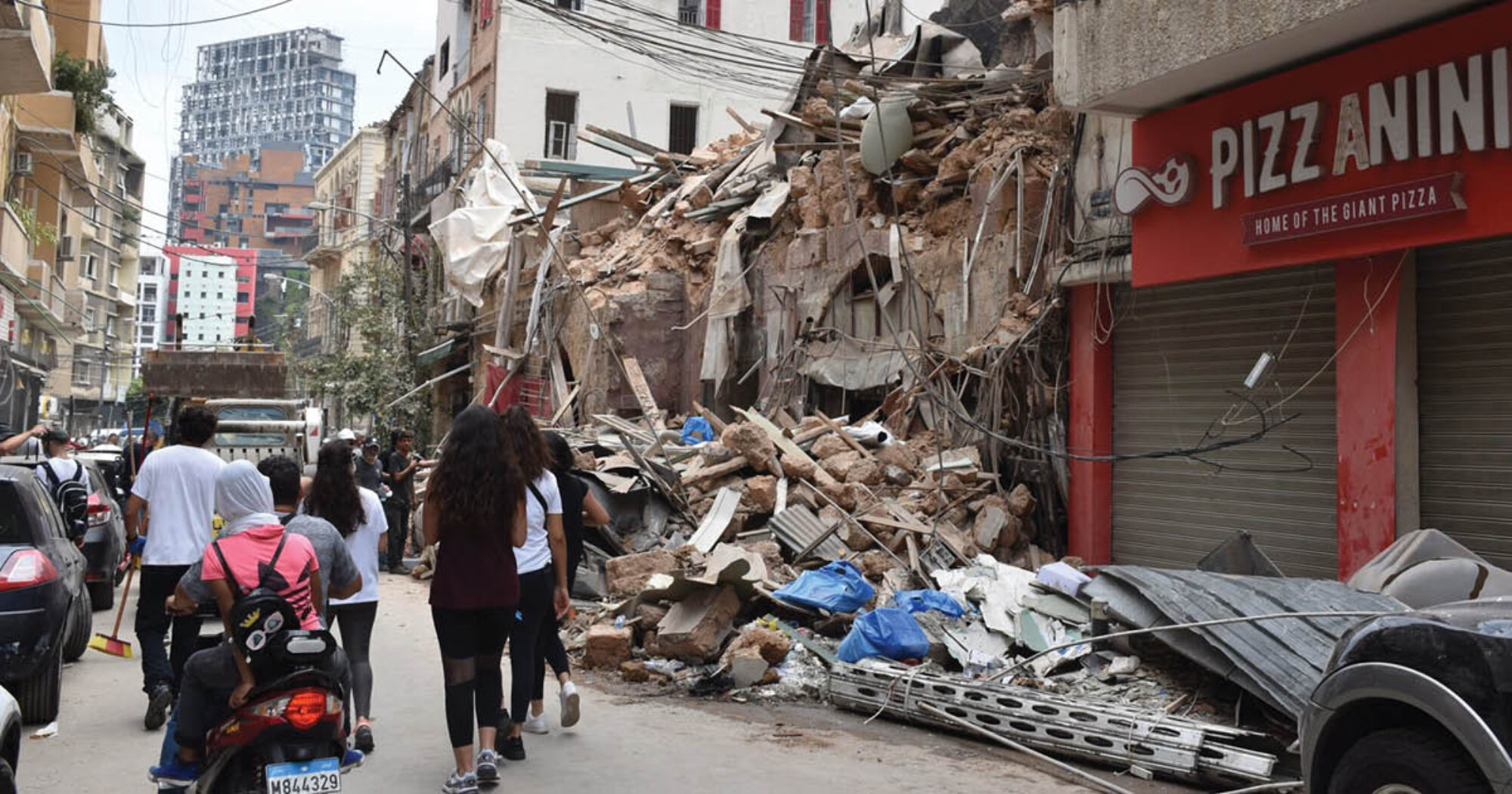
The latest escalation of violence has forced many communities to leave their homes once again. Some are sheltering in schools, churches, and temporary collective centers, while others rely on relatives or humanitarian organizations for safety and basic necessities.
For many forcibly displaced people in the region, this crisis is part of a long cycle of instability that has stretched on for more than a decade.
Quick Facts on Displacement in the Middle East
- More than 5.6 million Syrian refugees are living outside Syria after more than a decade of conflict.
- Over 7 million Syrians remain internally displaced within Syria.
- Lebanon hosts one of the highest concentrations of refugees per capita in the world, with an estimated 1.3–1.5 million Syrian refugees.
- Tens of thousands of people have recently been displaced in Lebanon following renewed violence in the region.
- Most refugees from the Middle East remain in neighboring countries, placing significant pressure on host communities and humanitarian systems.
- Jesuit Refugee Service works in several Middle Eastern countries including Lebanon, Syria, and Jordan, supporting refugees through education, mental health services, and emergency assistance.
A Region Facing Long-Term Displacement
The Middle East has experienced repeated waves of displacement over the past decade. Conflicts in Syria, Iraq, and neighboring countries have forced millions of people to flee their homes, creating one of the largest displacement crises in the world.
Countries such as Lebanon and Jordan host large refugee populations while also facing significant economic and political challenges. These pressures have left many families struggling to access housing, education, healthcare, and employment.
Humanitarian organizations warn that renewed violence risks worsening an already fragile situation for refugees and host communities alike.
How Jesuit Refugee Service Is Responding
Jesuit Refugee Service (JRS) has worked in the Middle East for decades, accompanying refugees and displaced communities affected by conflict and instability.
As the crisis evolves, JRS teams across the region are shifting programs to emergency response in order to support families who have been forced to flee.
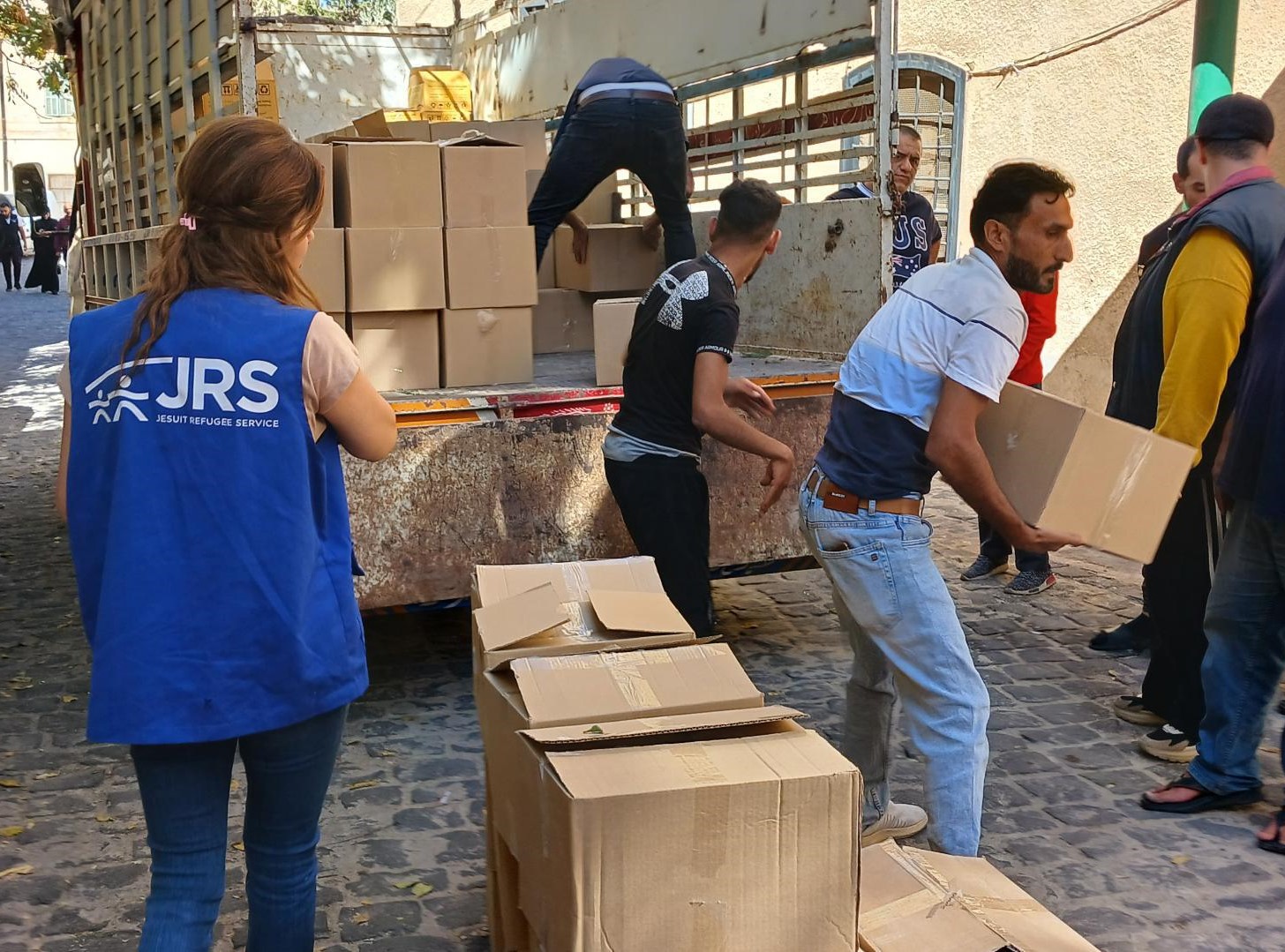
In Lebanon, for example, JRS teams are providing basic necessities to displaced families, including food, hygiene supplies, mattresses, and bedding for those sheltering in safer areas.
Across the region, JRS programs focus on restoring stability and dignity through services such as:
- Emergency assistance and distribution of essential supplies
- Education programs for children and young adults
- Mental health and psychosocial support
- Livelihood and skills training programs
- Community accompaniment and protection services
JRS currently works in several Middle Eastern countries including Lebanon, Syria, and Jordan providing humanitarian assistance to refugees, internally displaced people, and vulnerable host communities.
Supporting Communities Through Crisis
In many communities, JRS programs provide a lifeline for families facing displacement.
Education programs help children continue learning despite conflict. Mental health and psychosocial services support people coping with potential trauma and loss. Livelihoods programs help displaced adults rebuild stability and independence for their families.
These efforts are essential for restoring hope in communities where years of instability have disrupted everyday life.
Why This Crisis Matters Beyond the Region
Humanitarian crises in the Middle East often have global consequences. Large-scale displacement affects regional stability, humanitarian systems, and migration patterns around the world.
Many people who flee conflict initially seek safety in neighboring countries. Others may eventually pursue protection or resettlement opportunities farther away, including in the United States.
International humanitarian assistance plays a critical role in helping displaced communities remain safe and rebuild their lives closer to home. Programs that provide shelter, education, healthcare, and mental health support help stabilize communities and reduce further displacement.
The Impact of U.S. Foreign Aid Changes
The humanitarian response to crises in the Middle East is also shaped by international funding. In 2025, the United States implemented significant reductions to foreign assistance programs as part of a broader review of global aid spending.
Because the United States has historically been the largest single donor to international humanitarian assistance, changes in U.S. foreign aid can have ripple effects across global relief efforts.
Humanitarian organizations working in refugee-hosting countries such as Lebanon and Jordan have reported that funding reductions are forcing programs to scale back services, reduce staff, or prioritize only the most urgent forms of assistance.
For those already facing displacement, reduced humanitarian funding can mean fewer education opportunities for children, limited access to mental health services, and fewer resources for emergency support.
For organizations like Jesuit Refugee Service, sustained international solidarity remains essential. Humanitarian assistance helps stabilize communities, prevent further displacement, and support families rebuilding their lives after conflict.
Standing with People Forced to Flee
As violence and instability continue to affect communities across the Middle East, the needs of displaced families remain urgent.
Jesuit Refugee Service continues to accompany refugees and other forcibly displaced people in the region providing emergency assistance, education, and support to help communities rebuild their lives with dignity.
Even amid uncertainty and displacement, local communities, faith organizations, and humanitarian workers continue to stand alongside those forced to flee.
Frequently Asked Questions About the Middle East Crisis
Why are people being displaced in the Middle East?
People across the Middle East are being displaced due to armed conflict, political instability, and economic crises. Violence in countries such as Syria, Iran, Iraq, along with recent escalations affecting Lebanon, has forced people to flee their homes in search of safety.
How many refugees are in the Middle East?
The Middle East hosts millions of refugees and displaced people. Countries like Lebanon and Jordan host large refugee populations, particularly people who fled the war in Syria. Lebanon has one of the highest refugee populations per capita in the world.
What does Jesuit Refugee Service do in the Middle East?
Jesuit Refugee Service supports refugees and displaced communities through education, mental health and psychosocial support, emergency assistance, and livelihood programs. JRS teams work directly with local communities to help families rebuild stability and dignity after displacement.
How do changes in foreign aid affect humanitarian response?
When major donors reduce humanitarian funding, organizations may be forced to scale back services or prioritize only the most urgent needs. This can limit access to essentials like shelter support, education programs, and mental health services for displaced families.
Sources
The data referenced on this page comes from international humanitarian agencies and reputable reporting tracking displacement and refugee trends in the Middle East.
- UNHCR: Middle East and North Africa Regional Overview
- UNHCR Syria Regional Refugee Response Portal
- UNHCR Syria Country Overview
- UNHCR Lebanon at a Glance
- Reuters reporting on recent displacement in Lebanon
- Jesuit Refugee Service International: Middle East Crisis Overview
Learn More