JRS/USA & GCE-US Interview on Funding Rescissions Fallout | UPI
06 August 2025|UPI | Bridget Cusick, Donald Kerwin, and Giulia McPherson
Foreign Aid Rescissions 2025: UPI Interview Overview
Aug. 6 (UPI) — Cuts to foreign aid continued with the passage of the rescissions package by Congress in July, pulling back the U.S. presence in the international humanitarian arena.
About $7.9 billion in aid funding that was previously approved by Congress has been canceled at the behest of President Donald Trump and the Trump administration. The funding cuts a majority of the federal government’s support for international education programs and makes deep cuts to development, refugee programs and health services.
Two of the largest single rescissions in the bill are the $2.5 billion in economic assistance funding and $1.65 billion in bilateral economic assistance funds. It also rescinds an unobligated balance of $500 million from global health programs outlined in the Continuing Appropriations Act of 2025. Another $800 million in unobligated funding is rescinded from the State Department’s migration and refugee assistance program.
“These funds save lots and lots of lives,” Don Kerwin, vice president of advocacy, research and partnerships for Jesuit Refugee Service, told UPI.
The rescission of congressional funding is a continuation of the Trump administration’s peeling back of foreign aid funding that began swiftly after his inauguration. According to research by the Boston University School of Public Health, the administration’s cuts to the U.S. Agency for International Development are estimated to result in 400,000 deaths.
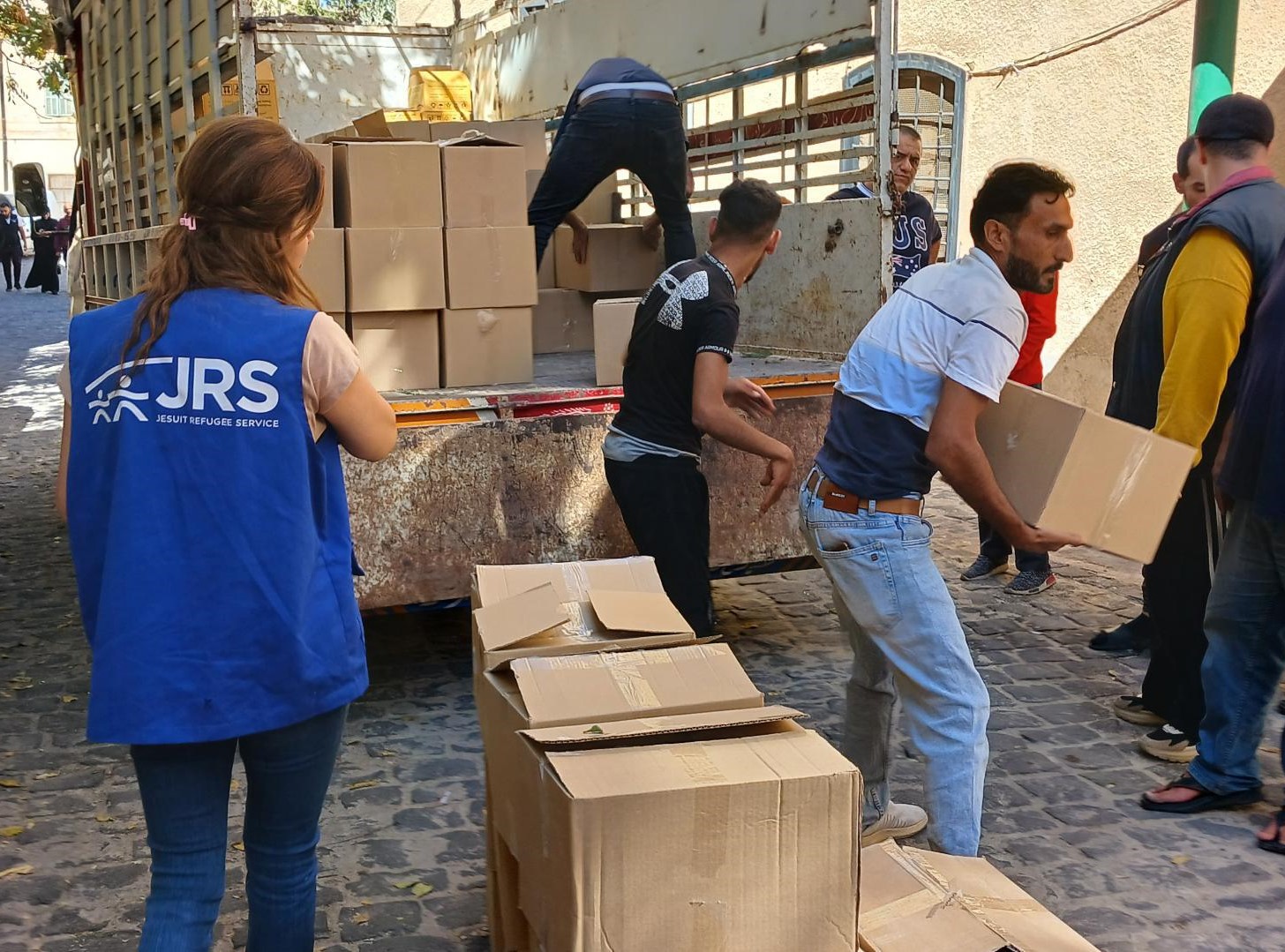
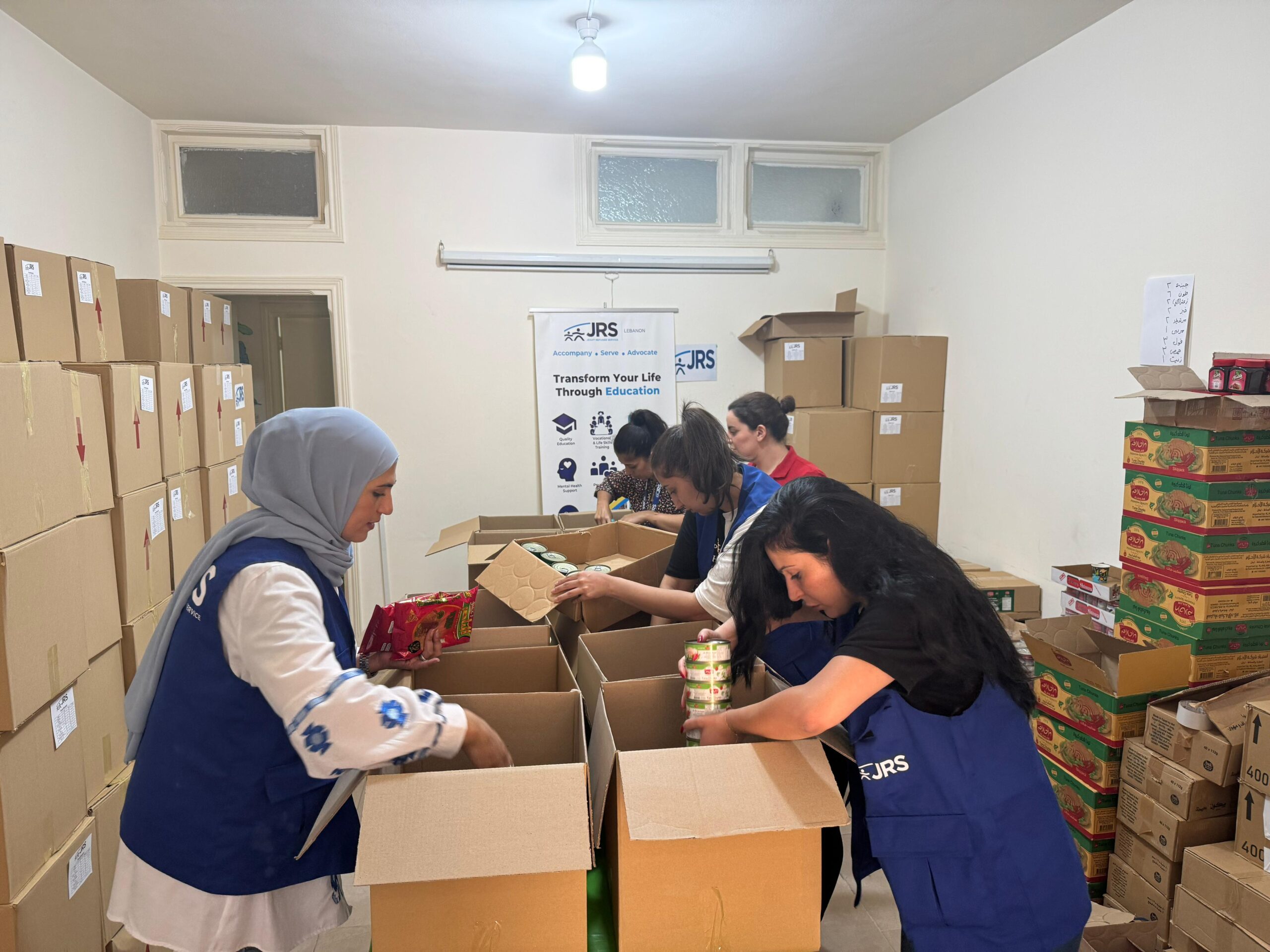
Jesuit Refugee Service supports refugees in 58 countries. Its programs provide medicine, medical transportation, food, nursing care and other lifesaving support to people who have been displaced or are at risk of displacement, human trafficking and death.
Seven of its nine cooperative agreements with the State Department’s Bureau of Population, Refugees and Migration have been canceled this year, Kerwin said.
“Very early on we started to get the notice that everybody got, that this was going to be paused,” he said. “There was going to be a review process. Lifesaving services, there would be a waiver for them. We scrambled to address and describe how our various services are lifesaving.”
“That didn’t seem to matter at all,” Kerwin continued. “Before there was a response to that, we were getting denial notices and termination notices. It turns out it was kind of a fraudulent process.”
Some of the programs that have had cooperative agreements canceled survived thanks to fundraising, according to Bridget Cusick, vice president of marketing, communications and outreach at Jesuit Refugee Service. Some of those programs have been scaled back in order to continue.
“The word we’ve been using is ‘preservation,'” Cusick told UPI. “How can we keep programming as much as we can? The reductions, even with the incredible generosity of our donors who really stepped up to fill those gaps, the reductions were heartbreaking in a lot of places.”
Explore more