Reject Harmful Immigration Enforcement Funding
Vote No on a Reconciliation Bill That Funds Enforcement Over Human Dignity
Following the White House’s decision to drop its “anti-weaponization fund” that halted movement on Congress’s reconciliation bill two weeks ago, Congress is now moving fast to vote on the reconciliation bill $70z+ billion in additional funding to Immigration and Customs Enforcement (ICE) and Customs and Border Protection (CBP) — with no meaningful reforms or accountability measures attached. This comes on top of the $170 billion already allocated to these agencies through last year’s reconciliation bill.
During the Senate’s vote-a-rama process expected to begin this week (as soon as Wednesday), advocates should also be on alert for an amendment that would attach the Kayla Hamilton Act — legislation that, despite its stated child protection goals, would cause serious harm to unaccompanied migrant children and their families. Jesuit Refugee Service/USA urges advocates to contact their Members of Congress and urge them to vote no on this bill and oppose any amendment carrying the Kayla Hamilton Act.
What Is This Bill?
The FY 2026 immigration enforcement reconciliation bill would allocate approximately $70 billion in new mandatory spending to DHS enforcement agencies through 2035, including:
- $38.2 billion to Immigration and Customs Enforcement (ICE), expected to quadruple detention capacity through 2029
- $26 billion to Customs and Border Protection (CBP)
- $5 billion to the Department of Homeland Security (DHS)
- $1.5 billion to the Department of Justice
This legislation bypasses the annual appropriations process, which has historically produced bipartisan compromise, and instead uses the reconciliation procedure to push through a party-line spending bill focused almost entirely on immigration enforcement.
Why JRS/USA Opposes This Bill
It funds enforcement without safeguards or accountability.
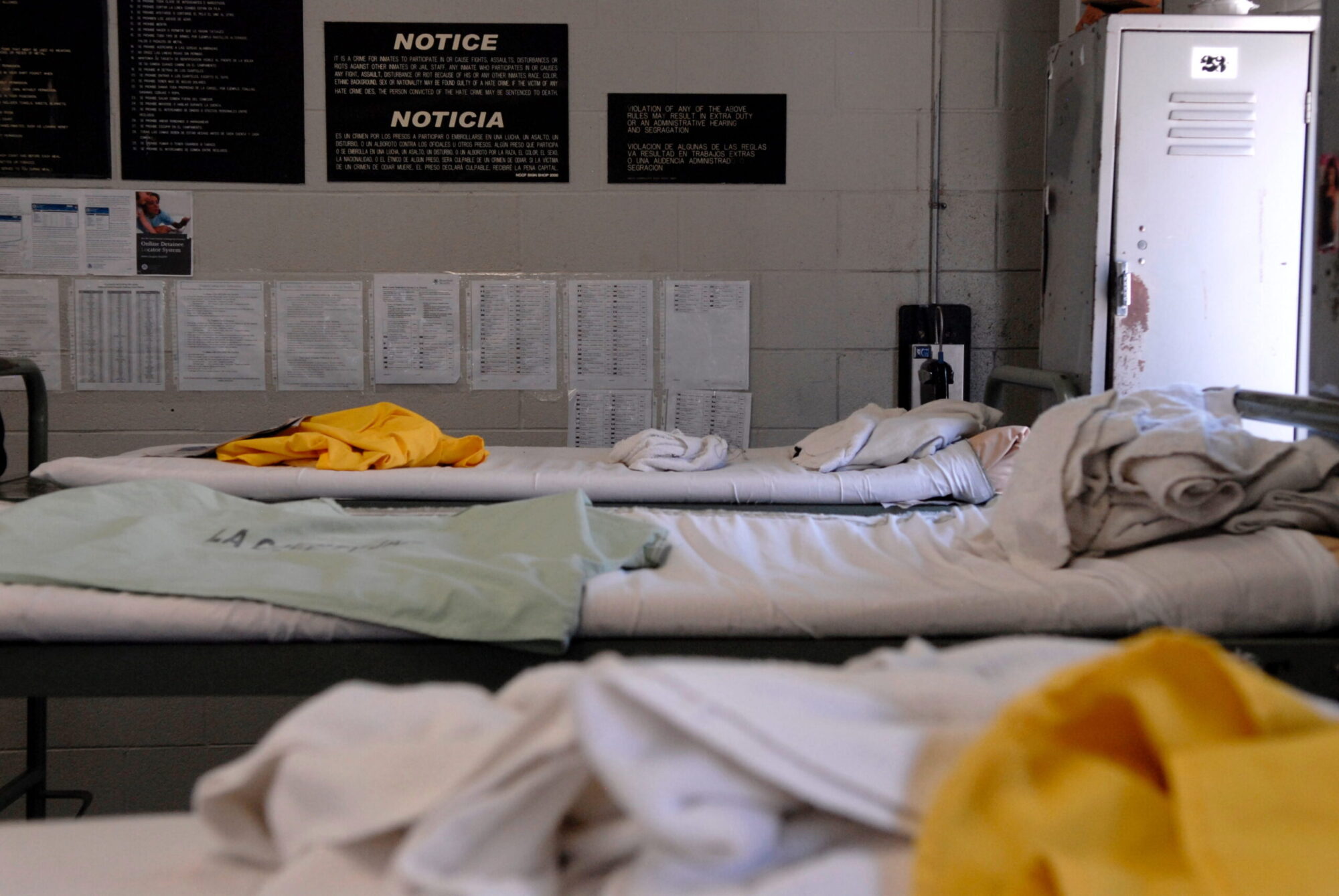
The consequences of unchecked immigration enforcement have become impossible to ignore. ICE and CBP agents have arrested long-term residents with no criminal history and even U.S. citizens. Detainees in immigration facilities have been denied access to legal representation, medical care, and religious worship. Deaths in ICE custody have reached record levels. Rather than respond to this crisis with meaningful reforms, this bill would pour billions more into the same agencies, without conditions or safeguards.
The U.S. Conference of Catholic Bishops (USCCB) has made clear that “an enforcement-only approach to immigration can never meet the demands of the moral law, nor does such an approach truly support the welfare and prosperity of American communities.” JRS/USA fully shares that view. The bishops have urged Congress to limit additional enforcement funding increases and to instead pursue bipartisan measures that ensure respect for the God-given dignity of every person — including, at minimum, the protection of sensitive locations such as houses of worship from enforcement actions absent exigent circumstances and guaranteed access to pastoral care for all detainees. This bill does none of that.
It Bypasses Appropriations and a Bipartisan Process
The reconciliation process removes the deliberative checks that appropriations procedures provide. Congress just reopened DHS after a 76-day shutdown — the longest in history — during which the public made clear that Americans across political lines want reforms to how ICE and CBP exercise their authority, not a blank check. This bill delivers that blank check anyway, bypassing opportunities for lawmakers to find common ground and enact the safeguards our communities need and deserve.
Oppose the Kayla Hamilton Act Amendment
During the Senate’s vote-a-rama process, Members of Congress may also consider an amendment that would attach the Kayla Hamilton Act (H.R. 4371) to the reconciliation bill. JRS/USA urges advocates to oppose any such amendment.
The Kayla Hamilton Act purports to protect unaccompanied migrant children from trafficking and unsafe sponsors. Some of its provisions reflect legitimate child welfare goals. But others would cause serious harm to vulnerable children and their families, prioritizing immigration enforcement over children’s best interests.
Among its most troubling provisions, the bill would:
- Prohibit the release of a child to any sponsor who is not a U.S. citizen or lawful permanent resident, including the child’s own parents
- Bar placement with any person who has, or lives with someone who has, a conviction for certain crimes including minor offenses like shoplifting, again, even if that person is the child’s parent
- Require examination of all children over age 12 for undefined “gang-related tattoos or other markings,” raising serious concerns about invasive bodily searches and the detention of children based on appearance rather than reliable evidence
- Require the Department of Health and Human Services to share extensive information with DHS to facilitate immigration enforcement against potential sponsors and all adults in their households before a child can be released
Critics, including those who support targeted anti-trafficking reforms, argue that these provisions would expand detention of vulnerable children, undermine due process, and dismantle existing bipartisan child protection frameworks. Rather than implementing targeted procedural improvements, the bill subordinates children’s welfare to mass deportation goals.
JRS/USA believes that genuinely child-centered, targeted reforms to the unaccompanied children placement process are both possible and worth pursuing. We oppose the Kayla Hamilton Act as written because it would harm the very children it claims to protect, and we urge Congress to oppose any amendment attaching it to the reconciliation bill.
Why This Matters for People of Faith
JRS/USA walks alongside refugees, asylum seekers, and displaced people around the world — including those who have sought safety in the United States. We have witnessed firsthand the human cost of enforcement without accountability: families torn apart, individuals detained without access to counsel or clergy, people removed to countries where their lives are at risk. Funding ICE and CBP at these unprecedented levels — without reform, without safeguards, without any commitment to human dignity — will cause further harm to vulnerable people in our communities.
As people of faith, we believe that human dignity and national security are not in conflict. Both are possible. But this bill chooses neither; it simply funds an enforcement apparatus that has demonstrated, repeatedly, that it will act without restraint unless constrained by law.
Call to Action
Urge your Senators and Representatives to vote NO on the FY 2026 immigration enforcement reconciliation bill and to oppose any amendment attaching the Kayla Hamilton Act. Tell them that you expect Congress to pursue immigration policy that upholds human dignity, funds basic needs, and advances accountability — not a party-line spending bill that harms families and children.
FAQ
What is the reconciliation bill Congress is voting on?
The FY 2026 immigration enforcement reconciliation bill is a piece of legislation that would provide approximately $70 billion in new mandatory spending primarily to ICE, CBP, and DHS — without any accountability measures or reforms attached. It is being advanced through the budget reconciliation process, which requires only a party-line vote. In the Senate, legislation that is not strictly budget-related needs 60 votes to bypass the filibuster to end debate on a bill. Passing this funding through reconciliation would skirt that normal process.
Hasn’t Congress already funded immigration enforcement through reconciliation?
Yes. Last year’s reconciliation bill — the One Big Beautiful Bill Act (OBBBA) — allocated $170 billion to federal immigration enforcement agencies. This new bill would add another $70 billion on top of that, while simultaneously cutting social safety net programs and bypassing the bipartisan appropriations process.
What is the Kayla Hamilton Act and why does JRS/USA oppose it?
The Kayla Hamilton Act (H.R. 4371) amends existing federal law governing the placement of unaccompanied migrant children with sponsors. While some provisions reflect sound child welfare goals, others would cause serious harm. The bill would prohibit releasing children to sponsors — including their own parents — who are not U.S. citizens or lawful permanent residents, bar placement with anyone who has certain criminal convictions, including minor offenses, require examination of children over 12 for “gang-related” markings, and compel the sharing of potential sponsor information with immigration enforcement authorities. Critics argue these provisions would expand detention of vulnerable children, undermine due process, and prioritize enforcement over children’s welfare. JRS/USA agrees and opposes attaching this legislation to the reconciliation bill.
Why does JRS/USA oppose more immigration enforcement funding?
JRS/USA supports lawful, humane immigration enforcement. We strongly oppose enforcement funding that comes without safeguards, transparency, or accountability — particularly when the agencies in question have a documented record of denying detainees access to legal counsel, medical care, and religious services; arresting U.S. citizens; and contributing to record rates of death in custody. More money for the same broken system is not a solution.
What does the Catholic Church say about the reconciliation bill?
The U.S. Conference of Catholic Bishops (USCCB) has urged Congress to reject this bill and instead pursue a bipartisan process that advances the common good. The bishops have stated that an enforcement-only approach to immigration can never meet the demands of the moral law and that human dignity and national security are not in conflict. Pope Leo XIV has affirmed that authentic democratic governance must be guided by the political will to promote the integral development of every person.
Does opposing this bill mean opposing border security?
No. JRS/USA supports lawful immigration systems, orderly borders, and effective oversight of immigration agencies. We oppose legislation that funds enforcement without accountability and that advances a mass deportation agenda at the expense of basic human needs — particularly when it bypasses the bipartisan process that has historically produced more balanced policy outcomes.
What would JRS/USA like to see instead?
We urge Congress to pursue bipartisan immigration legislation that expands lawful pathways, prioritizes removal of individuals who actually pose a risk to public safety, protects people fleeing persecution, ensures accountability for enforcement agencies, protects access to sensitive locations and pastoral care for detainees, and addresses the rising costs and shrinking safety net that are squeezing American families.
What will my message to Congress do?
Your message tells your Members of Congress that constituents are watching, that you expect them to uphold human dignity over political expediency, and that a vote for this bill — or for an amendment attaching the Kayla Hamilton Act — is a vote against the communities that depend on them to govern with integrity.