Our Work
Helping refugees heal, learn, and determine their own future
Jesuit Refugee Service/USA supports refugees and other forcibly displaced people by providing education, mental health support, humanitarian assistance, and advocacy for their rights and dignity. As part of the global Jesuit Refugee Service network, JRS accompanies displaced communities in more than 55 countries around the world.
Through local partnerships and community-based programs, JRS works alongside refugees to help them rebuild their lives, access opportunity, and find stability after displacement.
What Does Jesuit Refugee Service Do?
Jesuit Refugee Service works with refugees and displaced people by accompanying them through crisis, serving their immediate and long-term needs, and advocating for systems that protect human dignity.
- Providing access to education for displaced children and youth
- Offering mental health and psychosocial support
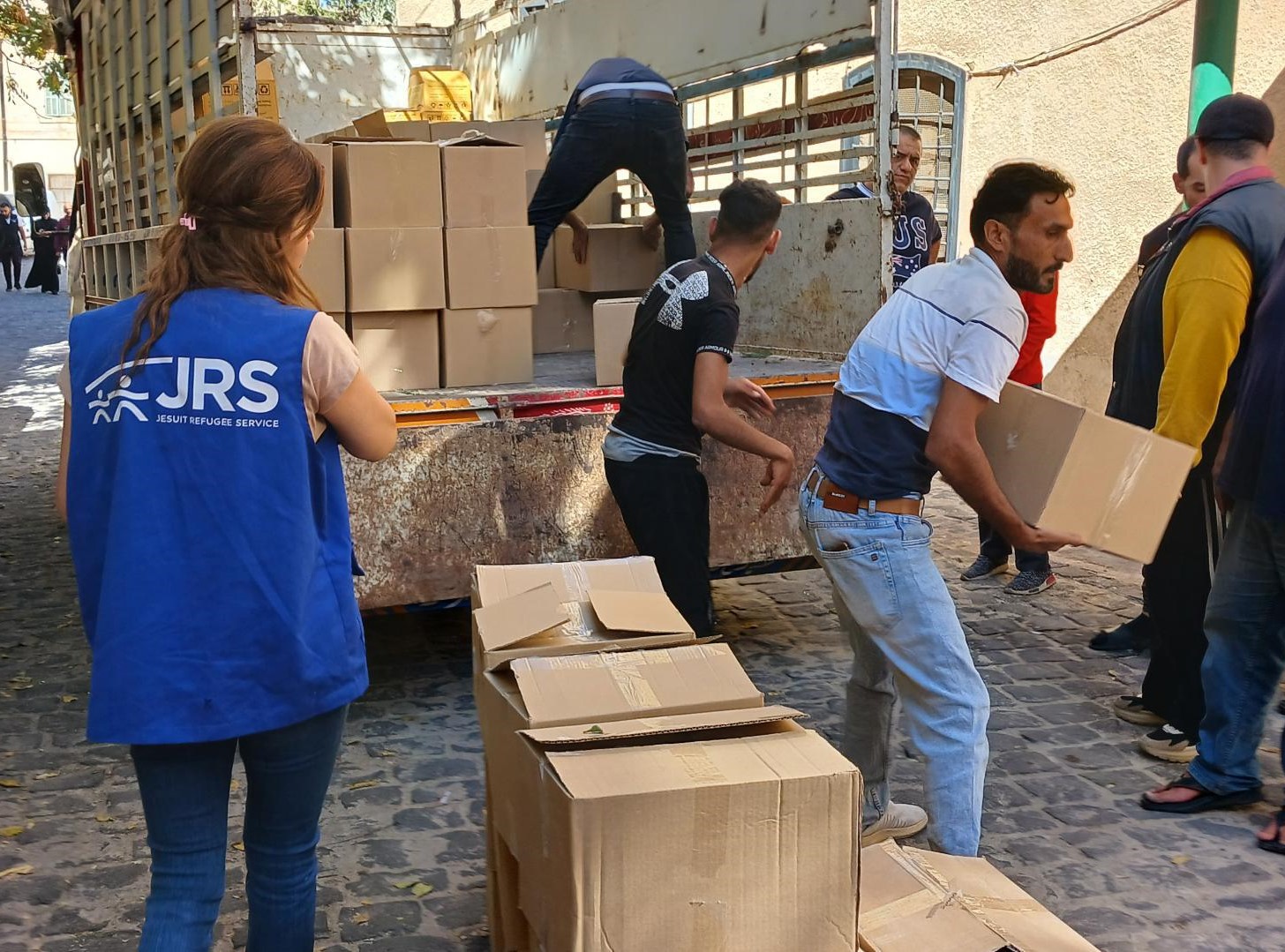
- Delivering humanitarian assistance during emergencies
- Supporting livelihood and self-reliance programs
- Advocating for refugee protection and humane migration policies
These efforts help refugees regain stability, strengthen communities, and build pathways toward long-term opportunity.
Education Programs for Refugees
Education is one of the most powerful tools for rebuilding stability after displacement. Jesuit Refugee Service provides education programs that help children, youth, and adults continue learning despite the disruption caused by conflict or forced migration.
JRS education initiatives include:
- Primary and secondary education programs
- Teacher training and curriculum support
- Higher education and scholarship opportunities
- Digital learning and distance education
- Skills training and vocational education
These programs help displaced students develop the knowledge and skills they need to shape their futures and contribute to their communities.
Learn more about our education work here.
Mental Health and Psychosocial Support
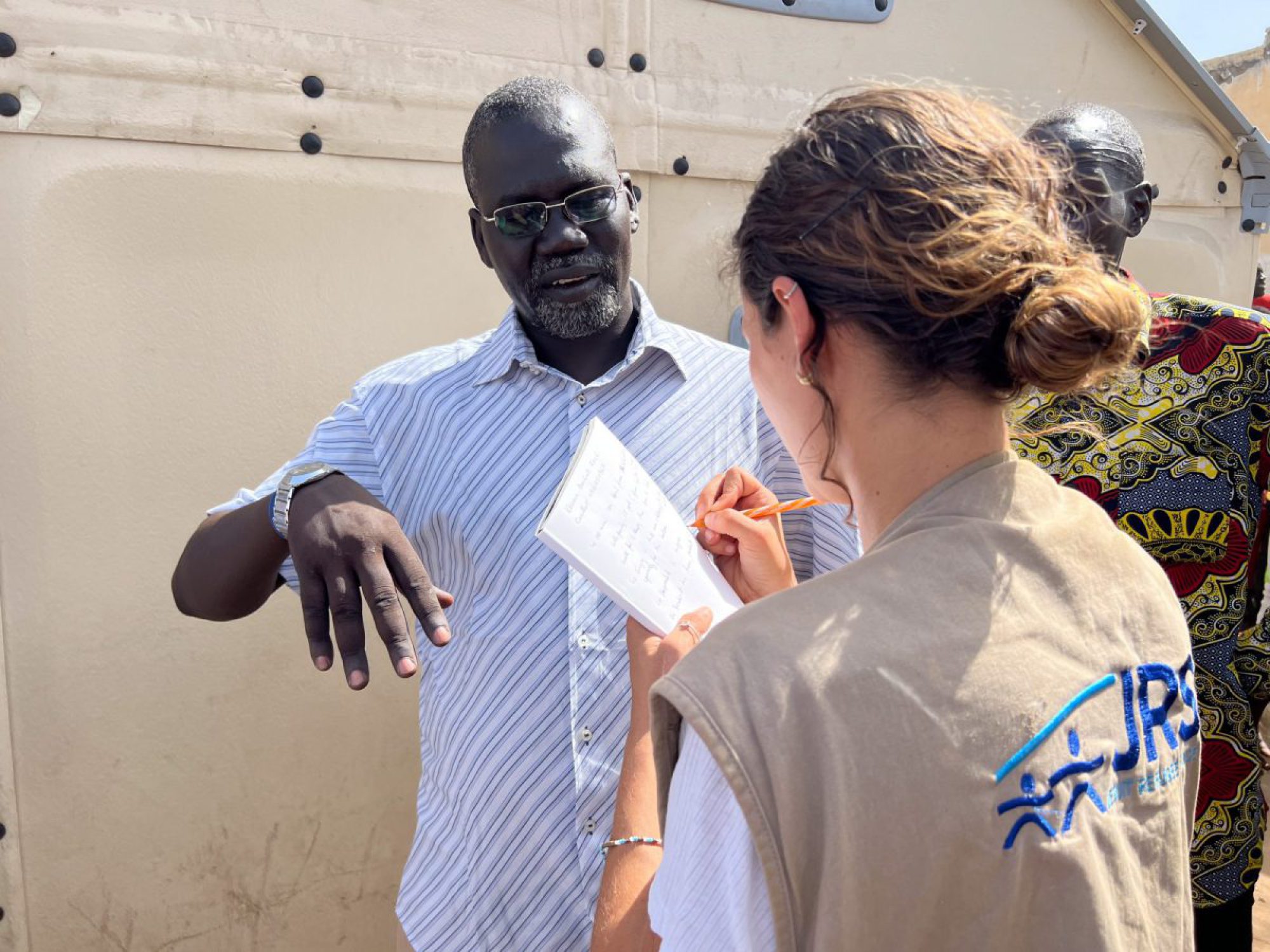
Many refugees experience trauma related to conflict, displacement, and prolonged uncertainty. Jesuit Refugee Service provides mental health and psychosocial support that helps individuals and families heal and regain resilience.
Programs may include:
- Counseling and psychological support services
- Community-based support groups
- Trauma-informed care for children and youth
- Training for local staff and community leaders
These services help displaced individuals process difficult experiences and rebuild a sense of safety and community.
Learn more about JRS Mental Health and Psychosocial Support (MHPSS) programs here.
Emergency Humanitarian Assistance
When conflict or crisis forces people to flee their homes, immediate humanitarian assistance is essential. JRS works with local partners to provide life-saving support to displaced families.
Emergency assistance may include:
- Food and nutrition support
- Safe shelter and essential household items
- Medical and health services
- Protection services for vulnerable individuals
These responses help stabilize communities and ensure that basic needs are met during periods of acute displacement.
Learn more about JRS Emergency Assistance here.
Livelihood and Self-Reliance Programs
Beyond emergency aid, JRS programs help refugees build long-term stability and independence. Livelihood initiatives support displaced individuals as they develop skills and pursue economic opportunity.
Programs may include:
- Job skills training and entrepreneurship support
- Small business development programs
- Financial literacy training
- Community economic development initiatives
These efforts help refugees support themselves and contribute to the communities where they live.
Learn more about our Livelihoods programs here.
Advocacy for Refugee Protection
In addition to humanitarian programs, JRS advocates for policies that protect refugees and uphold human dignity. JRS/USA works with faith communities, policymakers, and civil society partners to promote humane migration systems and durable solutions for displaced people.
Advocacy priorities include:
- Protecting access to asylum and refugee protection
- Supporting humane immigration policies
- Promoting international responsibility-sharing for refugee protection
- Encouraging policies that allow refugees to rebuild their lives
Through advocacy, JRS works to ensure that displaced people are not only assisted but also protected by fair and humane systems.
Where Jesuit Refugee Service Works
Jesuit Refugee Service operates in more than 55 countries across Africa, the Middle East, Asia, Latin America, Europe, and North America. Programs serve refugees in camps, urban settings, and border regions where displaced communities are rebuilding their lives.
JRS works in close collaboration with local communities, churches, and humanitarian partners to ensure programs are responsive to local needs and grounded in accompaniment.
Frequently Asked Questions About JRS/USA’s Work
What does Jesuit Refugee Service do?
Jesuit Refugee Service accompanies, serves, and advocates for refugees and other forcibly displaced people. JRS programs focus on education, mental health services, humanitarian assistance, and policy advocacy that protects refugee rights and supports displaced communities rebuilding their lives.
Where does JRS work?
Jesuit Refugee Service operates in more than 55 countries worldwide across Africa, the Middle East, Asia, Europe, and the Americas. Programs serve refugees in camps, urban settings, and border regions where displaced communities are rebuilding their lives.
How does JRS help refugees?
JRS supports refugees through education programs, psychosocial and mental health services, emergency humanitarian assistance, and livelihood initiatives that help individuals regain stability and independence.
Why is education important for refugees?
Education provides stability and opportunity for displaced children and youth whose schooling has been disrupted by conflict or displacement. JRS education programs help students continue learning, build skills, and prepare for long-term self-reliance.
Learn More About JRS Programs
Explore additional resources about Jesuit Refugee Service programs and global refugee assistance:
Our Partners
Jesuit Refugee Service (JRS) is an international Catholic humanitarian organization founded in 1980 that accompanies, serves, and advocates for refugees and forcibly displaced people around the world. Its programs include education, mental health support, emergency assistance, livelihoods training, and policy advocacy.