How JRS implements humanitarian localization through accompaniment
01 April 2026|JRS International Office
This article was originally published by the JRS International Office.
What is localization in humanitarian aid?
In the humanitarian sector, localization refers to shifting power and resources to local actors in affected countries so they can lead and shape humanitarian responses. It focuses on strengthening local capacity, leadership, and funding to respond to crises and support long-term sustainability.
The localization agenda is often presented as a reform effort within the humanitarian system. For us at Jesuit Refugee Service (JRS), it is neither a reform project nor a transactional transfer of responsibility. It is a long-standing way of working grounded in accompaniment, local presence, and shared responsibility—walking and working with communities rather than for them, and shaping responses together through collaboration and co-creation.
The JRS approach to localization
At the heart of the JRS approach to humanitarian localization is accompaniment: being with people, rather than doing for them. This recognizes refugees and forcibly displaced people as rights-holders with knowledge, capacities, and leadership of their own.
From its early years, JRS has emphasized restoring dignity and hope. Bill Yeomans, SJ, of JRS Asia Pacific, reflected that assistance must be offered in a way that restores self-worth and rekindles hope. Today, this continues through presence, listening, and participation. As former International Director Mark Raper, SJ, has also noted, including refugees in planning and decision-making—and communicating transparently—are essential to this way of working.
Localization, in this sense, is relational rather than transactional, grounded in listening, trust, and shared humanity.

Cultivating agency and local leadership
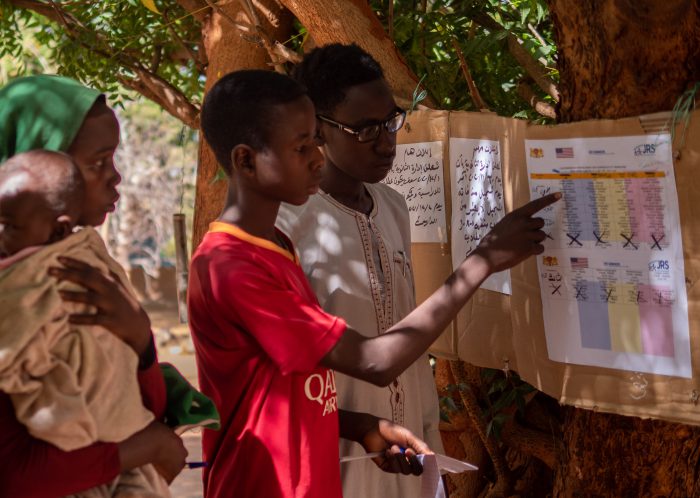
A core element of localization at JRS is agency. Displaced and host communities are not passive recipients of assistance; they are active participants in shaping responses, rebuilding lives, and strengthening social cohesion.
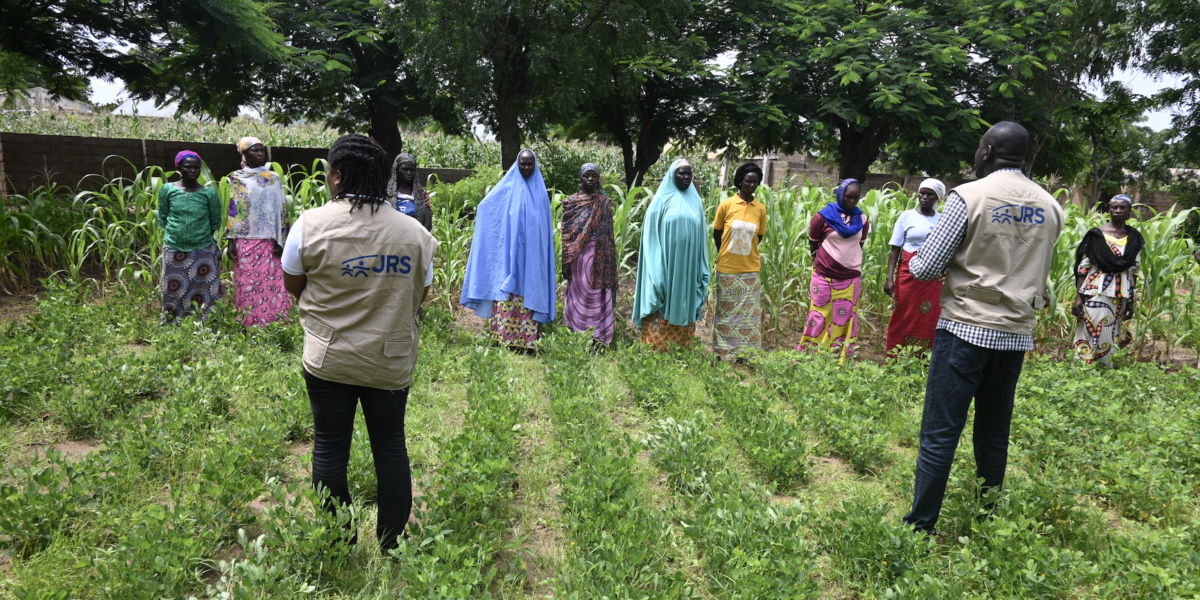
This includes supporting refugee-led, women-led, and community-based responses, and creating space for meaningful participation throughout the project cycle. It also involves recognizing the complementary roles of local, national, and international actors, and sharing leadership rather than concentrating it.
Faith-based and community actors often have deep roots in places affected by displacement and are among the first responders in times of crisis. In many contexts, local religious communities are the first places people turn to for protection, assistance, and counseling. Their proximity, trust, and contextual understanding are critical assets in complex and insecure environments.
At the same time, JRS recognizes the essential role of governments in protection and service delivery, particularly in health and education. Humanitarian localization requires close collaboration with national and local authorities to strengthen systems and uphold human rights obligations. It also requires sustained international engagement. International actors remain vital for multi-country learning, advocacy, and two-way knowledge exchange. Localization does not mean withdrawal; it means responsible partnership.

The challenges of localization in the current humanitarian context
If humanitarian localization is rushed or under-resourced, it can shift responsibility for refugee response to local actors without providing adequate support. This challenge is even more pressing in today’s constrained funding environment.
Poorly planned transitions can undermine access to education, health care, protection, and other essential services.
In contexts where international actors have historically operated parallel systems, transitions require careful planning and sustained investment. For JRS, localization involves deliberate and gradual transitions that strengthen systems rather than overwhelm them. International solidarity remains essential, including predictable funding, shared learning, and advocacy that connects local realities with decision-making spaces.

Examples of localization across JRS’s work
Across programs and sectors, localization shapes how JRS works rather than existing as a separate layer of activity.
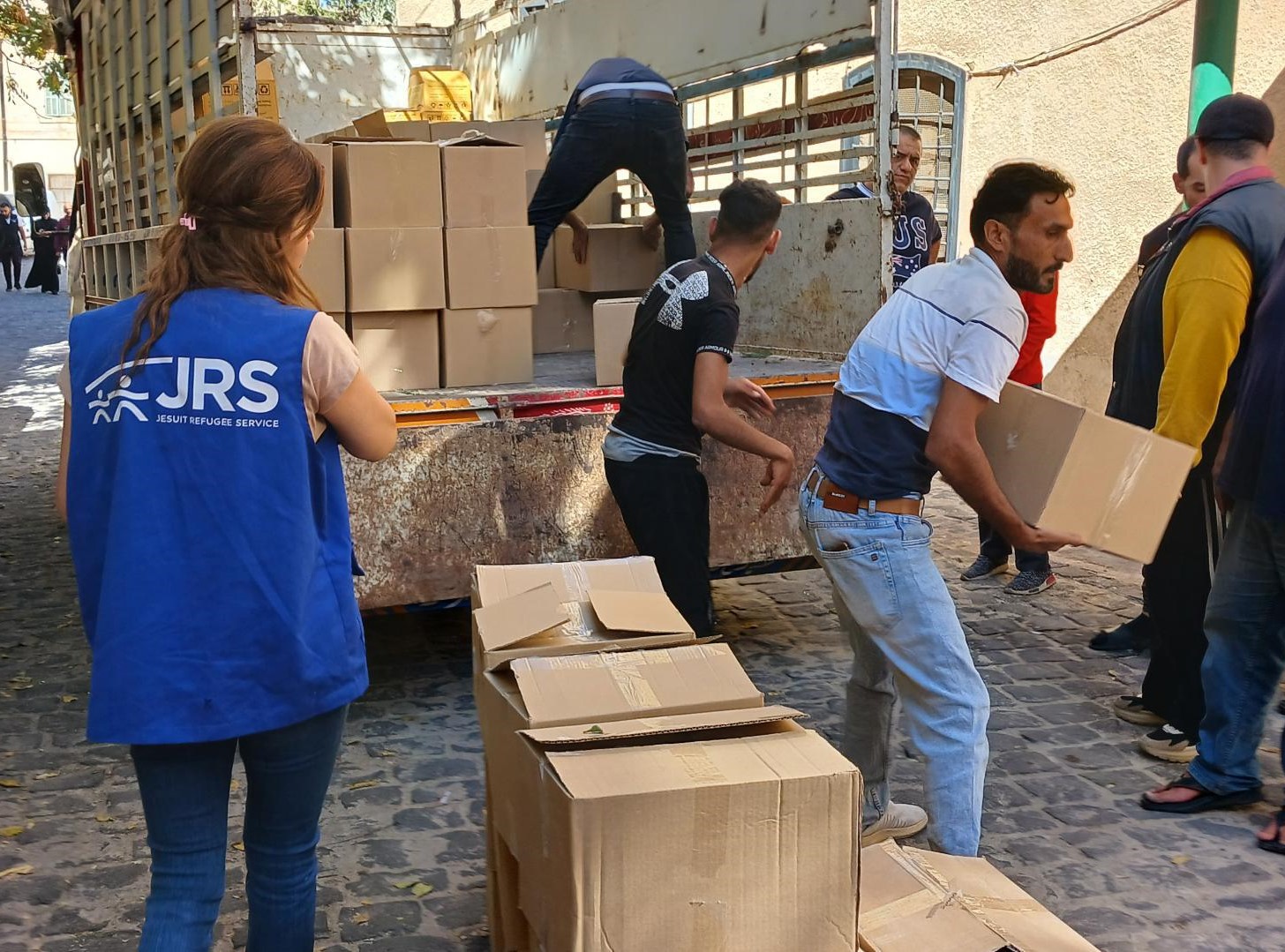
JRS operations are embedded in local contexts. They are largely led by local staff—including people with lived experience of displacement—and carried out in close partnership with local organizations, Church actors, and Jesuit networks. Supported by a global framework, JRS centers its work on accompaniment and on the capacities, agency, and wisdom of forcibly displaced communities to meaningfully shape decisions that affect their lives.
Through accompaniment, JRS remains committed to localization that is relational, just, and transformative.