At the Intersection of Jesuit Values and Social Justice, a Reflection on IFTJ
25 November 2025|Alie McDougall

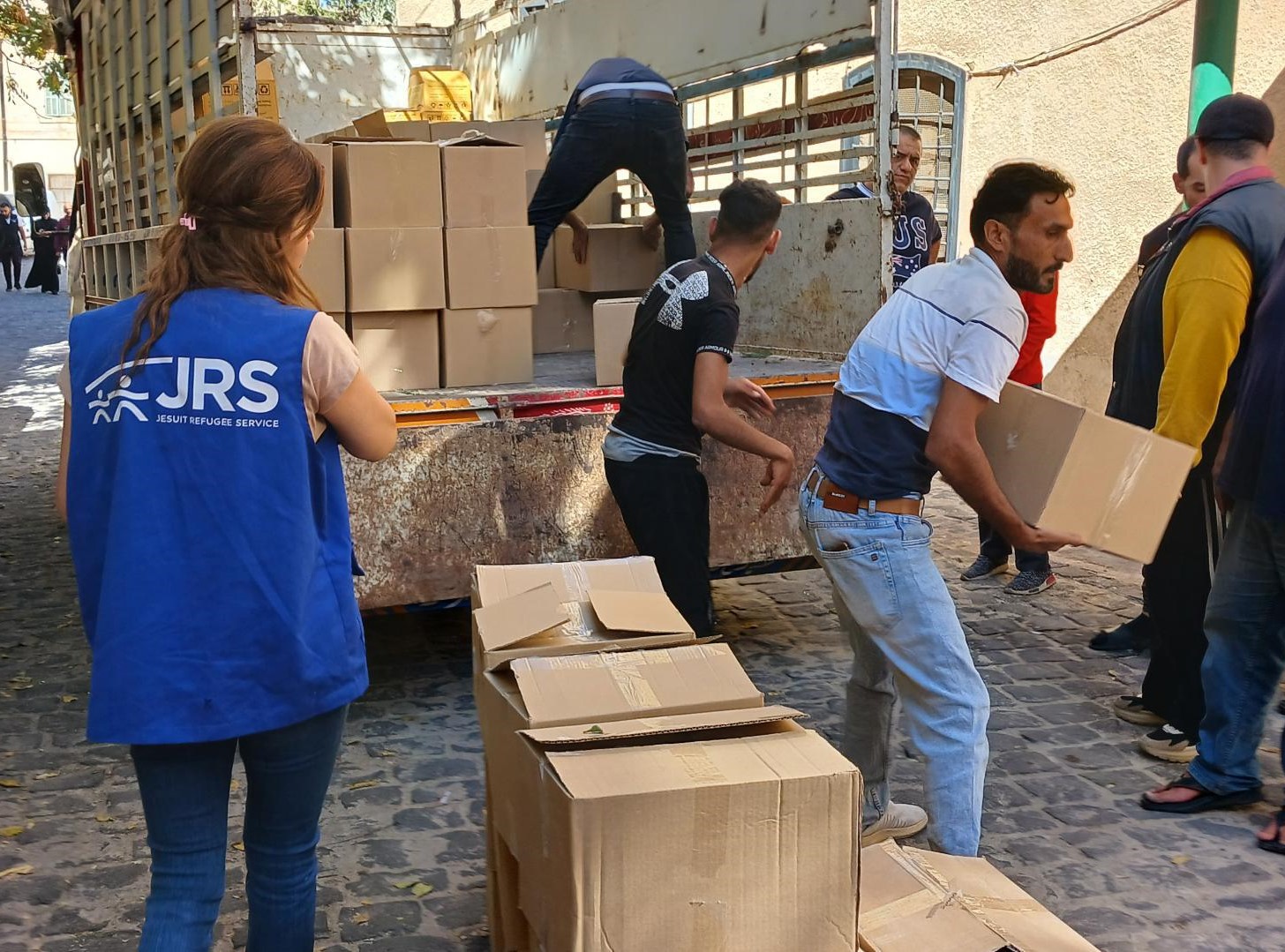
I began working as an intern for the Jesuit Refugee Service (JRS) last year during my semester abroad in Italy. Concepts I had once encountered only in textbooks including global conflict, famine, and persecution suddenly had names, faces, and stories. JRS brought these realities off the page and into my daily life. In witnessing their work, I saw a profound merging of faith and justice, an embodiment of what it truly means to be for and with others in the pursuit of a more just world.
Drawn deeper into the intersection of Jesuit values and social justice, this fall I decided to attend the Ignatian Family Teach-In for Justice (IFTJ). I was honored to be selected to represent Loyola Chicago at the conference in Washington, D.C. I joined hundreds of students from Jesuit high schools and universities across the country for the 28th annual gathering. It was a community united in prayer, song, learning, and advocacy. The weekend was a powerful reminder that justice work is both urgent and communal. The theme, pressing on, echoed through every keynote and workshop, calling students, faculty, organization leaders, and parish members to persist in demanding change, even when the obstacles feel unending.
One of the most transformative moments of the weekend came during Father Greg Boyle’s keynote. He challenged us not simply to care from a distance, but to stand at the margins with those most impacted. Through the stories of the current and former gang members he accompanies, he revealed how systems of oppression begin to unravel when we recognize the inherent dignity and giftedness of each person. His words have stayed with me: “Systems change when people change, and people change when they are cherished.” It was, to me, both heartbreaking and profoundly hopeful as a reminder that at the root of injustice lies a deficit of love, and that small, consistent gestures of inclusion and uplift can be catalysts for wider transformation.
Throughout the weekend, I attended breakout sessions on topics ranging from the impact of current narratives surrounding migration to Ignatian formation in the age of AI to changes in SNAP benefits. Each session pushed me to ask harder questions and reminded me that curiosity is not optional in social justice work but it is required.
By learning from one another’s experiences and insights, we maintain perspective, humility, and momentum. This collaborative spirit came alive during the last day of the Teach-In – Advocacy Day on Capitol Hill, where our Loyola Chicago delegation met with congressional staffers to discuss migration and environmental legislation. We took turns sharing personal stories, humanizing the issues and grounding each conversation in lived experience.
Yet, I found, the heart of the weekend was in the conversations between sessions, in the simple act of meeting others who are also striving toward justice. I entered the conference with a goal of speaking to ten new people and far surpassed it. As keynote speaker Yunuen Trujillo reminded us, we must challenge the divisions we inherit or internalize. When we look beyond what separates us, we begin to recognize all that we share. The conversations I had, each unique in story but united in purpose, revealed a common thread: a desire to serve, to stand with others, and to dismantle unjust barriers.
The weekend was unforgettable. I, along with the 2,000 other attendees, have returned to our campuses and communities renewed and inspired. Whether through awareness-raising, community organizing, or continued advocacy, we are pressing on; we are sustained by faith, grounded in justice, and committed to walking with others toward a more compassionate world.
Explore more