JRS Uganda: Helping Refugee Families Build Food Security
05 November 2026|Chloe Gunther
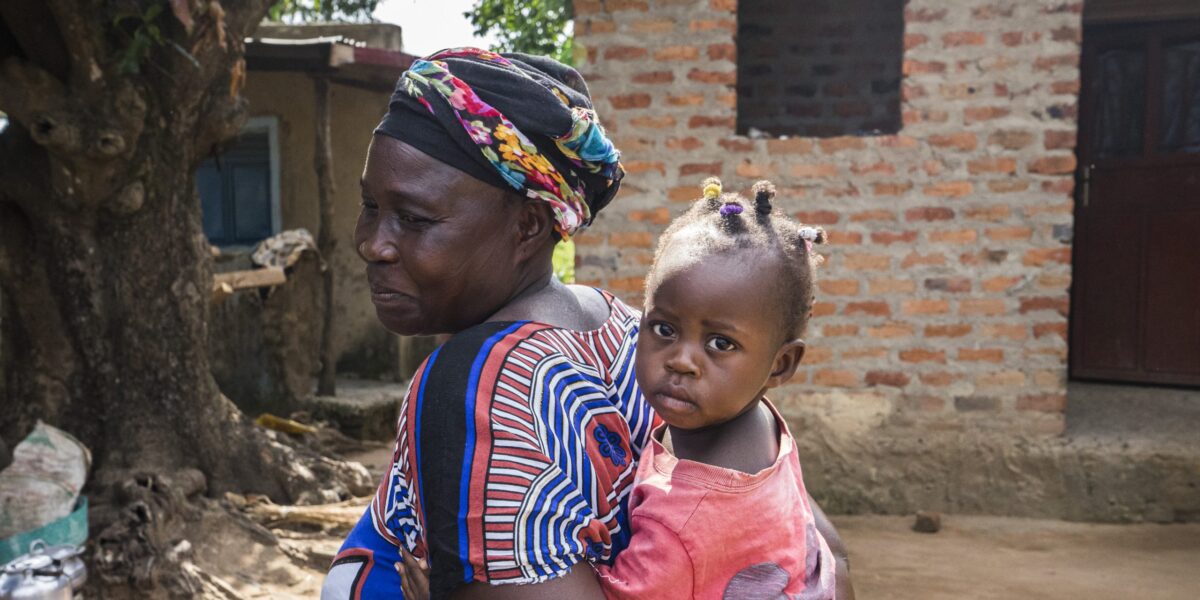
When a teacher at a Jesuit Refugee Service (JRS) daycare in Kampala, Uganda, noticed seven-month-old Julian* was not meeting developmental milestones, the team reached out to his mother.
With support from the JRS team, his mother sought medical attention at a local hospital, where Julian was diagnosed with malnutrition.
The daycare program provides space for mothers to pursue education and career opportunities. His mother was already participating in JRS’ Fashion and Design course, where she was learning tailoring skills to help support herself and her son.
Upon Julian’s diagnosis, JRS began providing the baby nutrient-rich supplements and giving nutritional guidance to his mother. His health has improved significantly, the team reports. Now nearing his first birthday, he is active, able to participate in age-appropriate activities, and reaching developmental milestones.
This family’s experience is an example of what last year’s Giving Tuesday support helped make possible. Following the campaign, which raised more than $68,000, JRS Uganda implemented this program to address malnutrition among refugee and host community families in Uganda’s capital, Kampala, and in the northern district of Adjumani.
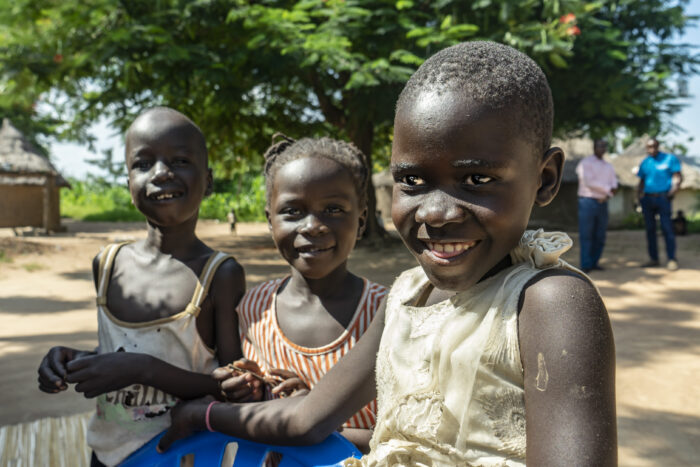 Through a combination of nutritional support, caregiver education, and livelihoods interventions, JRS has assisted 185 malnourished children and their mothers. Of those reached, 161 were refugees and 24 were members of the host community.
This program reflects the understanding that addressing malnutrition requires more than providing food supplements. For many refugee households, persistent food insecurity makes it difficult to maintain a nutritious diet, even as children receive targeted nutritional assistance.
To help address this challenge, JRS has paired direct nutritional support with educational, agricultural and other livelihood opportunities for families.
In the refugee settlements of Ayilo I and II and Boroli, JRS partnered with local community members and chapel catechists to identify 102 refugee households that should be granted the use of farmland for one year. The program also distributed agricultural tools and seeds, including sorghum, pigeon peas, groundnuts, and maize.
Alongside agricultural assistance, JRS livelihoods training programs have provided refugees with opportunities to develop skills that can earn them an income. For Julian’s mother, the Fashion and Design course offers a way to work toward financial independence and provide for her son’s long-term nutritional needs.
And as families work toward these goals, JRS has not only provided support to address malnourishment but also provided mothers with supplements tailored to their needs and parents and caregivers’ new knowledge about appropriate infant and young child feeding, hygiene, sanitation, and medical needs.
Despite this progress, limited funding and rising costs have reduced the number of vulnerable children the program can reach. Agricultural activities have faced climate-related challenges; in Adjumani, a period of hot, dry conditions disrupted the first wet season, damaging crops and delaying planting, and pest infestations further threatened harvests.
Judith Alitiru, a mental health and psychosocial support coordinator in Adjumani, has worked directly with the community as they face these challenges. She recalled a grandmother caring for her twin grandchildren after her daughter tragically died a week after giving birth. When the twins were diagnosed with malnutrition, the grandmother connected with JRS and sought help through local health workers.
“Behind every child and mother facing malnutrition in the refugee context, there is a story of resilience and hope,” Judith said. “Listening to these mothers share their struggles and dreams, I was moved by their fierce determination to secure a better future for their children, no matter the obstacles.”
The funds JRS/USA supporters donated for last year’s Giving Tuesday helped JRS reach families in Uganda in need of nutritional assistance and opportunities to rebuild their lives. This year, our Giving Tuesday will go toward supporting our education, mental health and psychosocial support, and livelihood training programs in Ethiopia. We hope you will join us on December 1st.
*Name changed to protect safety and anonymity
Explore more