World Humanitarian Day
Why Humanitarian Aid Is Essential
Every year on World Humanitarian Day, we pause to honor humanitarian workers and recognize the essential role of aid in supporting communities facing displacement and crisis. As global emergencies escalate, the importance of humanitarian aid has never been more urgent. Beyond food and medical care, displaced families need education, psychosocial support, and opportunities for livelihoods to rebuild their lives.
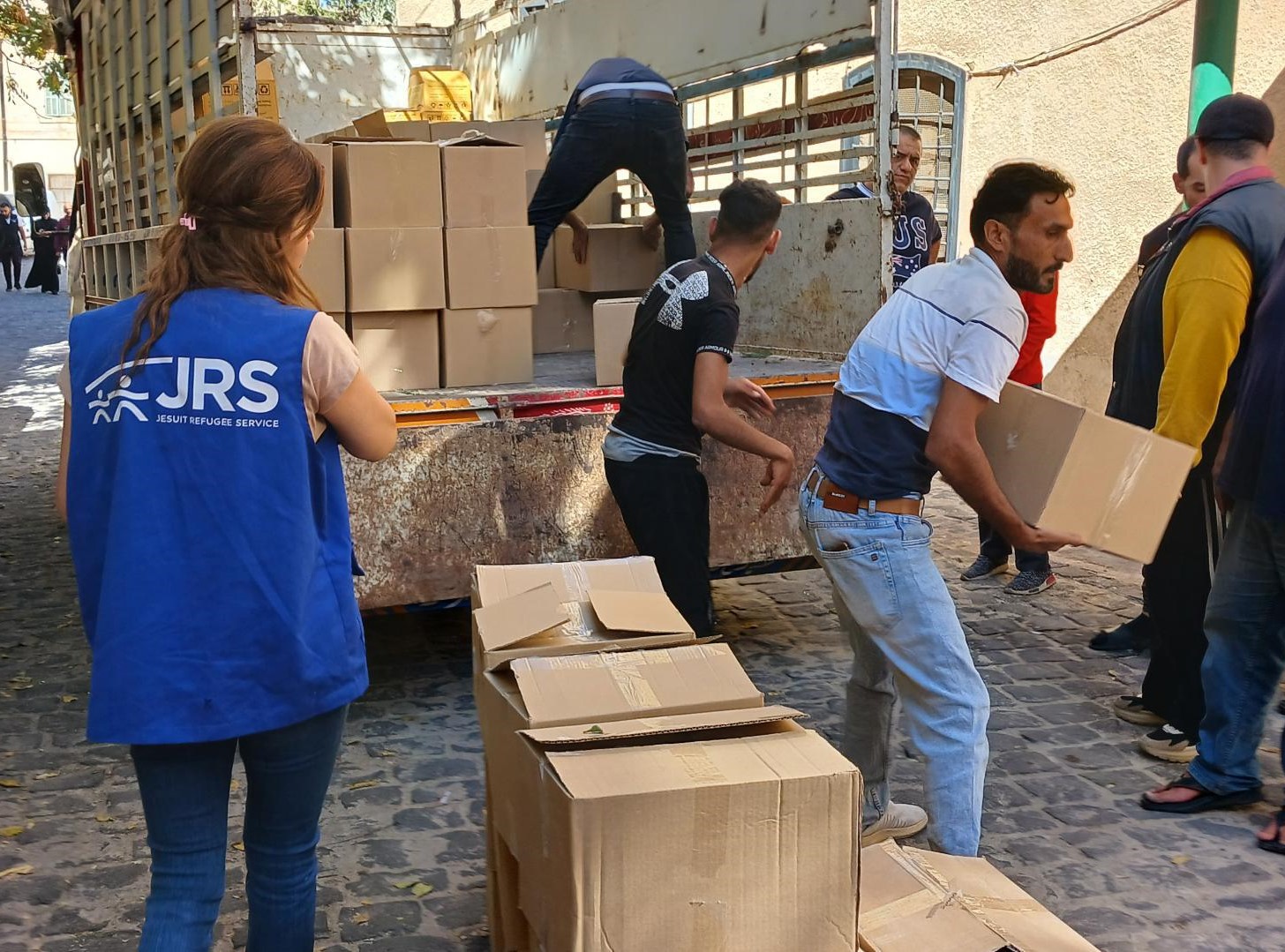
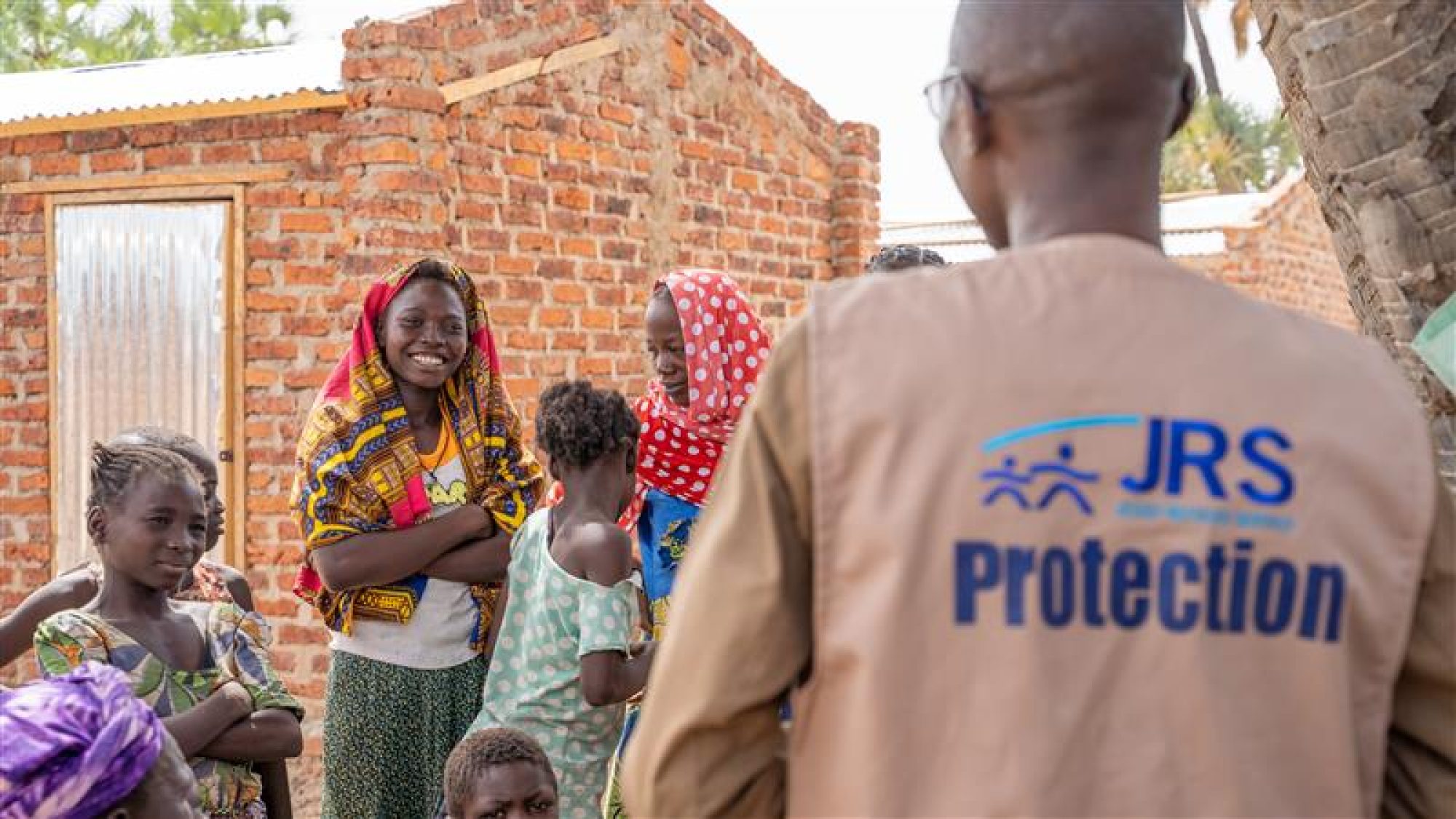
At Jesuit Refugee Service, our teams accompany, serve, and advocate for refugees across the globe. From shelters along the U.S.-Mexico border, to classrooms in Uganda, to outreach programs in India, humanitarian workers stand alongside families who have endured unimaginable journeys. Their presence ensures not only survival, but also dignity and hope for a better future.
This year, however, funding freezes and budget reductions have placed immense strain on humanitarian programs. Despite these challenges, JRS remains committed to providing vital assistance and strengthening community resilience. On this World Humanitarian Day, we invite you to learn why humanitarian aid is essential—and how, together, we can ensure displaced people continue to receive the support they deserve.
Jovana Nieto – JRS U.S./Mexico Border
Humanitarian work is vital here at the border community in El Paso, Texas, because we receive families who have travelled from countries across central and south America through very dangerous conditions looking for safety. We have to be able to offer them food, water, shelter, medical assistance, and spiritual accompaniment when they arrive so that they can heal from what they have just endured and prepare for the difficult road ahead as they seek safety in the United States.
So far, the worst moment for me has been watching these shelters in our communities close down one after another. The uncertainty of what will happen to our families, not knowing where they will sleep or if they will be safe has been the most difficult part.
Ankita Gupta – JRS India
Before the Stop Work Order of 24 January, JRS North East (NE) & JRS Delhi were actively supporting people fleeing the conflict in Myanmar and urban refugees from Afghanistan.
The announcement of the suspension came as a shock. We were forced to suspend all operations without any clarity on when activities might resume. Halting key services—such as community outreach activities, which are critical channels through which forcibly displaced people feel seen and heard – led to a sharp decline in regular interaction with the people served.
Christina Zetlmeisl – JRS Uganda
Throughout this period [since the suspension letter from the United States Government arrived until today], we came to realise that what had happened could also be seen as a potential opportunity – not just for us, but also for the people we serve. Some of them secured internship placements, some were able to continue their language courses by mobilising their community and finding financial resources to pay their teachers.
This experience revealed a new path forward – one that JRS is committed to exploring further. How can we continue to support communities in becoming more self-reliant and resilient with less available funding? We want to build on the resilience so far built with the people we have been working with.