Emergency Assistance
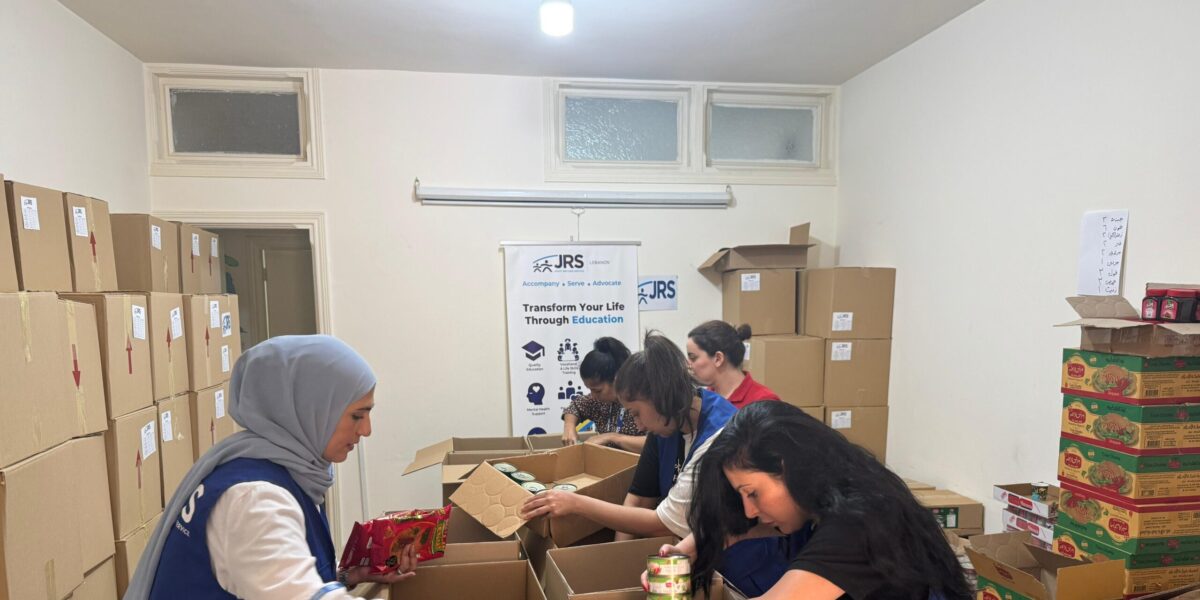
Jesuit Refugee Service (JRS) emergency assistance programs provide life-saving support to refugees and forcibly displaced people during the earliest and most dangerous stages of displacement. Through the provision of shelter, food, clean water, sanitation, and essential supplies, JRS helps ensure that families fleeing conflict and crisis can survive and begin rebuilding their lives.
Displacement often happens suddenly. Families may flee violence or persecution with little notice and few belongings, arriving in unfamiliar environments without access to basic services. JRS emergency programs respond to these urgent needs by delivering humanitarian assistance that protects life and restores dignity. These responses may include temporary shelter, cash assistance for essential needs, and the construction of basic infrastructure such as wells and sanitation facilities.
JRS Emergency Assistance: Quick Facts
- Program Focus: Life-saving humanitarian assistance during displacement crises
- Where Programs Operate: Refugee camps, conflict zones, urban displacement settings, and border regions
- Core Services: Shelter, food distribution, water and sanitation, essential supplies, and emergency cash assistance
- Goal: Ensure survival, dignity, and safety for refugees during humanitarian emergencies
Why Emergency Assistance Is Critical
The first stages of displacement are often the most life-threatening. Refugees may arrive in unfamiliar locations without food, water, shelter, or access to healthcare. Immediate humanitarian assistance is essential to prevent illness, malnutrition, and exploitation.
JRS emergency programs respond quickly when crises unfold, often with limited notice and short implementation periods. These interventions focus on meeting urgent needs while helping stabilize communities affected by conflict or disaster. :contentReference[oaicite:2]{index=2}
Global Displacement and Humanitarian Need
Across the world, millions of people are forced to flee their homes each year due to armed conflict, persecution, and humanitarian crises. During these emergencies, humanitarian organizations work to ensure that displaced families have access to food, shelter, and safe living conditions.
- Refugees often arrive in host communities with few belongings and limited access to resources.
- Emergency humanitarian support helps prevent disease, malnutrition, and exposure.
- Basic assistance creates the conditions needed for families to begin rebuilding their lives.
What JRS Emergency Assistance Provides
JRS emergency assistance programs provide critical services that help stabilize communities and protect vulnerable populations during humanitarian crises.
Shelter and Temporary Housing
JRS supports displaced families through temporary shelters, rental assistance, and safe housing solutions that provide protection during emergency situations.
Food and Essential Supplies
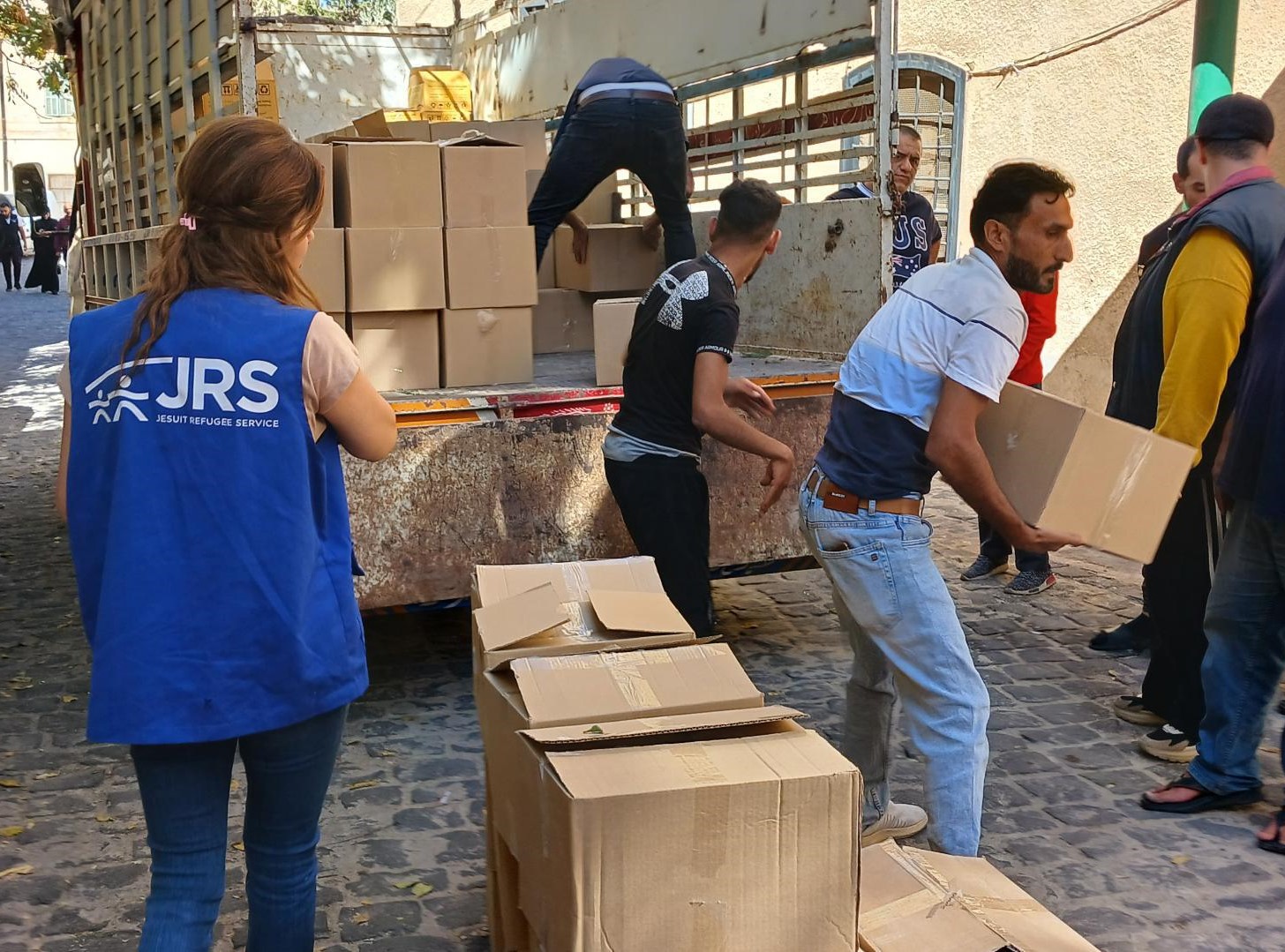
Emergency relief efforts may include food distributions and essential household items such as bedding, cooking supplies, and clothing.
Water, Sanitation, and Hygiene (WASH)
Access to clean water and sanitation facilities is essential during displacement. JRS programs may include building wells, installing sanitation infrastructure, and promoting hygiene practices that protect community health.
Emergency Cash Assistance
In some contexts, JRS provides cash assistance that allows families to meet urgent needs such as rent, food, and basic household supplies.
Protection of Vulnerable Groups
Emergency programs also prioritize the safety of children and women, who are particularly vulnerable during displacement and humanitarian crises.
How Emergency Assistance Connects to Long-Term Recovery
While emergency relief focuses on immediate survival, it also lays the foundation for longer-term recovery. Once urgent needs are met, refugees can begin rebuilding stability through services such as education programs, livelihoods initiatives, and mental health and psychosocial support.
These interconnected programs help refugees move from crisis toward resilience and long-term stability.
Related JRS Programs
Emergency assistance is part of JRS’s broader mission to accompany refugees and displaced communities.
- Education Programs – Learning opportunities help displaced children and youth continue their education during and after crises.
- Livelihood Programs – Skills training and economic opportunities help refugees rebuild independence.
- Mental Health and Psychosocial Support – Counseling and community support services help people heal from trauma caused by conflict and displacement.
Where JRS Provides Emergency Assistance
JRS emergency response initiatives operate across regions where refugees and displaced people are facing humanitarian crises.
Common Questions About Emergency Assistance
What is emergency humanitarian assistance?
Emergency humanitarian assistance refers to life-saving support provided during crises, including food, shelter, water, sanitation, and essential supplies.
Why do refugees need emergency support?
When people are forced to flee suddenly, they often lose access to housing, food, and income. Emergency assistance ensures that families can survive the earliest stages of displacement.
Frequently Asked Questions
What does JRS emergency assistance provide?
JRS emergency programs provide shelter, food, water, sanitation, essential supplies, and cash assistance for refugees and displaced communities.
Where does JRS provide emergency assistance?
JRS emergency response programs operate in regions affected by conflict and displacement around the world.
How quickly can emergency programs respond?
Emergency programs are often launched with limited notice and short implementation periods to respond rapidly to urgent humanitarian needs.
Sources
Program Stories