Ethiopia
Refugees in Ethiopia: How Jesuit Refugee Service Responds
Ethiopia hosts one of the largest refugee populations in Africa, with people fleeing conflict, instability, and climate-related crises across the region. Jesuit Refugee Service (JRS) accompanies refugees in both urban areas and camps through education, mental health support, emergency assistance, and livelihood programs that promote dignity and long-term stability.
Support Refugees in Ethiopia
View Full Country Report
Explore JRS Ethiopia
Quick Facts
- Ethiopia hosts more than one million refugees and asylum seekers
- Refugees primarily come from South Sudan, Somalia, Eritrea, and Sudan
- JRS operates in both refugee camps and urban settings
- Core programs include education, psychosocial support, livelihoods, and emergency assistance
OUR WORK IN ETHIOPIA
Ethiopia is one of the largest refugee-hosting countries in Africa, providing shelter to people fleeing conflict and instability in neighboring countries. Many refugees arrive after experiencing violence, displacement, and prolonged uncertainty.
Refugees live in both camp and urban environments, often facing barriers to employment, education, and integration. In this context, sustained humanitarian support is essential to help individuals and families rebuild their lives.
How JRS Responds in Ethiopia
JRS Ethiopia delivers integrated programs that address both immediate humanitarian needs and long-term resilience for refugees and asylum seekers.
Core Programs
- Education and language classes
- Mental Health and Psychosocial Support (MHPSS)
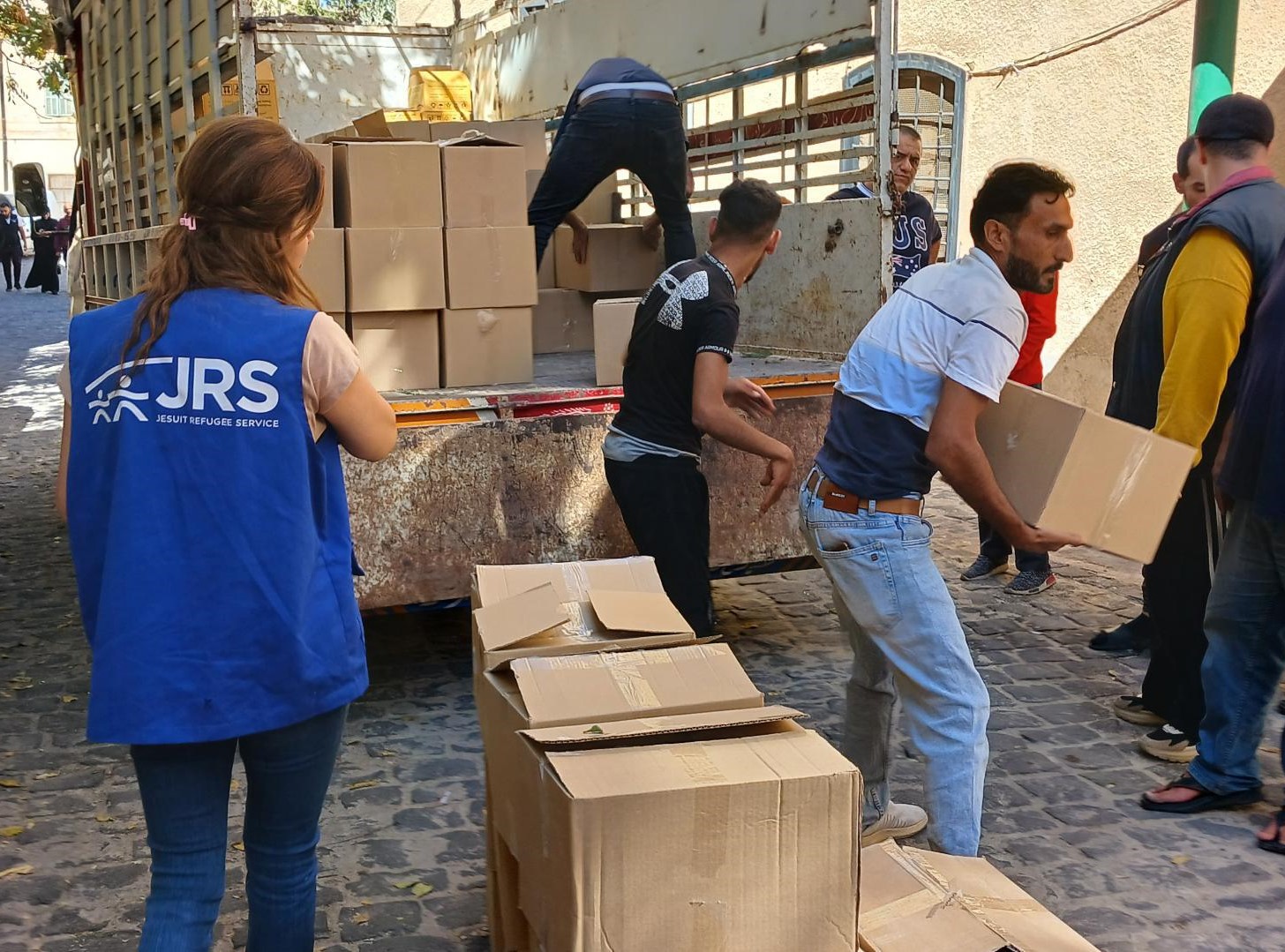
- Emergency assistance and basic needs support
- Livelihoods and income-generating activities
- Protection and community-based support
Refugee Community Centers (RCCs)
JRS Ethiopia operates Refugee Community Centres—safe, community-based spaces where refugees can access education, psychosocial support, vocational training, and social connection. These centres play a critical role in fostering resilience and strengthening relationships between refugee and host communities.
Urban and Camp-Based Support
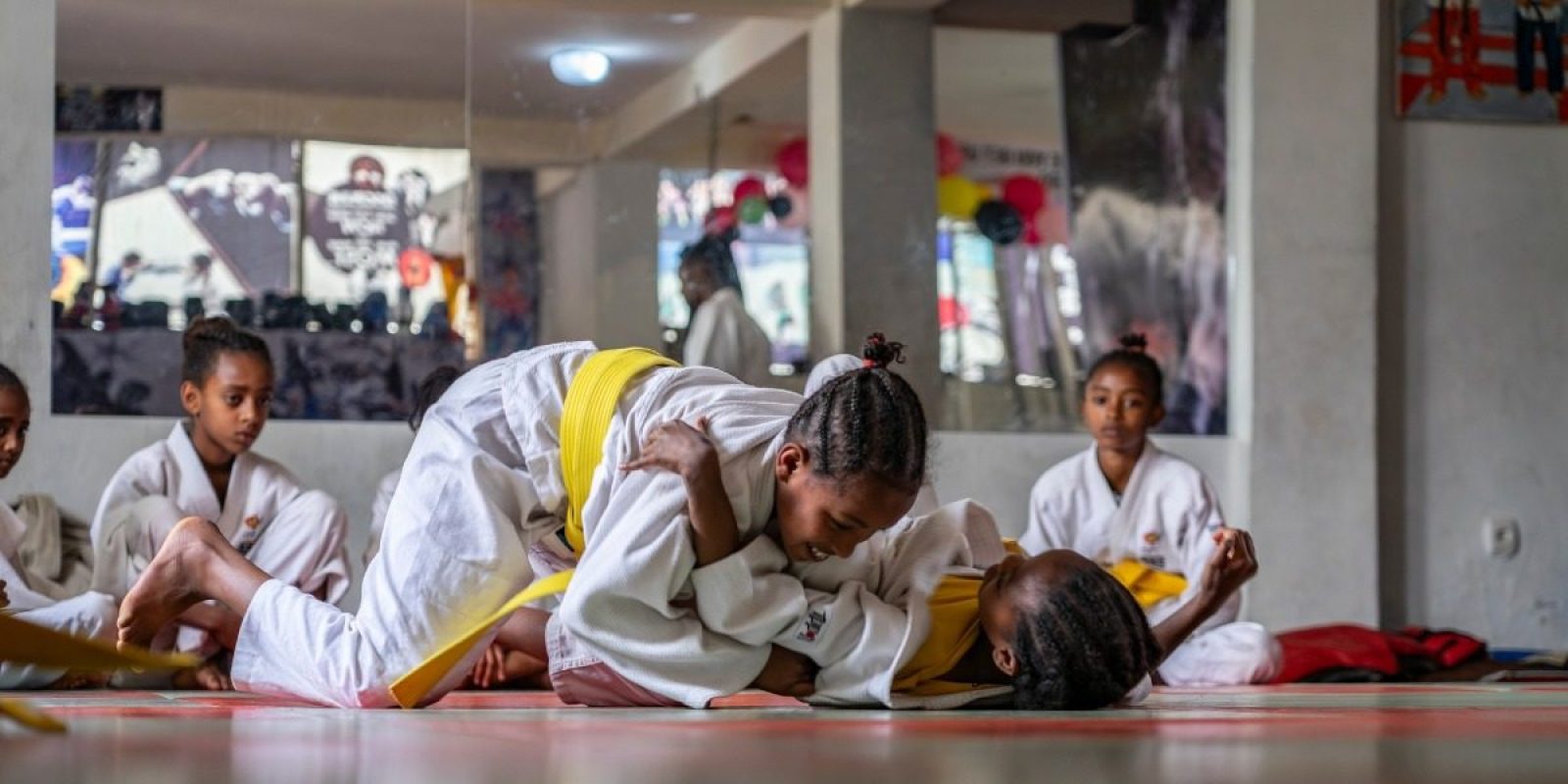
Programs are delivered across both refugee camps and urban areas, ensuring that support reaches individuals regardless of where they are located. This includes education, recreational activities, and skill-building initiatives designed to promote long-term stability.
Today’s Challenges
1. Large and growing refugee population
Ethiopia continues to receive refugees from neighboring countries experiencing conflict, placing pressure on already limited resources and infrastructure.
2. Barriers to education and employment
Many refugees face restricted access to formal education and limited livelihood opportunities, making it difficult to achieve self-reliance.
3. Ongoing humanitarian needs
Refugees require continued access to food, shelter, psychosocial support, and protection services to navigate daily challenges and recover from trauma.
Critical Needs
Many refugees in Ethiopia face ongoing challenges accessing basic services, including education, mental health care, and stable sources of income. These needs are especially urgent for children, youth, and individuals who have experienced prolonged displacement.
Programs that combine education, psychosocial support, and livelihood training are essential to helping refugees rebuild stability and independence.
Refugee and Community Involvement
JRS Ethiopia works alongside refugees to design and deliver programs that reflect community needs and priorities.
- Refugees participate in education, vocational training, and community activities
- Community centres foster connection between refugees and host communities
- Programs promote inclusion, resilience, and social cohesion
Localizing Aid and Building Resilience
JRS Ethiopia prioritizes community-based approaches that empower refugees to build skills, strengthen relationships, and contribute to their communities. Through education, livelihoods, and psychosocial support, JRS helps individuals move toward greater self-reliance and stability.
Impact of Funding Gaps
As humanitarian needs grow, funding constraints limit the ability to scale essential services. Reductions in support can directly impact access to education, mental health services, and livelihood opportunities for refugees.
Sustained investment is critical to ensure that refugees can continue to access the programs they need to rebuild their lives.
Frequently Asked Questions
How does JRS help refugees in Ethiopia?
JRS provides education, psychosocial support, emergency assistance, livelihoods training, and protection services for refugees in both camps and urban areas.
Why are there so many refugees in Ethiopia?
Ethiopia hosts refugees fleeing conflict and instability in neighboring countries such as South Sudan, Somalia, Eritrea, and Sudan.
What are Refugee Community Centres?
Refugee Community Centres are safe spaces where refugees access education, vocational training, psychosocial support, and community activities.
Who does JRS serve in Ethiopia?
JRS serves refugees, asylum seekers, and vulnerable host communities across Ethiopia, both in camps and urban settings.
Stories
Contact