Chad
Refugees in Chad: How Jesuit Refugee Service Responds
Chad hosts over one million refugees, many displaced by conflict in neighboring countries and living in prolonged humanitarian conditions. Jesuit Refugee Service (JRS) accompanies refugees and internally displaced people through education, livelihoods, and community-based programs that promote resilience and long-term opportunity.
Support Refugees in Chad
View Full Country Report
Visit JRS Chad
Quick Facts
- Serving 285,670 individuals
- Refugees from Cameroon, Sudan, Central African Republic, Nigeria, and Chad
- More than 90% of staff are local to Chad
- Approximately 80% of programs are focused on education
- Operations in N’Djamena, Abeche, Iriba, Guereda, Farchana, and Goz Beïda
Our work in Chad
Chad has faced years of humanitarian, political, and economic instability, contributing to one of the largest refugee populations in the region. Many refugees have fled prolonged violence in neighboring countries and now live in conditions shaped by chronic underdevelopment and limited access to essential services.
Despite growing needs, a lack of sustained funding continues to limit the ability to expand education and livelihoods programs across the country.
How JRS Responds in Chad
JRS Chad delivers community-based programs focused primarily on education and long-term resilience.
Core Programs
- Education and literacy programs
- Child protection initiatives
- Livelihoods and economic inclusion programs
- Mental Health and Psychosocial Support (MHPSS)
- Sport for protection and youth engagement programs
Education-Focused Approach
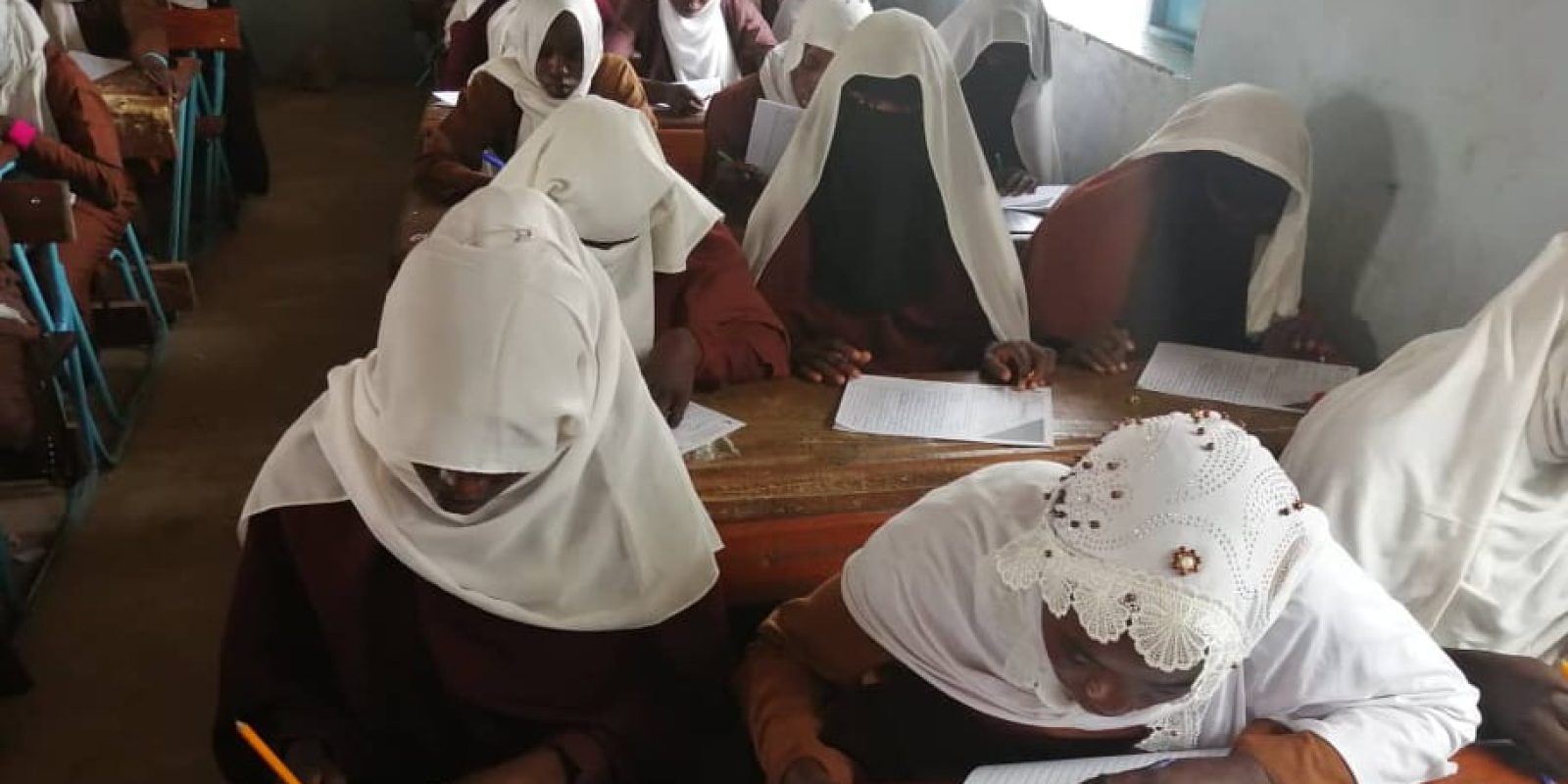
Education is at the center of JRS Chad’s work, representing approximately 80% of all programming. These efforts provide children and youth with access to learning, protection, and pathways toward long-term stability.
Today’s Challenges
1. Severe funding gaps
More than 800,000 people are in need of expanded livelihoods programming, but limited funding has restricted the ability to scale community-based support.
2. Limited staff capacity development
Opportunities for staff training and development are constrained, making it difficult to meet the growing needs of refugee populations.
3. Chronic underdevelopment
Systemic infrastructure challenges across the country limit opportunities for refugees and internally displaced people to access education and livelihoods.
Critical Needs and Impact of Funding Cuts
Education Access
More than 8,000 students who had been attending school through JRS were forced out of education due to recent funding cuts.
Mental Health Services
Funding reductions have created a major gap in mental health and psychosocial support services, which had previously been supported by international funding sources.
Livelihood Opportunities
There is a growing demand for integrated livelihoods programs that help displaced people achieve economic inclusion and self-reliance.
Refugee and Community Leadership
JRS Chad emphasizes the importance of local leadership and community-driven solutions.
- Over 90% of staff are from local communities
- Programs are designed and delivered in collaboration with refugees
- Community-based approaches promote sustainability and long-term impact
Localizing Aid and Building Resilience
JRS Chad prioritizes localization by employing local staff and working directly with refugee communities to design and implement programs. This approach ensures services are culturally relevant, sustainable, and responsive to evolving needs.
Stories of Impact
Tadjadine’s Story
Tadjadine fled violence in Sudan as a child and found refuge in Chad. Through JRS language programs, he developed skills that opened new opportunities, including working with the United Nations to share refugee stories.
He later founded a community center to support other refugees, creating opportunities for education and connection within his community.
“The efforts and services from JRS Chad are remarkable… I have received a lot of opportunities. Most people in my community do not get these same chances, but they deserve to.”
His story reflects the transformative impact of education and community-based support in building pathways to self-reliance.
Frequently Asked Questions
How does JRS help refugees in Chad?
JRS provides education, child protection, mental health support, livelihoods training, and youth programs for refugees and displaced communities.
Why are there so many refugees in Chad?
Chad hosts refugees fleeing prolonged violence and instability in neighboring countries such as Sudan, Cameroon, and the Central African Republic.
What makes JRS Chad unique?
JRS Chad is highly localized, with over 90% of staff from local communities and a strong focus on education-driven programming.
Where does JRS operate in Chad?
JRS operates in multiple locations including N’Djamena, Abeche, Iriba, Guereda, Farchana, and Goz Beïda.
See Our Work
Stories
Contact