Advocacy
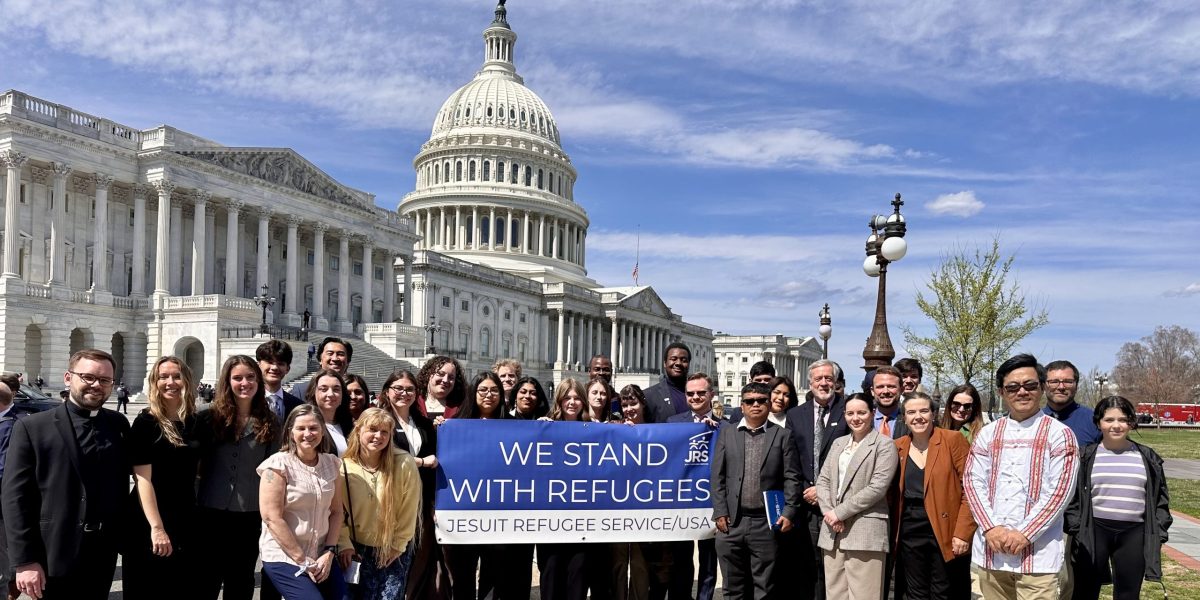
Jesuit Refugee Service/USA (JRS/USA) works to protect the rights and dignity of refugees and other forcibly displaced people through policy advocacy, public education, and community mobilization. Rooted in Catholic social teaching and the Jesuit mission to accompany, serve, and advocate, JRS works with policymakers, faith communities, and international partners to advance humane refugee and immigration policies.
Through advocacy, JRS/USA helps ensure that refugees receive fair and humane treatment, supports access to asylum and protection, and promotes policies that allow displaced people to rebuild their lives in safety and dignity.
Want to take action? Visit our central advocacy page to explore current campaigns, action alerts, and opportunities to raise your voice:
Explore JRS/USA Advocacy Initiatives.
Key Issues Impacting Refugees in the United States in 2026
Reduced Refugee Admissions
The United States set the FY 2026 refugee admissions ceiling at 7,500 people, the lowest level in the history of the U.S. Refugee Admissions Program. This reduction comes at a time when global displacement has reached record levels.
Restrictions on Access to Asylum
Many people seeking protection at the U.S.–Mexico border face increasingly complex barriers to asylum. Policy changes have made it more difficult for asylum seekers to present claims and access humanitarian protection.
Immigration Court Backlogs
More than 2 million asylum cases remain pending in U.S. immigration courts. These delays leave many refugees and asylum seekers waiting years for final decisions on their protection claims.
Expanded Immigration Detention
Recent policy changes have expanded the authority of immigration enforcement agencies to detain migrants and asylum seekers while their legal cases are pending.
Reduced Access to Public Assistance
Changes to eligibility rules for federal assistance programs may limit access to health coverage, housing support, and other essential services during the first years of resettlement.
Integration Challenges
Refugees rebuilding their lives in the United States often face barriers such as affordable housing shortages, employment challenges, and limited language services.
Quick Facts on Global Displacement (2026)
- 117.3 million people are forcibly displaced worldwide due to conflict, persecution, and violence.
- This includes approximately 42.5 million refugees, 67.8 million internally displaced people, and 6.8 million asylum seekers.
- Humanitarian agencies estimate that up to 136 million people could be displaced or stateless by the end of 2026.
- About 2.5 million refugees will need resettlement in 2026.
Through advocacy, JRS/USA helps ensure that refugees receive fair and humane treatment, supports access to asylum and protection, and promotes policies that allow displaced people to rebuild their lives in safety and dignity.
Want to take action? Visit our advocacy page to explore current campaigns, action alerts, and ways to raise your voice: Explore JRS/USA Advocacy Initiatives.
What Advocacy for Refugees Means
Advocacy is a core part of the JRS mission. Around the world and in the United States, JRS works to ensure that refugees are treated with dignity and that policies reflect humanitarian responsibility and respect for human rights.
Advocacy efforts focus on:
- Protecting the legal rights of refugees and asylum seekers
- Promoting access to education, health care, and livelihoods
- Ensuring humane immigration and asylum policies
- Encouraging international cooperation to address forced displacement
- Countering misinformation and discrimination toward refugees
These priorities are informed by the lived experiences of refugees served by JRS programs around the world.
How JRS Advocates for Refugees
Policy Advocacy in the United States
JRS/USA works with lawmakers, faith leaders, and partner organizations to promote policies that protect refugees and migrants.
Advocacy priorities often include:
- Preserving access to asylum
- Protecting humanitarian assistance programs
- Ensuring humane treatment of migrants in detention
- Strengthening refugee resettlement programs
- Supporting long-term solutions for displaced communities
Supporters can participate in advocacy through campaigns, action alerts, and policy education on our advocacy platform:
Take Action with JRS/USA Advocacy
Advocacy in Refugee Contexts
In many countries where JRS operates, staff advocate directly for refugees whose rights are threatened. This may involve supporting legal protection for asylum seekers, advocating for education access, engaging governments on refugee integration policies, and addressing discrimination or barriers to employment.
International Advocacy
JRS also engages at regional and international levels, including dialogue with policymakers and global institutions working on refugee protection and humanitarian response.
Ways You Can Advocate for Refugees
Advocacy is most effective when communities come together to support policies that protect human dignity.
- Contact elected officials about refugee and immigration policy
- Participate in advocacy events or policy briefings
- Educate faith communities and local organizations about displacement
- Share refugee stories to build understanding and solidarity
- Support organizations working with displaced communities
To learn about current campaigns and opportunities to participate, visit the JRS advocacy page:
See Current Opportunities to Take Action with JRS/USA.
Why Advocacy Matters Today
Forced displacement has reached historic levels. More than 117 million people worldwide have been forced from their homes by war, violence, persecution, and climate-related crises. Humanitarian agencies expect this number to continue rising in the coming years.
Advocacy plays an essential role in addressing the root causes of displacement, strengthening international protection systems, and ensuring that refugees are welcomed and supported in communities around the world.
Frequently Asked Questions About Advocacy
What is involved in advocating for refugees?
Refugee advocacy involves promoting laws, policies, and public understanding that protect refugees and people seeking asylum. Jesuit Refugee Service/USA works with policymakers, faith communities, and partners to support humane refugee and immigration policies.
How does JRS/USA advocate for refugees?
JRS/USA advocates through policy engagement, public education, action alerts, and collaboration with Catholic and humanitarian partners. This work helps protect access to asylum, humanitarian assistance, and long-term solutions for displaced people.
What issues does JRS/USA advocate for?
JRS/USA advocates for refugee protection, humane immigration policies, access to asylum, humanitarian funding, and policies that uphold the dignity and rights of forcibly displaced people in the United States and around the world.
How can I take action for refugees?
Individuals can take action by contacting elected officials, participating in advocacy campaigns, attending advocacy events, and helping their communities better understand displacement and refugee protection issues.
Where can I find current JRS/USA advocacy campaigns?
You can explore current campaigns, policy updates, and action opportunities on the JRS/USA Take Action page.
Why is advocacy important for refugees in 2026?
In 2026, refugees in the United States face major challenges including reduced refugee admissions, barriers to asylum, immigration court backlogs, detention policies, and integration challenges. Advocacy helps promote policies that protect human dignity and expand access to safety and stability.
Sources
- UNHCR Global Trends: Forced Displacement Worldwide
- UNHCR Figures at a Glance
- UNHCR Mid-Year Trends in Forced Displacement
- UNHCR Global Appeal 2026
- UNHCR Resettlement Data and Global Needs
Data referenced on this page is drawn from the United Nations High Commissioner for Refugees (UNHCR), the primary international authority tracking global forced displacement. UNHCR reporting indicates that more than 117 million people were forcibly displaced worldwide in 2025, with projections suggesting the number of displaced and stateless people could reach approximately 136 million by 2026.
Program Stories