Rising Above the Floods: How Giving Tuesday Helped Taraba State’s Refugee Communities Rebuild and Prepare
07 August 2025
Taraba State, named for the river that runs through this region of Nigeria, is rich with ethnic diversity and geography. More than seventy languages are spoken among those living within the border that also hosts plains, mountains, and the Mambilla Plateau.
The State is also the temporary home to approximately 20,000 refugees, primarily women, children, and people living with disabilities, who have fled intense armed conflict and economic hardship in Cameroon.
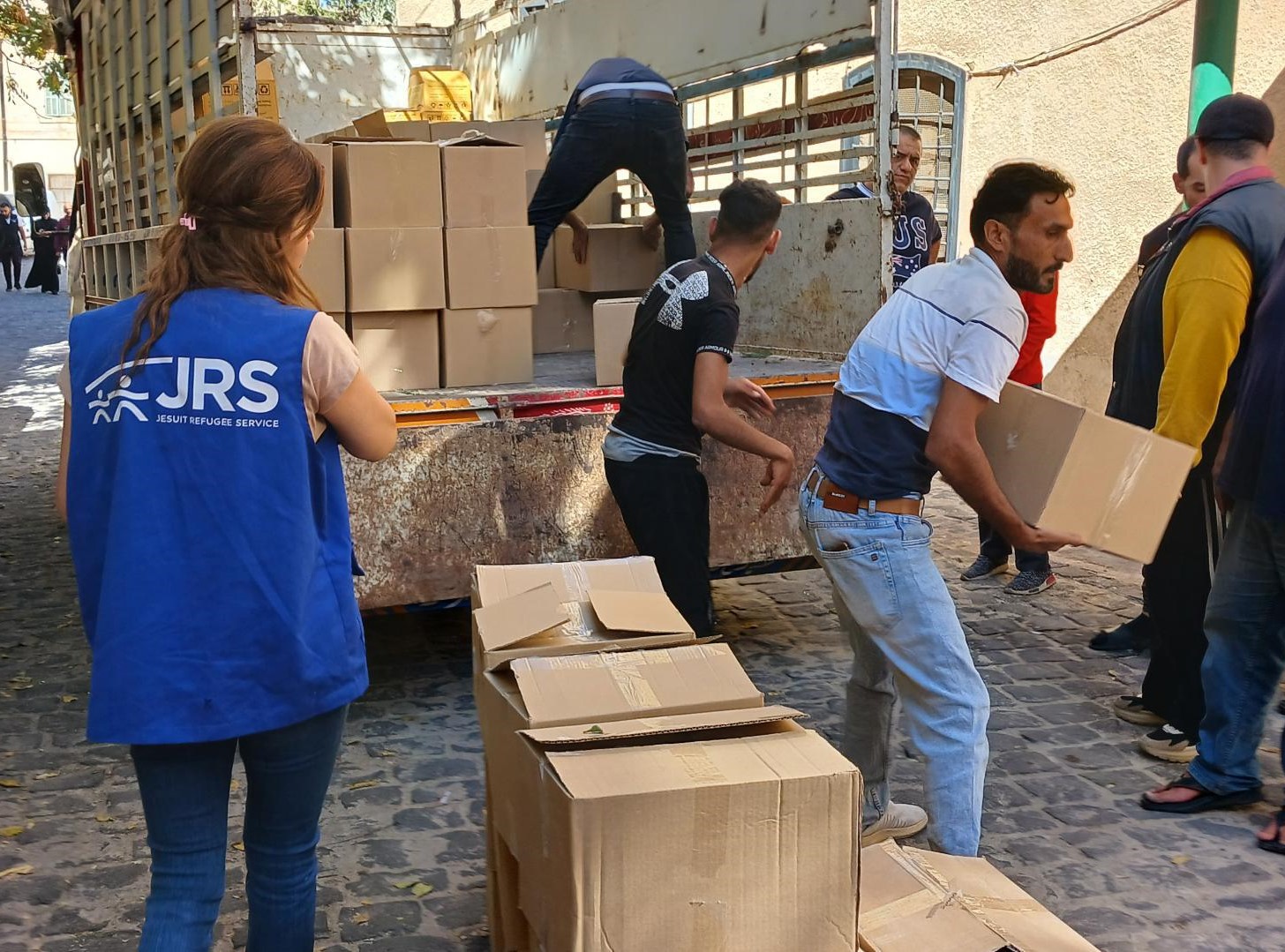
In the Local Government Areas (LGA) of Takum and Ussa, JRS walks with refugee and host communities, providing emergency assistance, education, and mental health and psychosocial support. But when devastating floods tore through these communities in late 2024, the JRS team had to reroute programming.
The floods upended refugee and host communities’ homes, sanitation systems, and water sources.
 This is where JRS/USA stepped in. On Giving Tuesday 2024, our community rallied to raise more than $40,000, enabling the JRS Nigeria team to launch the “Emergency Relief Aid to Flood-Affected Communities” project, a multi-level plan to address the immediate and long-term impacts of climate change and recurring flooding.
The repeated flooding puts already vulnerable refugee communities in further danger. As is well documented, communities least responsible for contributing to climate-warming emissions are disproportionately harmed by resulting weather patterns. This is especially true in refugee communities.
JRS Nigeria’s intervention focused on three key areas: improving hygiene and sanitation, providing emergency relief and livelihood support, and strengthening community resilience through education and preparedness activities.
JRS identified 30 leaders, both men and women, in the host and refugee communities and provided training workshops in disaster risk reduction and flood preparedness. They learned how to use practical tools and spot early warning signs of climate-related threats.
Following this intensive, two-day workshop, the participants led awareness sessions for the rest of the refugee and host communities, disseminating key information at the local level. 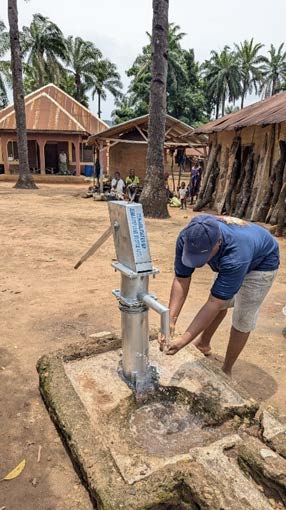
From there, the teams got to work repairing five boreholes and hand that had served as critical water sources for both vulnerable host community members and refugees. Before these repairs, community members were forced to rely on alternative, distant sources that posed significant health and safety risks.
This project also equipped more than 400 members of the host and refugee communities with the farming tools they need to support themselves and their families. Tools included fertilizer, boots, gardening gloves, cutlasses, hoes, and herbicides.
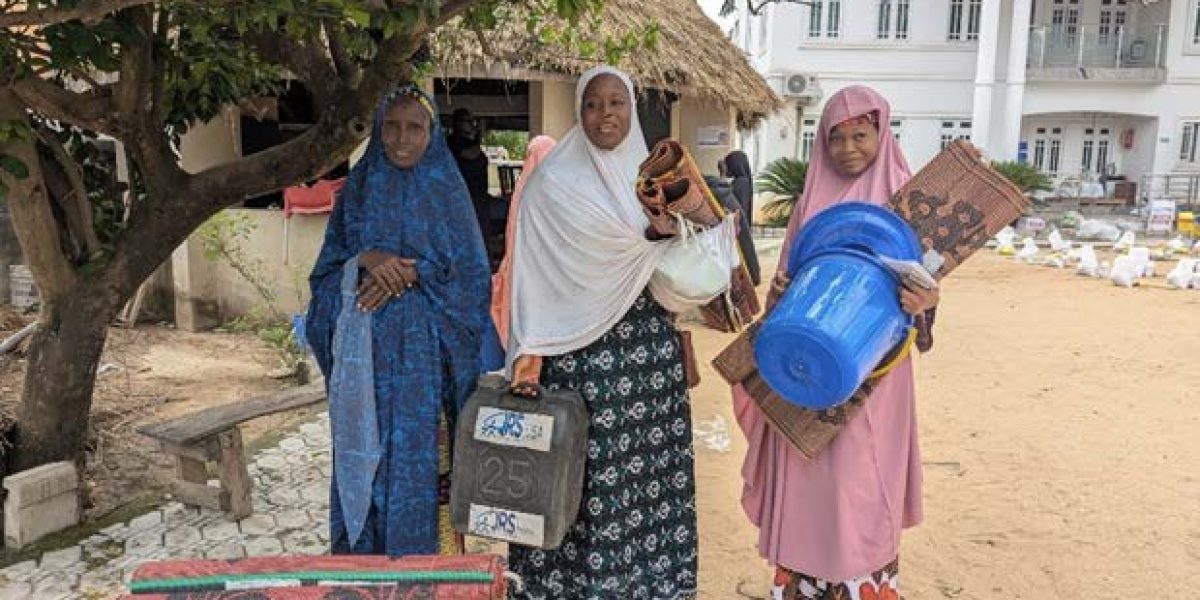
In another component of this project, more than 600 refugee community members received kits which included shelter items, buckets, cups, mats, blankets, and mosquito nets. And throughout every workshop and community awareness session, JRS ensured women and girls, as key members of and leaders in their communities, were included. By drawing participants from the displaced population as well as the host community, cohesion, understanding, and collaboration grew between the two groups as they worked towards taking care of their common home. Sessions were tailored to be inclusive, participatory, and locally relevant, helping communities understand their roles in mitigating disaster risks and improving resilience.
By empowering the community – core to JRS’ localized approach – the tools, structures, and systems participants learned will continue helping the community long after the project concludes.
“These changes created a lasting positive impact on both basic needs and sustainable development within the targeted communities,” the JRS Nigeria team reported.
Such a successful program would not have been possible without the generosity of our JRS/USA community. We express our sincerest gratitude to everyone who contributed, creating this lasting impact.
Explore more