Protection
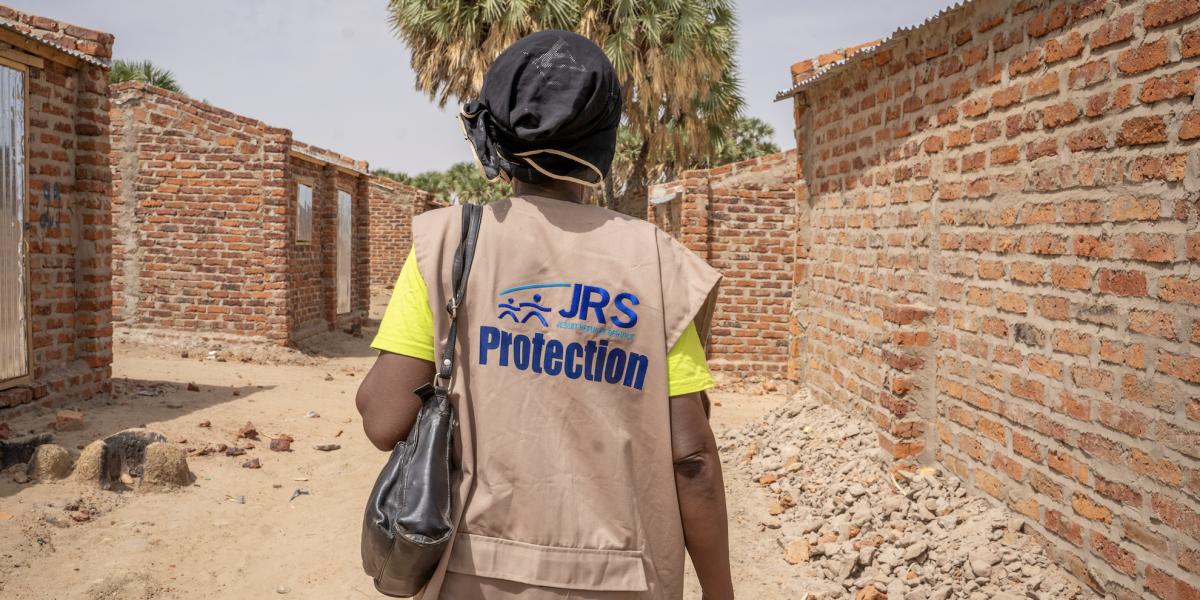
Protection helps ensure that refugees and other forcibly displaced people are safe, informed, and able to exercise their rights. JRS/USA supports protection by accompanying people facing displacement, advocating for humane treatment, and strengthening programs that help children, women, families, and other at-risk communities access safety, legal support, and dignified care. Around the world, protection can include child safeguarding, legal assistance, survivor support, community-based safety measures, and emergency response in situations of conflict, forced migration, and instability.
Quick Facts About Protection
- Protection refers to efforts that help keep forcibly displaced people safe, uphold their rights, and reduce risks such as violence, exploitation, detention, family separation, and exclusion from services.
- Protection can include child safeguarding, legal support, documentation assistance, survivor support, referrals, and community-based safety measures.
- Children, women, older adults, people with disabilities, and those traveling alone often face heightened protection concerns during displacement.
- Protection is not only about responding after harm occurs. It also includes prevention, community support, and helping people access information and services safely.
- Protection is closely connected to education, health care, emergency assistance, and advocacy.
Why Protection Matters
For people forced to flee their homes, safety cannot be taken for granted. Displacement often exposes families to violence, exploitation, detention, family separation, discrimination, loss of documentation, and barriers to basic services. Children, women, older adults, people with disabilities, and those traveling alone may face even greater risk.
Protection matters because it helps safeguard human dignity and human rights during every stage of displacement. It can mean helping a child stay safe, ensuring a family understands its legal options, supporting survivors of violence, or responding quickly when people are newly displaced and in urgent need. Without protection, access to education, health care, livelihoods, and long-term stability becomes far more difficult.
What JRS/USA Means by Protection
At JRS/USA, protection is about helping forcibly displaced people live in greater safety, dignity, and hope. It includes efforts that reduce harm, defend rights, and strengthen the ability of individuals and communities to respond to risk.
This work is rooted in accompaniment. JRS begins by listening closely to displaced people and responding to the realities they face in camps, urban settings, border regions, host communities, detention settings, and emergency contexts. Protection is not only about responding after harm occurs. It is also about preventing abuse, strengthening community support systems, improving access to information and legal pathways, and helping ensure that humanitarian response respects the full dignity of each person.
How JRS Supports Protection
JRS supports protection through rights-based, community-centered programs that respond to immediate risks while helping build safer conditions over time. Depending on the context, this can include legal orientation, case management, referrals, child protection services, safe spaces, psychosocial support, survivor-centered responses, and emergency assistance.
Because protection risks vary by place and circumstance, JRS works at the local level with communities, families, local partners, faith communities, and service providers. This proximity helps identify what people need most and how support can be delivered in ways that are practical, culturally appropriate, and grounded in dignity. JRS also recognizes that effective protection must take age, gender, and other dimensions of diversity into account so that people are not excluded from support or placed at greater risk.
Key Areas of Protection Work
Child Protection
Displacement can expose children and adolescents to abuse, trafficking, exploitation, neglect, family separation, interrupted schooling, and recruitment by armed actors. JRS works with families, communities, schools, and local partners to help create safer environments for children and young people.
This can include identifying children at risk, supporting unaccompanied or separated children, strengthening family and community care systems, providing psychosocial support, and offering activities that help children regain stability and a sense of safety.
Legal Assistance and Documentation Support
Many displaced people face serious risks because they lack documentation or do not understand the legal systems around them. JRS protection teams may help people understand their rights, access legal information, navigate asylum procedures, renew documents, and reduce the risk of detention, exploitation, or exclusion from services.
Legal support is especially important for asylum seekers, refugees, and stateless people whose safety and future may depend on lawful status or documentation.
Gender-Based Violence Risk Mitigation and Survivor Support
Women, girls, men, and boys can face heightened risks of gender-based violence during displacement. JRS works to help reduce those risks through awareness, referrals, safe spaces, community-based prevention, and services that center the dignity and needs of survivors.
Protection efforts may also include training, case support, and coordination with health, legal, and psychosocial service providers.
Community-Based and Emergency Protection
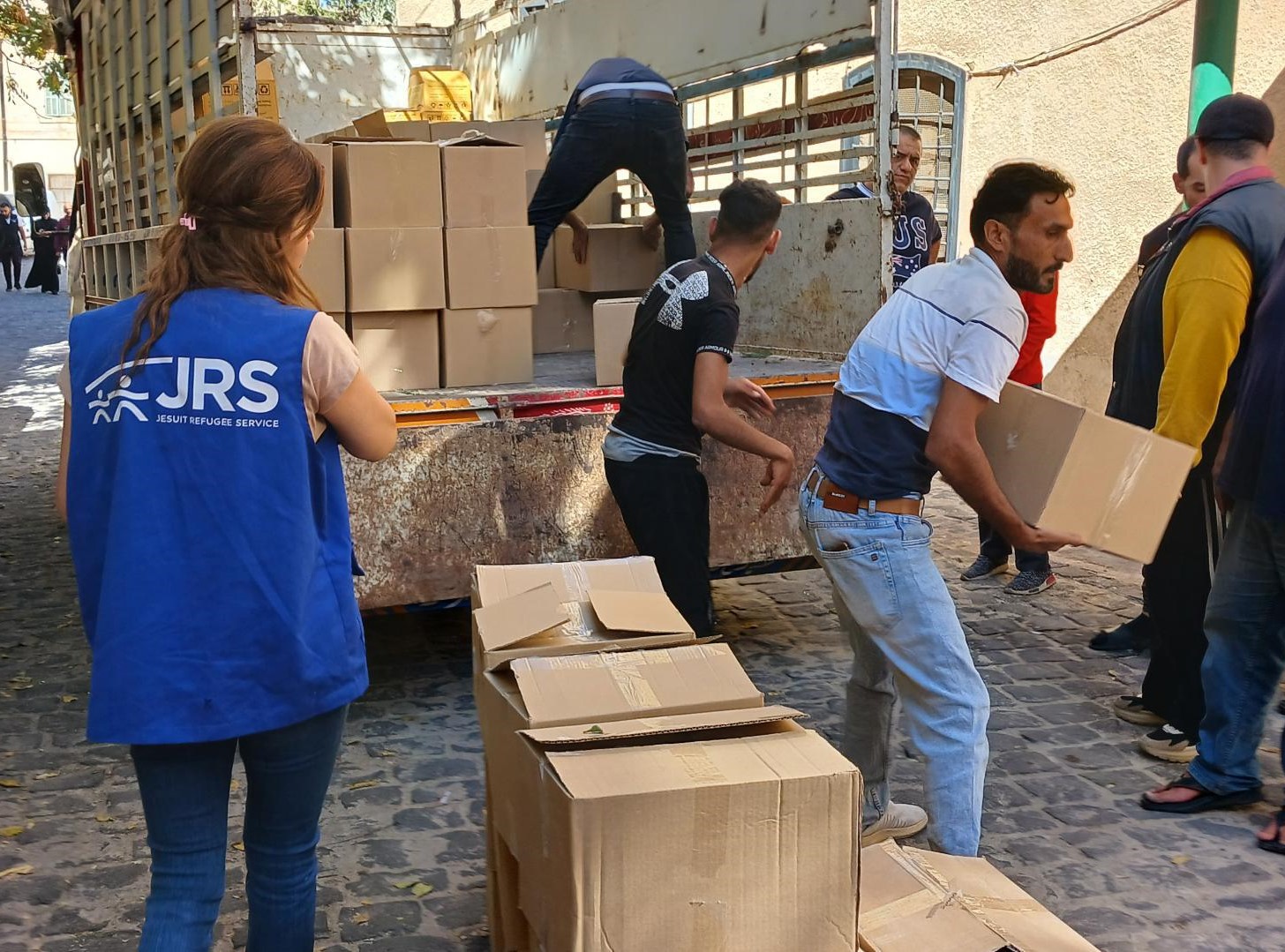
In emergency settings, people may need immediate support to survive and stay safe. JRS responds in crisis situations with practical assistance such as shelter, water, sanitation, essential items, and other forms of support that reduce exposure to harm.
Protection in emergencies also means identifying urgent risks early, supporting women and children who may be especially vulnerable, and helping communities strengthen their own capacity to keep people safe during periods of instability and displacement.
Related Programs
Protection is closely connected to other areas of JRS/USA’s work that help displaced people rebuild their lives in safety and dignity.
Education
Education can provide structure, stability, and safer environments for children and young people affected by displacement.
Health Care
Protection and health care are closely linked, especially for people facing trauma, injury, chronic illness, or barriers to services.
Emergency Assistance
In crisis settings, emergency assistance helps reduce immediate threats by meeting urgent needs such as shelter, water, and essential supplies.
Reconciliation
Protection also includes helping people rebuild trust, strengthen communities, and recover dignity after conflict and displacement.
Advocacy
Advocacy helps advance humane policies and defend the rights of refugees, asylum seekers, and other displaced people.
Frequently Asked Questions About Protection
What does protection mean for refugees and displaced people?
Protection means helping refugees and other forcibly displaced people stay safe, access their rights, and reduce the risks they face during displacement. This can include legal support, child safeguarding, survivor support, referrals, documentation assistance, emergency response, and community-based safety measures.
Why is protection important in humanitarian response?
Protection is essential because people forced to flee often face violence, detention, exploitation, family separation, and barriers to services. When protection is weak, people are more likely to experience further harm and less likely to access education, health care, or long-term stability.
How does JRS support protection?
JRS supports protection by accompanying forcibly displaced people, identifying risks, connecting people to services, providing legal and psychosocial support, strengthening child protection, responding in emergencies, and working with communities to create safer conditions. Activities vary by country and context.
What kinds of protection services does JRS provide?
Depending on the local context, JRS protection work can include child protection, legal orientation and assistance, documentation support, gender-based violence risk mitigation, psychosocial support, referrals, detention-related support, and emergency assistance that helps reduce exposure to harm.
Who is most at risk during displacement?
Risk can affect anyone forced to flee, but children, women, survivors of violence, older adults, people with disabilities, people without documents, and those traveling alone often face heightened protection concerns.
Is protection only about legal status?
No. Legal status and documentation are important, but protection is broader. It also includes physical safety, emotional well-being, family unity, access to services, freedom from violence, and the ability to participate in community life with dignity.
Sources
Program Stories
JRS INSIDER | “Here am I. Send me.”
06 October 2026

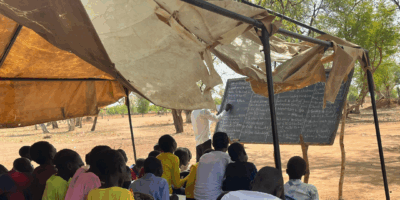
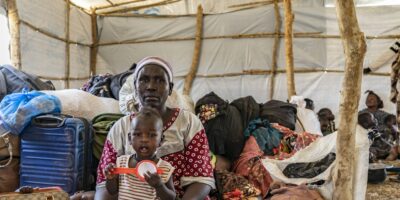
JRS is a Lifeline for Learning in South Sudan
29 May 2026
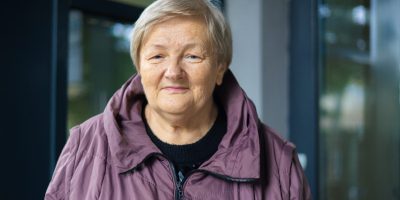
Helping Older Ukrainians Rebuild Their Lives in Romania
22 September 2025
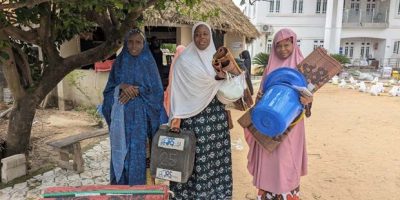
Rising Above the Floods: How Giving Tuesday Helped Taraba State’s Refugee Communities Rebuild and Prepare
07 August 2025
JRS India and State PRM: Empowering Communities in Northeast India through Education and Psychosocial Support
08 January 2025
JRS INSIDER: How a Musical Transformed Refugee Communities in Jordan
06 December 2024