South Sudan
Refugees in South Sudan: How Jesuit Refugee Service Responds
South Sudan faces one of the world’s most complex displacement crises, with ongoing conflict, food insecurity, and economic instability affecting millions. Jesuit Refugee Service (JRS) accompanies refugees and internally displaced people through education, mental health support, emergency assistance, and livelihood programs that promote stability and dignity.
Support Refugees in South Sudan
View Full Country Report
Explore JRS South Sudan
Quick Facts
- JRS operates in key regions including Maban, Yambio, and Juba
- Supports refugees, internally displaced people (IDPs), and host communities
- Core focus areas include education, mental health, livelihoods, and emergency assistance
- Programs serve children, youth, and families affected by conflict and displacement
OUR WORK IN South Sudan
Years of conflict, economic instability, and climate-related shocks have led to widespread displacement across South Sudan. Millions of people have been forced from their homes, while many others have returned from neighboring countries only to face limited resources and ongoing insecurity.
Recent influxes of refugees fleeing violence in Sudan have further strained already limited services, increasing pressure on food systems, health care, and local infrastructure.
How JRS Responds in South Sudan
JRS South Sudan provides integrated support that addresses both immediate humanitarian needs and long-term resilience.
Core Programs
- Education and teacher training
- Mental Health and Psychosocial Support (MHPSS)
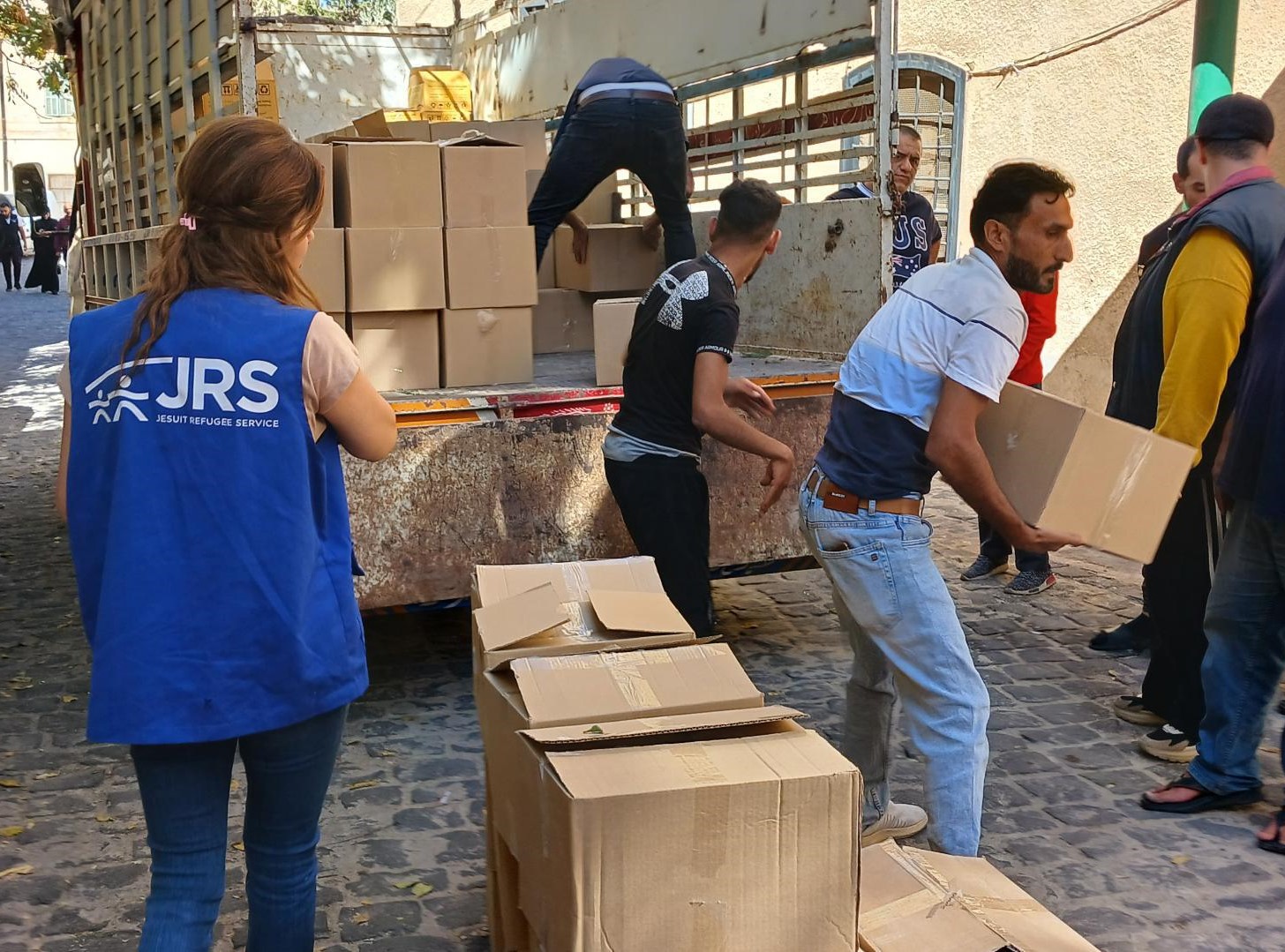
- Emergency assistance and basic needs support
- Livelihoods and economic inclusion programs
- Community-based reconciliation and peacebuilding
Education and Child Support
JRS provides access to early childhood development, primary education, and temporary learning spaces for displaced children. These programs help children continue learning despite displacement and instability.
Livelihoods and Skills Training
Livelihood programs equip refugees and displaced people with practical skills, helping them generate income and support their families in challenging conditions.
Today’s Challenges
1. Ongoing conflict and displacement
Continued instability and regional conflict have forced large numbers of people to flee their homes, increasing pressure on already limited resources.
2. Food insecurity and economic crisis
Many families face severe food shortages, rising costs, and reduced access to income-generating opportunities.
3. Limited access to education and services
Children and youth often lack consistent access to schooling, while communities struggle to access health care, mental health support, and safe infrastructure.
Critical Needs
Communities across South Sudan face urgent humanitarian needs, including access to food, education, and health care. Many children attend school without meals, which directly impacts their ability to learn and thrive.
At the same time, limited access to mental health services leaves many individuals without support to process trauma caused by conflict and displacement.
Refugee and Community Involvement
JRS works closely with refugee and host communities to ensure programs are locally informed and sustainable.
- Community members help lead education and support programs
- Local teachers and facilitators are trained to deliver services
- Refugees and displaced people contribute to strengthening community resilience
This approach ensures that programs are rooted in lived experience and respond directly to community needs.
Localizing Aid and Building Resilience
JRS South Sudan prioritizes local engagement and long-term resilience by working alongside communities to identify needs and design effective responses. Programs focus on strengthening education systems, supporting livelihoods, and promoting peacebuilding in areas affected by conflict.
Impact of Funding Cuts
Reduced international funding has placed additional strain on humanitarian programs in South Sudan. Cuts to essential services limit access to education, food support, and mental health care for already vulnerable populations.
Without sustained support, many families risk losing access to the resources they need to survive and rebuild their lives.
Frequently Asked Questions
How does JRS help refugees in South Sudan?
JRS provides education, mental health support, emergency assistance, and livelihood programs to support refugees and internally displaced people.
Why is South Sudan facing a refugee crisis?
Ongoing conflict, economic instability, climate shocks, and regional displacement have contributed to widespread humanitarian needs and displacement.
What programs does JRS run in South Sudan?
JRS runs programs focused on education, psychosocial support, livelihoods, emergency assistance, and community-based peacebuilding.
Who does JRS serve in South Sudan?
JRS serves refugees, internally displaced people, returnees, and vulnerable host communities affected by conflict and instability.
See Our Work
Stories

Contact