Reconciliation
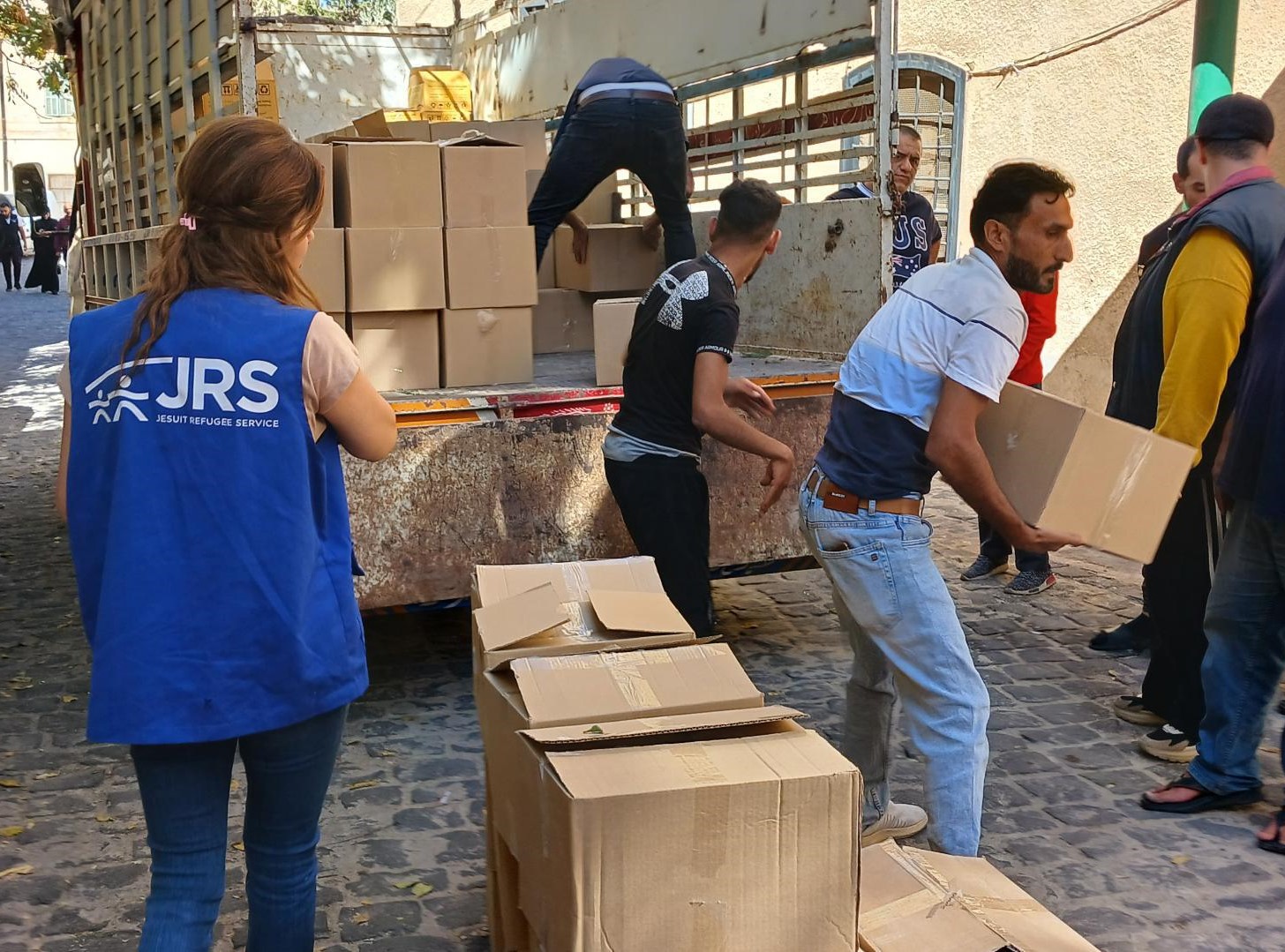
Jesuit Refugee Service (JRS) reconciliation programs help rebuild trust and strengthen relationships between refugees, host communities, and diverse cultural or religious groups. Through dialogue, community engagement, youth leadership, and peacebuilding activities, JRS works to address the divisions created by conflict and forced displacement.
Forced displacement is often rooted in violence, exclusion, and injustice, which can deepen divisions between people and communities. Many refugees flee conflict or persecution only to face marginalization or hostility in the places where they seek safety. Reconciliation initiatives help communities heal these wounds by rebuilding trust, addressing tensions fairly, and creating more inclusive environments where people from different backgrounds can live together peacefully.
JRS Reconciliation Programs: Quick Facts
- Program Focus: Peacebuilding and social cohesion for refugees and host communities
- Where Programs Operate: Refugee camps, host communities, and conflict-affected regions worldwide
- Core Activities: Community dialogue, interfaith engagement, youth initiatives, and peace education
- Goal: Build relationships of trust and cooperation among communities affected by displacement
Why Reconciliation Matters in Refugee Contexts
Many people forced to flee their homes have experienced violence, discrimination, and loss. Refugees may also encounter hostility or misunderstanding when they arrive in host communities. Reconciliation initiatives help address these tensions by encouraging dialogue, building trust, and creating opportunities for shared community life.
JRS understands reconciliation as a journey toward creating “right relationships” among refugees, host communities, and humanitarian actors. These efforts emphasize justice, dialogue, and respect across cultural and religious differences.
JRS’s Approach to Reconciliation
For JRS, reconciliation is understood as a journey toward creating “right relationships” — among refugees themselves, between refugees and host communities, and within the organizations and communities working alongside them.
This work begins by listening carefully to people’s experiences and understanding the tensions that affect daily life. By identifying both the causes of conflict and the opportunities for peace, reconciliation programs seek to transform relationships and strengthen communities affected by displacement.
These initiatives are rooted in dialogue, participation, and a shared recognition of human dignity across cultures, religions, and communities.
Principles Guiding JRS Reconciliation Work
JRS reconciliation programs are guided by several core principles that shape how communities engage in dialogue and peacebuilding:
- Recognizing shared humanity across cultural, religious, and national differences.
- Encouraging participation from refugees, host communities, and especially those whose voices are often unheard.
- Promoting justice that restores relationships and helps prevent future harm.
- Supporting healing and reflection at both the personal and community level.
Reconciliation is both a personal and collective process. It requires honesty, trust, and long-term commitment from individuals and communities working together to overcome division.
Social Cohesion and Displacement
Communities affected by displacement often face challenges such as:
- Distrust between refugees and host communities
- Cultural and religious differences
- Competition over limited resources
- Long-term trauma resulting from violence or conflict
Reconciliation initiatives address these challenges by creating spaces where people can meet, share experiences, and work together toward peaceful coexistence.
Building Social Cohesion in Displacement Settings
Reconciliation programs contribute to stronger social cohesion — the trust and solidarity that allow communities to function peacefully. In displacement contexts, strengthening relationships between refugees and host communities is essential for long-term stability.
Research shows that social cohesion can support improved physical and psychological well-being while reducing tensions between communities affected by displacement.
By creating spaces for dialogue, shared activities, and collaborative problem-solving, JRS helps communities rebuild relationships and develop stronger foundations for peaceful coexistence.
What JRS Reconciliation Programs Provide
JRS reconciliation programs support communities through initiatives that promote dialogue, understanding, and shared community life.
Community Dialogue and Peacebuilding
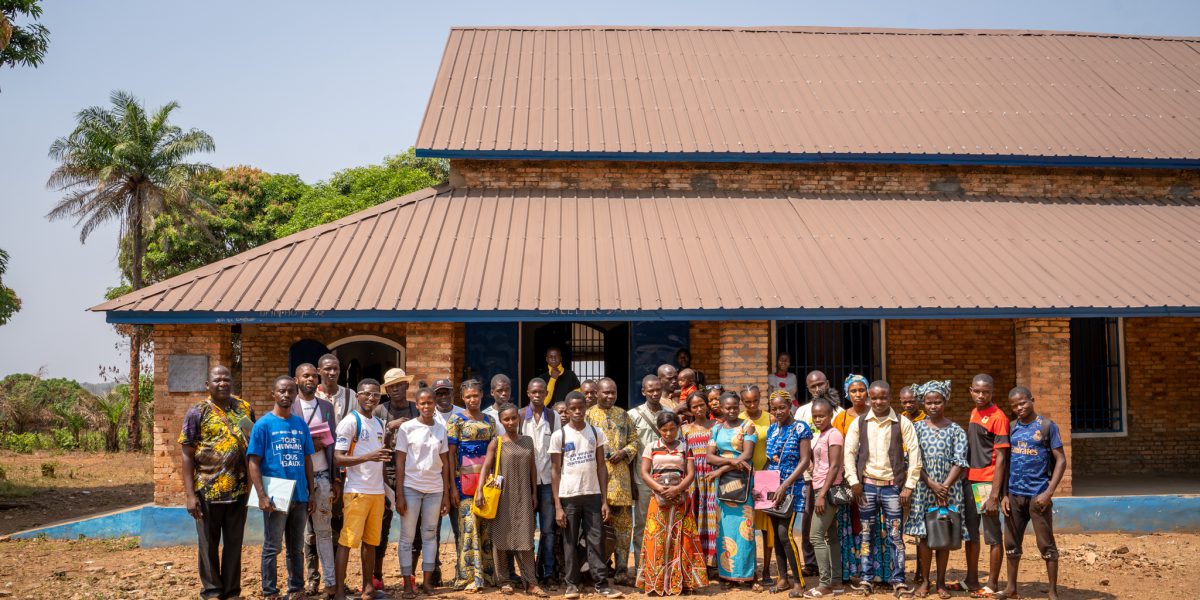
JRS facilitates dialogue sessions and community gatherings that bring together refugees and host communities to discuss shared challenges and explore pathways toward peaceful coexistence.
Youth Engagement and Education
Young people often play a central role in reconciliation efforts. Programs may include youth leadership activities, peace education, and collaborative projects that encourage cooperation across cultural and religious differences.
Interfaith and Cultural Exchange
In communities where people of different faiths live together, JRS helps facilitate interfaith dialogue and mutual understanding, recognizing the important role religion can play in strengthening resilience and shared values.
Community Events and Shared Activities
Festivals, cultural events, sports activities, and community projects create opportunities for refugees and host communities to build relationships and celebrate shared humanity.
How Reconciliation Supports Long-Term Stability
Reconciliation programs help lay the foundation for lasting peace and cooperation in communities affected by displacement. By strengthening relationships and encouraging collaboration, these initiatives support safer and more inclusive societies.
Reconciliation work also complements other humanitarian services, including education programs, livelihood initiatives, and mental health and psychosocial support programs.
Related JRS Programs
Reconciliation initiatives are closely connected with other JRS programs that support the well-being of refugees and host communities.
- Education Programs – Education initiatives help young people develop skills and build relationships across communities.
- Livelihood Programs – Economic opportunities help reduce tensions by supporting stability and shared prosperity.
- Mental Health and Psychosocial Support – Psychosocial care helps individuals and communities heal from trauma caused by conflict and displacement.
- Emergency Assistance – Humanitarian aid supports refugees during the earliest stages of crisis.
Where JRS Reconciliation Programs Operate
JRS reconciliation initiatives take place in regions around the world where refugees and host communities are working to rebuild trust and cooperation.
Common Questions About Reconciliation Programs
What is reconciliation in refugee contexts?
Reconciliation involves rebuilding relationships between communities affected by conflict or displacement through dialogue, trust-building, and cooperation.
Why are reconciliation programs important?
Reconciliation initiatives help address the long-term social impacts of conflict, reduce tensions between communities, and strengthen peaceful coexistence.
Frequently Asked Questions
What does reconciliation mean in JRS programs?
JRS understands reconciliation as a process of creating right relationships between refugees, host communities, and humanitarian actors through dialogue, cooperation, and shared values.
Where does JRS implement reconciliation programs?
Reconciliation initiatives operate in regions around the world where displacement has created social divisions or conflict between communities.
How do reconciliation programs help refugees?
Reconciliation programs create opportunities for refugees and host communities to build trust, address tensions, and develop stronger relationships.
Sources
- Jesuit Refugee Service Global Reconciliation Programs
- UNHCR: Promoting Social Connections – Guidance on strengthening social cohesion and relationships between refugees and host communities.
- Global Compact on Refugees: Peaceful Coexistence and Dialogue – Discussion of reconciliation and community dialogue initiatives supporting peaceful coexistence in displacement settings.
- UNHCR: Refugees and the Peacebuilding Process – Research examining how peace education and reconciliation initiatives support conflict resolution and long-term stability.
- UNHCR: Healing the Wounds – Refugees and Reconstruction – Analysis of reconciliation and peacebuilding in post-conflict societies affected by displacement.
Program Stories
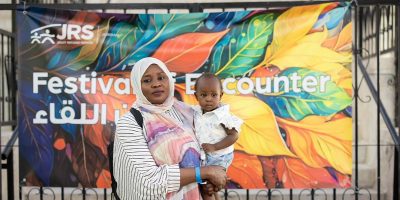
Celebrating the Festival of Encounter 2025
14 October 2025
Voices from Across the Globe: A unified call for social justice
20 February 2025
JRS India and State PRM: Empowering Communities in Northeast India through Education and Psychosocial Support
08 January 2025